
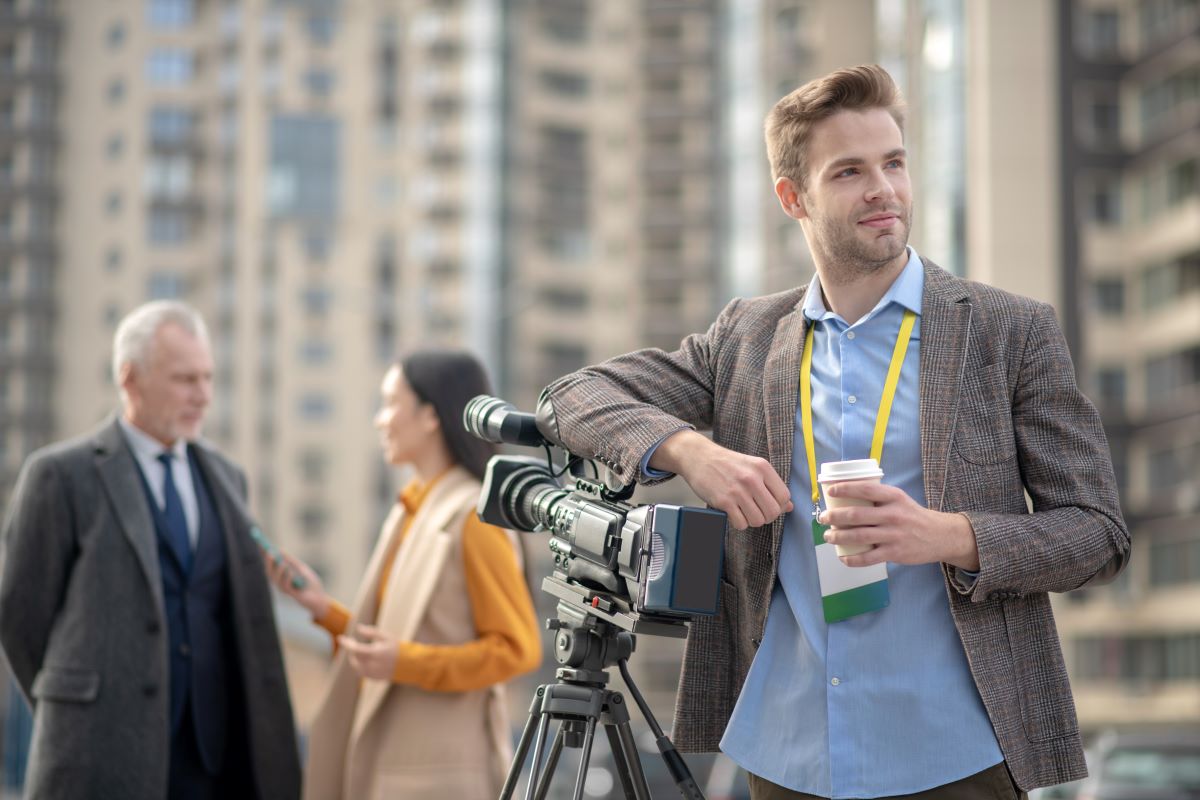
In today’s fast-evolving entertainment industry, Film Networking has expanded far beyond film festivals and studio mixers. As digital platforms, virtual communities, and AI-driven collaboration tools reshape how filmmakers connect, the concept of networking is being completely redefined.
Modern creators are building meaningful professional relationships online — sharing ideas, exchanging feedback, and even producing full-scale projects without ever meeting in person. This new wave of Film Networking has made the industry
The Evolution of Film Networking
In the past, networking in the film world largely depended on personal introductions, film school alumni circles, or industry events. Aspiring filmmakers had to physically attend conferences or screenings to meet producers, writers, or cinematographers.
However, the rise of digital tools has democratized the landscape. Online networking platforms, social media, and film collaboration websites have replaced traditional gatekeepers. Now, filmmakers from Mumbai to Madrid can find collaborators, pitch ideas, or share reels with a single click.
| Era | Networking Medium | Key Limitation |
|---|---|---|
| 1980s–1990s | Film festivals, industry parties | Geographical constraints |
| 2000s | Film schools, agencies, email lists | Limited access for independents |
| 2010s | Social media platforms (LinkedIn, Facebook) | Oversaturation and lack of niche focus |
| 2020s–present | Specialized Film Networking and collaboration tools | Enhanced global collaboration, AI matching |
more inclusive, accessible, and globally connected than ever before.
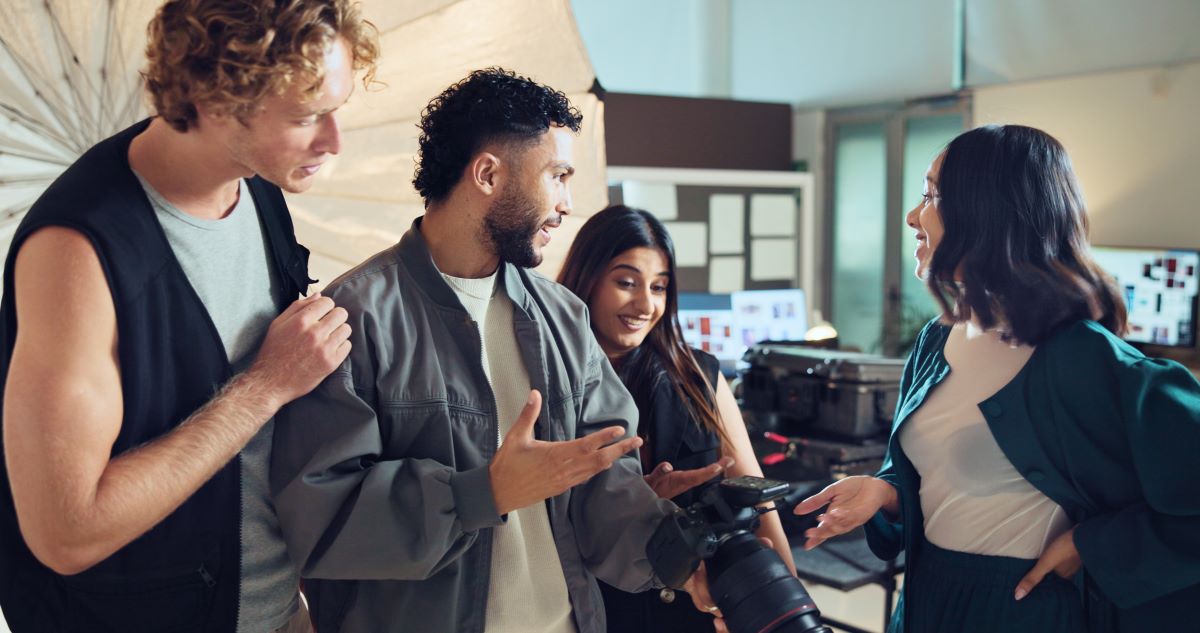
Digital Film Networking: Breaking Barriers
The new age of Film Networking thrives on inclusivity. Platforms like Stage 32, FilmFreeway, and The Dots have made it easier for filmmakers to meet like-minded professionals without needing to live in LA or New York.
These platforms don’t just host profiles — they act as virtual ecosystems for collaboration. Filmmakers can:
-
Showcase portfolios and demo reels
-
Join networking groups by niche or genre
-
Connect with investors, screenwriters, and editors
-
Receive mentorship from industry veterans
In addition, video conferencing tools like Zoom and AI-based matching platforms are further reducing networking friction. A screenwriter in Seoul can now pitch directly to a producer in Los Angeles — all in real time.
The Role of AI in Film Networking
Artificial intelligence is revolutionizing Film Networking by predicting collaboration compatibility and suggesting ideal partnerships. For example:
-
AI algorithms can match filmmakers based on past work, style, and genre preferences.
-
Automated recommendation systems suggest crew members or writers who align with a project’s vision.
-
Machine learning tools can analyze user interactions to identify potential mentors or investors.
This makes networking more efficient and meaningful — transforming cold introductions into curated creative partnerships.
Building Authentic Digital Connections
While technology facilitates introductions, successful Film Networking still depends on authenticity and mutual value. To stand out in digital spaces:
-
Showcase your passion clearly. A complete, visually engaging profile with links to your work speaks volumes.
-
Engage consistently. Comment on peers’ projects, share insights, and support others’ work.
-
Be specific. Instead of “looking to collaborate,” state what kind of projects or genres interest you.
-
Follow up professionally. Digital connections require nurturing — just like in-person relationships.
Film Networking Platforms Every Creator Should Know
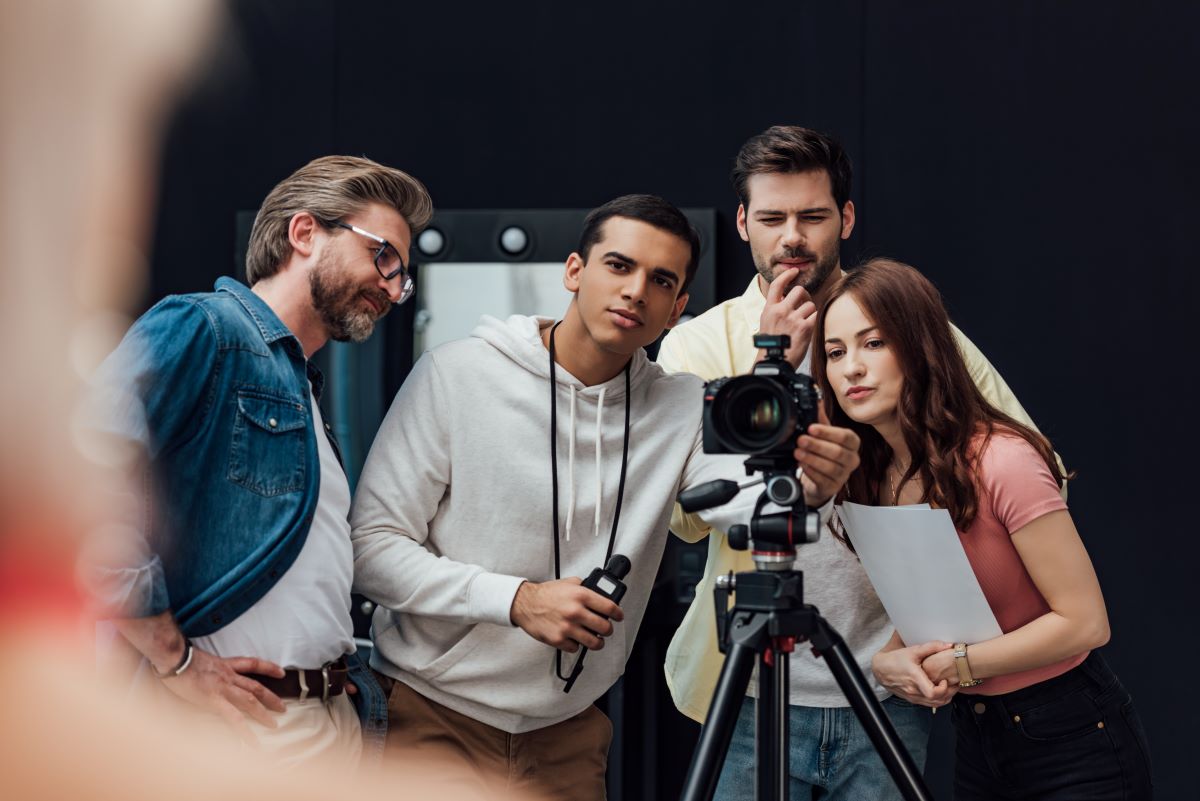
Here are some of the top platforms that power Film Networking today:
| Platform | Best For | Unique Feature |
|---|---|---|
| Stage 32 | Filmmakers & screenwriters | Global creative marketplace |
| Mandy Network | Production crew & actors | Verified job listings |
| ProductionHUB | Professionals & vendors | Comprehensive industry directory |
| The Dots | Creatives & visual artists | Portfolio-based networking |
| FilmFreeway | Filmmakers & festivals | Festival submissions + networking |
| FilmFuse | Creators & collaborators | Combines collaboration tools with creative profiles |
These tools have bridged the gap between traditional production houses and independent creators, turning Film Networking into a digital-first experience.
The Impact of Virtual Events on Film Networking
With the global shift toward remote work and online festivals, virtual networking events have become the norm. Platforms like Sundance Collab and TIFF Digital Sessions allow participants to attend panels, pitch competitions, and speed-networking sessions — all online.
This accessibility allows emerging filmmakers from underrepresented regions to gain visibility and build meaningful contacts, leveling the playing field for the global film community.
Social Media and Content-Based Networking
Beyond dedicated Film Networking platforms, social media plays a critical role in building digital reputations. YouTube, Instagram, and LinkedIn have become spaces where filmmakers can:
-
Share behind-the-scenes footage
-
Post short films or teaser trailers
-
Connect with brands or collaborators
-
Build personal brands through storytelling
A strong digital presence attracts opportunities organically, often leading to collaborations that start casually online but grow into professional partnerships.
Table: Benefits of Digital Film Networking
| Benefit | Description |
|---|---|
| Global Access | Connect with professionals worldwide instantly. |
| Cost-Effective | No travel or event costs. |
| Portfolio Visibility | Share work samples and achievements online. |
| Faster Collaboration | Use integrated communication and project tools. |
| Data Insights | Analytics to understand engagement and reach. |
| Inclusivity | Democratizes opportunities for filmmakers everywhere. |
The Future of Film Networking
The next phase of Film Networking will rely heavily on immersive technologies and blockchain-based identity verification. Virtual reality (VR) meetups, digital film studios, and NFT-backed portfolios could redefine how creators interact and protect intellectual property.
We’re moving toward a world where film networking is not limited by geography or status — but powered by creativity, technology, and shared passion for storytelling.
FAQs
Q1. What is Film Networking and why is it important?
Film Networking refers to the process of connecting filmmakers, writers, producers, and other professionals to collaborate on projects. It’s crucial for finding opportunities, funding, and creative partnerships in the film industry.
Q2. What are the best online platforms for Film Networking?
Platforms like Stage 32, Mandy Network, and ProductionHUB are among the most trusted. For creative collaboration powered by AI, visit FilmFuse.
Q3. Can Film Networking help independent filmmakers?
Yes, online Film Networking opens doors for indie filmmakers by connecting them with global collaborators, investors, and distribution partners.
Q4. How has AI changed Film Networking?
AI tools now match creatives based on interests, past work, and project needs — making collaboration faster and more accurate.
Q5. Are virtual networking events as effective as in-person ones?
Absolutely. Virtual events allow filmmakers to attend panels, meet producers, and pitch films to global audiences without travel barriers.
Q6. What role does social media play in Film Networking?
Platforms like Instagram and YouTube let filmmakers share content, grow audiences, and attract collaboration offers directly.
Q7. How can beginners start Film Networking online?
Start by joining film-specific communities, creating a portfolio, and engaging meaningfully in discussions. Consistency builds trust and visibility.
Q8. Where can I learn more about networking strategies in the film industry?
Check out resources from Stage 32 Learning Center, which offers excellent courses on Film Networking and career growth.
Leave a comment