
Introduction
The Filmmaking Process is a complex but rewarding journey that transforms a simple idea into a finished film ready for audiences. Whether you are creating a short film, documentary, commercial, or feature length production, understanding the Filmmaking Process step by step is essential for success.
Many beginners think filmmaking begins when the camera starts rolling, but in reality, the Filmmaking Process starts long before that moment. It begins with an idea and continues through planning, production, editing, and final delivery. Each stage builds upon the previous one, and skipping steps often leads to costly mistakes and creative frustration.
This comprehensive guide explains the Filmmaking Process from the earliest concept to the final cut. It breaks down each phase clearly, showing what happens, why it matters, and how professionals approach it. You will also find tables, workflows, and practical insights that make the Filmmaking Process easier to understand and apply.
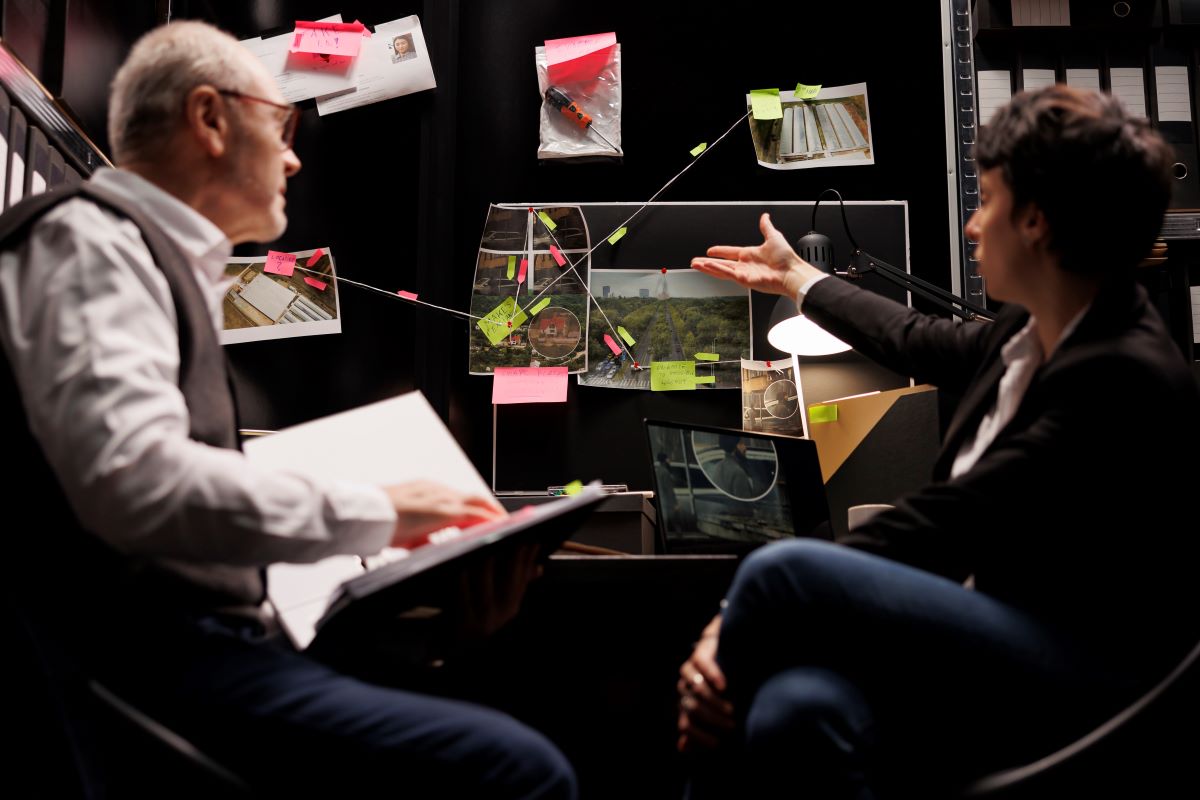
What Is the Filmmaking Process
The Filmmaking Process refers to the structured sequence of steps involved in creating a film. It ensures that creative ideas are organized, resources are managed efficiently, and the final product meets artistic and technical standards.
Core Stages of the Filmmaking Process
Idea development
Pre production planning
Production or filming
Post production editing
Distribution and release
Each stage of the Filmmaking Process has its own goals, challenges, and responsibilities.
Why Understanding the Filmmaking Process Is Important
A clear understanding of the Filmmaking Process helps filmmakers work more efficiently and avoid common problems.
Benefits of Following a Structured Process
Better time management
Stronger storytelling
Reduced production costs
Clear communication among team members
Higher quality final output
Skipping steps in the Filmmaking Process often results in rushed filming, poor sound, weak editing, and inconsistent storytelling.
Stage One Idea and Concept Development
Every film begins with an idea. This is the creative foundation of the entire Filmmaking Process.
Where Film Ideas Come From
Personal experiences
Books and articles
Real world events
Imagined stories
Client or brand requirements
At this stage, ideas are still flexible and open to exploration.
Shaping the Initial Concept
The idea must be refined into a clear concept that answers key questions.
What is the story about
Who is the audience
What is the message or theme
What type of film is it
This clarity is crucial before moving forward in the Filmmaking Process.

From Idea to Story Outline
Once a concept is chosen, it must be structured into a story outline.
What Is a Story Outline
A story outline is a simplified version of the narrative that shows the beginning, middle, and end of the film.
Purpose of the Story Outline
Defines story structure
Identifies key moments
Prevents plot confusion
Guides scriptwriting
Basic Story Structure Table
| Story Part | Description |
|---|---|
| Beginning | Introduces characters and setting |
| Middle | Develops conflict and tension |
| End | Resolves story |
Creating a strong outline strengthens the Filmmaking Process by giving direction to every later decision
Scriptwriting in the Filmmaking Process
Scriptwriting is one of the most important stages of the Filmmaking Process. The script is the blueprint of the film.
What a Script Includes
Dialogue
Scene descriptions
Character actions
Locations
Timing and pacing
Why the Script Matters
A strong script improves performances
It guides camera and lighting choices
It saves time during filming
It simplifies editing
Script Development Stages
First draft focusing on ideas
Revisions for structure and clarity
Polishing dialogue and pacing
Scriptwriting Table
| Draft Stage | Focus |
|---|---|
| First Draft | Story and concept |
| Second Draft | Structure and flow |
| Final Draft | Dialogue and detail |
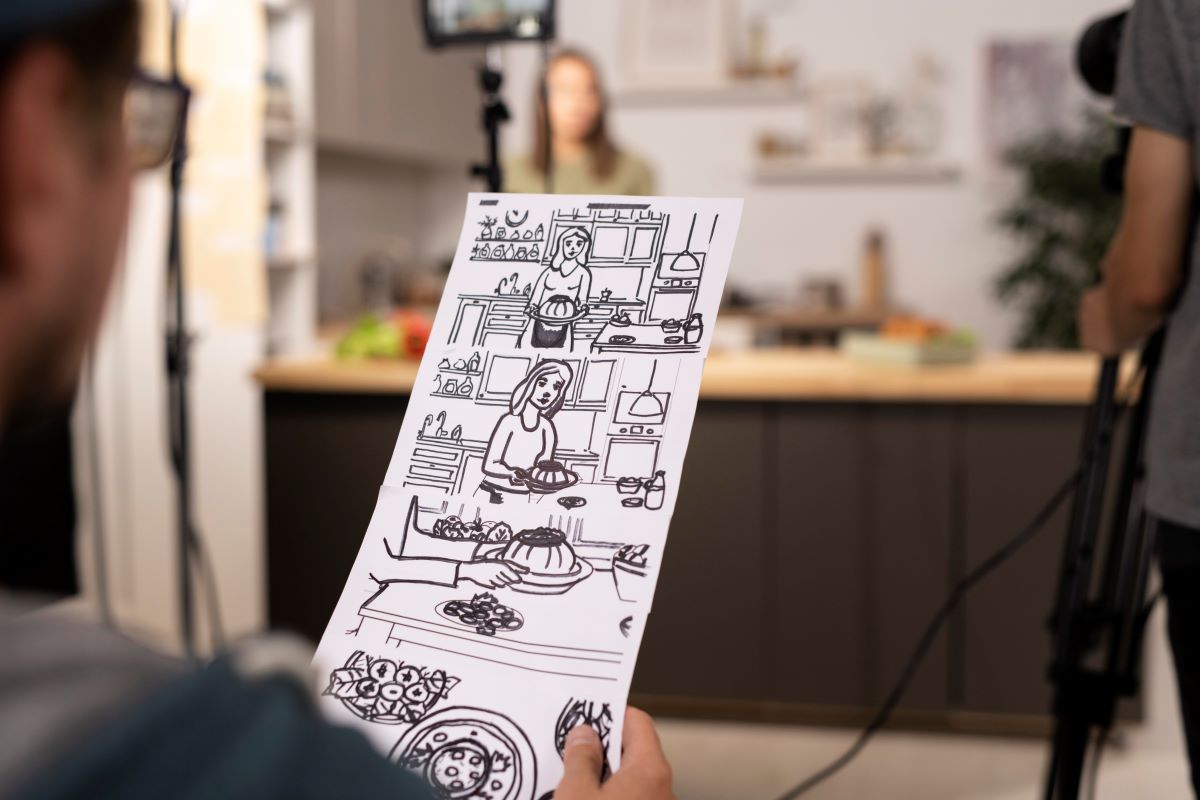
Visualizing the Film Through Storyboards
Storyboards translate the script into visual form, making them a critical part of the Filmmaking Process.
What Is a Storyboard
A storyboard is a sequence of drawings that show how each shot will look.
Benefits of Storyboarding
Clarifies camera angles
Plans shot composition
Reduces mistakes during filming
Improves team communication
Storyboard Elements
Shot size
Camera movement
Character positioning
Scene transitions

The Role of Pre Visualization
Pre visualization takes storyboarding further by using digital tools or rough animations.
Why Pre Visualization Matters
Helps plan complex scenes
Identifies technical challenges
Improves efficiency on set
This step enhances the Filmmaking Process by minimizing surprises during production.
Conclusion Understanding the Filmmaking Process From Start to Finish
The Filmmaking Process is a structured journey that transforms an initial idea into a polished final cut ready for audiences. From concept development and scriptwriting to planning, filming, and post production, every stage plays a vital role in shaping the final film. When each step is approached with care and intention, the entire Filmmaking Process becomes more efficient, creative, and rewarding.
Understanding the Filmmaking Process helps filmmakers make better decisions, communicate clearly with their team, and avoid costly mistakes. It ensures that storytelling remains strong while technical execution supports the creative vision. Filmmakers who respect each phase of the process are better equipped to handle challenges and deliver high quality results.
For a deeper look at how planning and execution come together during production, you can explore this detailed internal guide that breaks down how scenes move from script to screen step by step
https://filmfuse.com/from-script-to-screen-how-a-scene-is-shot-step-by-step/
This resource complements the Filmmaking Process by showing how preparation directly impacts what happens on set.
To further strengthen your understanding of filmmaking fundamentals, industry standards, and terminology, an authoritative overview of cinema and film production can be found here
https://en.wikipedia.org/wiki/Filmmaking
Ultimately, mastering the Filmmaking Process is not about rushing to the final cut but about respecting every stage that leads there. With a clear process, strong planning, and creative discipline, filmmakers can turn ideas into compelling stories that resonate with audiences long after the credits roll.
FAQs About the Filmmaking Process
What is the Filmmaking Process
The Filmmaking Process is the complete workflow used to create a film, starting from an initial idea and ending with the final cut. It includes development, pre production, production, post production, and distribution. Each stage plays a critical role in shaping the final film.
Why is the Filmmaking Process important for beginners
Understanding the Filmmaking Process helps beginners avoid common mistakes such as poor planning, weak storytelling, and technical issues. A structured process improves efficiency, creativity, and overall film quality.
What comes first in the Filmmaking Process
The first step in the Filmmaking Process is idea and concept development. This stage defines the story, purpose, and audience of the film, forming the foundation for all future decisions.
Is scriptwriting part of the Filmmaking Process
Yes scriptwriting is a core stage of the Filmmaking Process. The script acts as a blueprint for filming, guiding performances, camera work, sound, and editing.
What happens during pre production in the Filmmaking Process
Pre production involves planning all aspects of the film before shooting begins. This includes budgeting, scheduling, casting, location scouting, production design, and technical preparation.
How does post production fit into the Filmmaking Process
Post production is the stage where the film is edited, sound is designed, music is added, and visuals are refined. This phase shapes pacing, emotion, and storytelling, making it one of the most impactful parts of the Filmmaking Process.
Can the Filmmaking Process be different for documentaries
Yes the Filmmaking Process for documentaries is often more flexible. While planning is still essential, documentaries may evolve during filming based on real world events and interviews.
Does following the Filmmaking Process improve film quality
Absolutely. Following a clear Filmmaking Process ensures strong storytelling, better technical execution, and smoother collaboration between team members, resulting in a more professional final product.
Can one person handle the entire Filmmaking Process
For small projects, one person can manage most stages of the Filmmaking Process. However, larger productions require a team to handle specialized roles such as cinematography, sound, editing, and production management.
Leave a comment