
Introduction
The Pre-Production Phase of Filmmaking is arguably the most critical stage in the filmmaking process. It lays the foundation for the entire production, ensuring that every element, from the script to the final shot, is meticulously planned. While production and post-production often get the spotlight, the success of any film often hinges on the effectiveness of its pre-production.
In this phase, filmmakers conceptualize ideas, develop scripts, plan budgets, scout locations, assemble a crew, cast actors, and design visuals. Skipping or underestimating pre-production can lead to chaos on set, budget overruns, and compromised creative vision. Understanding the full scope of this phase can help filmmakers, producers, and even enthusiasts appreciate why careful preparation is essential.

What is the Pre-Production Phase of Filmmaking?
The Pre-Production Phase of Filmmaking refers to the preparatory stage before the cameras start rolling. During this period, filmmakers focus on strategizing, organizing, and finalizing all aspects of the film to ensure smooth execution during shooting.
Key elements of pre-production include:
-
Scriptwriting and Story Development
The journey begins with a concept, which is developed into a fully fleshed-out screenplay. Every detail, including dialogue, scene transitions, and narrative structure, is finalized. During this process, revisions are common to ensure the story is coherent, engaging, and ready for production. -
Budgeting and Scheduling
A realistic budget is critical. It accounts for cast, crew, locations, equipment, props, costumes, post-production, and unforeseen contingencies. Scheduling ensures the film is shot efficiently, preventing costly delays. -
Casting and Crew Selection
The pre-production phase involves hiring the director, producers, cinematographer, art directors, and other essential personnel. Casting decisions are finalized to ensure actors fit the vision and roles perfectly. -
Location Scouting and Set Design
Identifying the perfect locations is crucial for authenticity and feasibility. Set design and props are also planned in detail to reflect the film’s mood and narrative style. -
Equipment and Technical Planning
Filmmakers determine the type of cameras, lenses, lighting, sound equipment, and special effects required. This technical blueprint ensures the production team is fully prepared. -
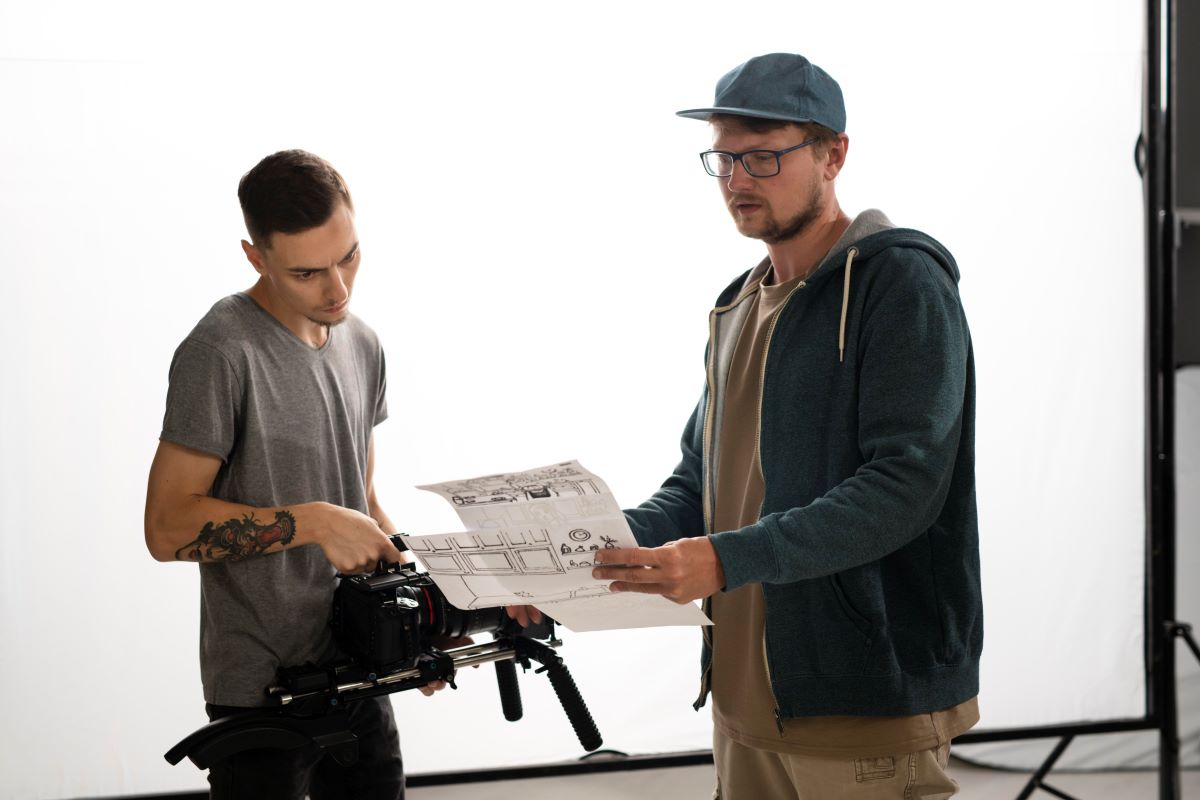
Storyboarding and Shot Planning
Storyboards are visual representations of scenes. They help the director and cinematographer visualize each shot, plan camera angles, and determine movement and lighting.

Importance of the Pre-Production Phase of Filmmaking
Skipping thorough pre-production is a common reason films face challenges during production. Here’s why this stage is indispensable:
| Aspect | Importance | Consequence of Neglect |
|---|---|---|
| Script | Ensures clear story and dialogue | Poor narrative, incoherent story |
| Budget | Keeps production financially feasible | Overspending, financial strain |
| Schedule | Helps organize shooting efficiently | Delays, missed deadlines |
| Casting | Matches talent with roles | Miscasting, poor performances |
| Locations | Ensures feasible and authentic settings | Inaccessible or inappropriate locations |
| Technical Planning | Ensures proper equipment is available | Technical failures, reshoots |
| Storyboarding | Visualizes shots before filming | Confused crew, inconsistent visuals |
The Pre-Production Phase of Filmmaking is vital because it reduces risks, aligns creative vision with practical execution, and establishes a roadmap for the entire film. By the time cameras start rolling, everyone knows their roles, the locations are prepared, and the story’s flow is clearly mapped out.
Key Benefits of Effective Pre-Production
-
Time Efficiency: Detailed schedules and shot lists minimize wasted time on set.
-
Cost Management: Budget forecasting prevents unexpected expenses.
-
Creative Clarity: Directors and writers can visualize scenes, dialogue, and effects clearly.
-
Improved Collaboration: Clear roles and responsibilities enhance teamwork.
-
Risk Reduction: Anticipating challenges like weather, permits, and technical issues reduces surprises.
Step-by-Step Pre-Production Process
The Pre-Production Phase of Filmmaking can be broken down into a systematic series of steps. Each step ensures that the production runs smoothly, creatively, and within budget.
1. Concept and Script Development
Every film starts with an idea. In this stage, writers and directors focus on transforming the concept into a full-fledged script.
Activities include:
-
Brainstorming the story concept
-
Writing a treatment or outline
-
Drafting the screenplay
-
Revising the script after feedback
A strong script is essential as it influences every subsequent stage. Without a clear story, the production may face creative inconsistencies.
2. Budget Planning
Budget planning ensures financial feasibility. This involves:
-
Calculating costs for cast, crew, locations, props, costumes, and equipment
-
Estimating post-production expenses, including editing, visual effects, and sound
-
Allocating contingency funds for unforeseen issues
| Expense Category | Estimated Percentage of Total Budget |
|---|---|
| Cast & Crew | 35% |
| Equipment & Technical | 20% |
| Locations & Permits | 15% |
| Set Design & Costumes | 10% |
| Post-Production | 15% |
| Contingency | 5% |
A well-structured budget avoids mid-production financial crises.
3. Scheduling and Production Timeline
A detailed schedule prevents delays and ensures efficient shooting. Filmmakers typically create:
-
Shooting Schedule: Dates and locations for each scene
-
Call Sheets: Daily schedules for cast and crew
-
Production Calendar: Timeline from pre-production to post-production
Scheduling also accounts for actor availability, location accessibility, weather conditions, and special effects requirements.
4. Casting and Crew Assembly
The Pre-Production Phase of Filmmaking also involves assembling the right team.
Casting Steps:
-
Auditions and screen tests
-
Shortlisting actors based on performance and suitability
-
Finalizing contracts
Crew Selection Includes:
-
Director of Photography (DoP)
-
Art Director
-
Production Designer
-
Sound and Lighting Technicians
-
Assistant Directors
Choosing the right team ensures smooth collaboration and high-quality output.
5. Location Scouting and Set Design
Finding the right locations is crucial for authenticity. Pre-production involves:
-
Visiting potential locations
-
Evaluating accessibility and lighting conditions
-
Securing permits and agreements
Set designers also prepare detailed sketches and plans for studio or indoor shoots. Props, costumes, and decor are sourced or fabricated according to the director’s vision.
6. Technical Planning
Technical planning ensures that the film’s visual and audio quality matches the creative vision.
Key Considerations:
-
Choosing cameras, lenses, and stabilizers
-
Lighting setup and schemes
-
Sound recording equipment
-
Special effects planning (practical and CGI)
Having a technical blueprint avoids equipment shortages and technical failures during production.
7. Storyboarding and Shot Lists
Storyboards visually map each scene, allowing directors, cinematographers, and crew to pre-plan:
-
Camera angles and movement
-
Lighting and shadow placement
-
Actor positioning
-
Special effects and transitions
Shot lists complement storyboards by providing a checklist of scenes to shoot each day. Together, they save time and reduce errors during production.
Common Mistakes in Pre-Production Phase
Even experienced filmmakers sometimes make errors in pre-production. Awareness of these pitfalls can prevent major issues later.
| Mistake | Consequence | Solution |
|---|---|---|
| Underestimating Budget | Cost overruns, production delays | Include contingency funds, detailed budgeting |
| Skipping Storyboarding | Confused crew, inconsistent shots | Create detailed storyboards and shot lists |
| Poor Scheduling | Unavailable actors, delayed shoots | Plan schedules well in advance, account for contingencies |
| Ignoring Location Scouting | Inaccessible or unsuitable locations | Conduct thorough site inspections |
| Incomplete Crew Selection | Inefficient teamwork | Hire experienced and reliable professionals |
| Rushed Script Development | Weak story, plot holes | Allow sufficient time for revisions and feedback |
 Tools and Software Used in the Pre-Production Phase of Filmmaking
The Pre-Production Phase of Filmmaking increasingly relies on specialized tools to organize, visualize, and manage the project efficiently. These tools save time, reduce errors, and improve collaboration.
| Tool/Software | Purpose | Benefits |
|---|---|---|
| Final Draft | Screenwriting | Industry-standard script formatting, collaboration features |
| Celtx | Scriptwriting & Storyboarding | Integrated pre-production planning, budgeting, and scheduling |
| Movie Magic Scheduling | Production Scheduling | Detailed shooting schedules, call sheets, resource allocation |
| Shot Designer | Camera & Shot Planning | Visualizes camera angles, movements, and blocking |
| FrameForge | Storyboarding | Digital storyboards, pre-visualization of scenes |
| Trello / Asana / Monday.com | Project Management | Task tracking, team collaboration, deadlines |
| Adobe Photoshop / Illustrator | Concept Art & Set Design | Visualizes locations, costumes, props |
| Google Workspace / Dropbox | File Sharing & Collaboration | Cloud storage, access to scripts, storyboards, and budget files |
Using these tools allows the director, producers, and crew to coordinate effectively, preventing miscommunication and ensuring that every team member is aligned with the creative vision.
Case Studies: Films with Strong Pre-Production
Understanding real-world examples illustrates the value of meticulous pre-production planning.
1. Inception (2010) – Directed by Christopher Nolan
Christopher Nolan’s Inception is renowned for its complex narrative and practical effects. The extensive pre-production phase included:
-
Detailed storyboarding for mind-bending sequences
-
Miniature and large-scale set construction planning
-
Rehearsals with actors for zero-gravity scenes
Result: Smooth execution of complex shots and minimal reshoots despite a high-concept story.
2. The Lord of the Rings Trilogy (2001–2003) – Directed by Peter Jackson
Peter Jackson invested heavily in pre-production:
-
Location scouting across New Zealand
-
Costumes and props designed for authentic Middle-earth feel
-
Shot lists and storyboards for each scene to manage hundreds of extras
Result: Epic scale films delivered on time and within budget, despite the complexity of production.
3. Mad Max: Fury Road (2015) – Directed by George Miller
This film required extensive pre-production to manage stunts, vehicles, and desert locations:
-
Vehicles were custom-built and tested
-
Storyboards mapped every chase sequence
-
Safety planning and risk management for dangerous stunts
Result: Seamless action sequences with minimal accidents, visually stunning results.
How Pre-Production Impacts Post-Production
The Pre-Production Phase of Filmmaking is not just about shooting preparation—it significantly influences post-production:
-
Editing Efficiency
Storyboards and shot lists ensure editors have all necessary footage in the right order. -
Visual Effects Integration
Early planning for CGI and effects reduces delays in post-production. -
Sound Design & Music Scoring
Knowing scene lengths and moods in pre-production guides composers and sound designers. -
Budget Control
Less reshooting and fewer corrections in post-production save costs. -
Creative Consistency
Pre-visualization of shots maintains visual style and narrative coherence throughout editing.

Conclusion
The Pre-Production Phase of Filmmaking is the backbone of any successful film. By carefully planning scripts, budgets, schedules, locations, cast, and technical requirements, filmmakers set themselves up for a smooth production and a polished final product. Skipping or underestimating pre-production often leads to chaos, cost overruns, and compromised creative vision.
From script development to storyboarding, the effort invested during pre-production ensures that the production and post-production phases can focus on creative execution rather than problem-solving. As seen in examples like Inception, The Lord of the Rings, and Mad Max: Fury Road, strong pre-production correlates directly with cinematic excellence.
SEO-Optimized FAQs
1. What is the Pre-Production Phase of Filmmaking?
The Pre-Production Phase of Filmmaking is the planning stage before filming begins. It involves script development, budgeting, scheduling, casting, location scouting, technical planning, and storyboarding to ensure smooth production.
2. Why is the Pre-Production Phase of Filmmaking important?
This phase ensures creative clarity, budget control, efficient scheduling, risk reduction, and overall organization. Films with thorough pre-production, like Inception, often achieve higher quality and fewer production issues.
3. How long does the Pre-Production Phase of Filmmaking typically take?
The duration depends on film scale. Small projects may take weeks, while large productions can spend months in pre-production to finalize scripts, storyboards, locations, and logistics.
4. What tools are used in the Pre-Production Phase of Filmmaking?
Popular tools include Final Draft for scriptwriting, Celtx for planning, Movie Magic Scheduling for production timelines, FrameForge and Shot Designer for storyboarding, and project management tools like Trello or Asana.
5. Can skipping pre-production affect the film?
Yes. Without proper pre-production, films risk budget overruns, scheduling conflicts, technical errors, poor actor performance, and visual inconsistencies. Pre-production ensures organized execution during production.
Leave a comment