
Music Scoring in Films plays a powerful role in shaping how audiences experience a story. Long before dialogue is spoken or visuals are fully processed, music guides emotional response, builds tension, and reinforces narrative meaning. A well crafted film score can elevate a scene, deepen character development, and make cinematic moments unforgettable.
From subtle background themes to iconic orchestral soundtracks, Music Scoring in Films is an essential storytelling tool. In this article, we explore how film music works, why it matters, and how composers and directors collaborate to enhance storytelling through sound.
What Is Music Scoring in Films
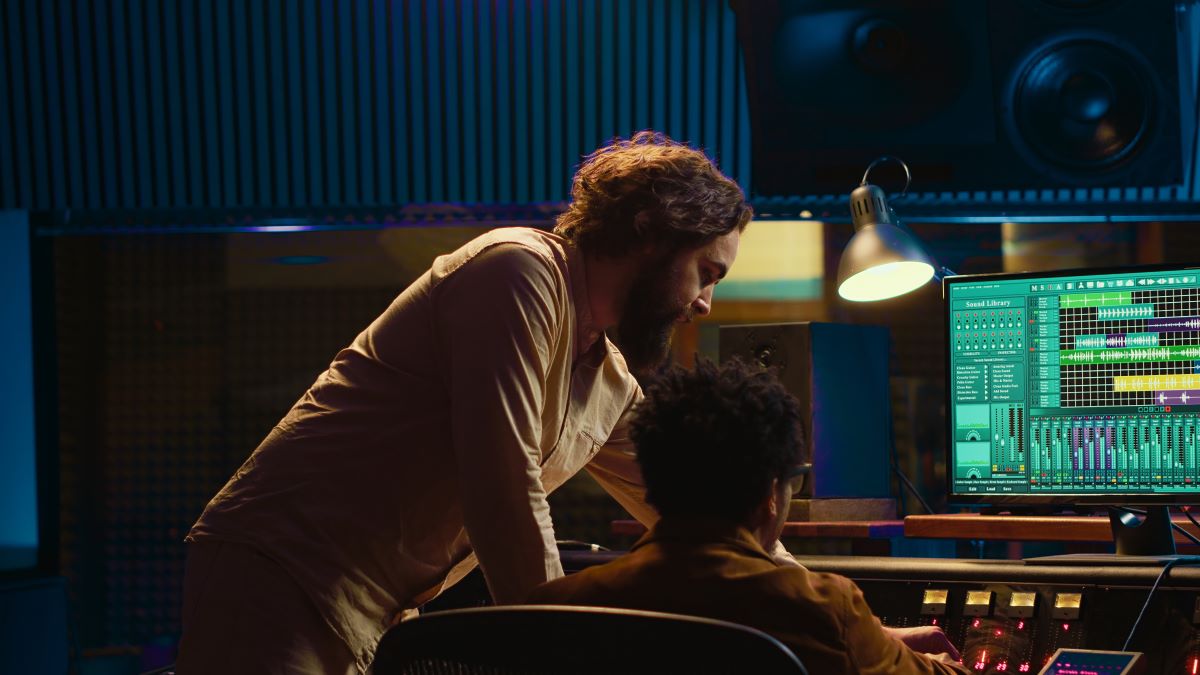
Music Scoring in Films refers to the original music composed specifically to accompany a movie. Unlike licensed songs, film scores are designed to match the pacing, emotion, and narrative structure of each scene.
A film score works beneath the surface, often unnoticed by viewers, yet deeply influential. It supports the story rather than distracting from it, guiding emotional reactions and reinforcing themes.
Key Components of Film Music Scoring
| Component | Purpose |
|---|---|
| Theme | Represents characters or ideas |
| Motif | Repeated musical phrase tied to story elements |
| Underscore | Background music supporting emotion |
| Leitmotif | Character or concept specific melody |
| Cue | Music segment timed to a scene |
What Is Music Scoring in Films
Music Scoring in Films refers to the original music composed specifically to accompany a movie. Unlike licensed songs, film scores are designed to match the pacing, emotion, and narrative structure of each scene.
A film score works beneath the surface, often unnoticed by viewers, yet deeply influential. It supports the story rather than distracting from it, guiding emotional reactions and reinforcing themes.
Key Components of Film Music Scoring
| Component | Purpose |
|---|---|
| Theme | Represents characters or ideas |
| Motif | Repeated musical phrase tied to story elements |
| Underscore | Background music supporting emotion |
| Leitmotif | Character or concept specific melody |
| Cue | Music segment timed to a scene |

Emotional Impact of Music Scoring in Films
Emotion is one of the most important elements of cinema, and Music Scoring in Films is central to emotional engagement.
A powerful score can make viewers feel fear, joy, heartbreak, or triumph without changing a single visual. Music bypasses logic and connects directly to emotion.
Emotional Effects Created Through Music
| Musical Style | Emotional Effect |
|---|---|
| Slow strings | Sadness and reflection |
| Percussion heavy | Tension and urgency |
| Piano melodies | Intimacy and vulnerability |
| Brass and orchestra | Power and triumph |
| Minimal ambient sound | Mystery or unease |
How Music Scoring Shapes Character Development
Music Scoring in Films is often used to define characters and track their emotional journeys. A recurring musical theme helps audiences recognize characters and connect with them emotionally.
As characters evolve, their musical themes may change in tempo, key, or instrumentation, reflecting internal transformation.
Character Themes in Film Music
| Character Stage | Musical Treatment |
|---|---|
| Introduction | Clear recognizable theme |
| Conflict | Distorted or minor key variation |
| Growth | Expanded or richer arrangement |
| Resolution | Full emotional version of theme |
This technique allows music to tell a parallel story alongside the visuals.
Music Scoring and Genre Expectations
Different genres rely on Music Scoring in Films in distinct ways. Audiences subconsciously recognize genre through sound as much as visuals.
Genre Based Use of Film Music
| Genre | Typical Scoring Style |
|---|---|
| Horror | Dissonant tones and silence |
| Action | Fast paced rhythmic scoring |
| Romance | Melodic and emotional themes |
| Drama | Subtle orchestral textures |
| Science fiction | Synth and experimental sounds |
Music helps establish genre identity instantly and reinforces audience expectations.
Silence as a Scoring Choice
Interestingly, silence is also a powerful aspect of Music Scoring in Films. Strategic absence of music can heighten realism, tension, or emotional impact.
By removing music, filmmakers force viewers to focus on sound design, dialogue, or raw emotion.
When Silence Is Effective
| Scene Type | Purpose of Silence |
|---|---|
| Emotional confrontation | Intensifies realism |
| Horror suspense | Builds anticipation |
| Dramatic reveal | Enhances shock |
| Intimate moments | Creates authenticity |
Silence, when used intentionally, becomes part of the musical storytelling.
Collaboration Between Directors and Composers
Music Scoring in Films is rarely a solo effort. It is the result of close collaboration between directors, composers, editors, and sound designers. The director communicates the emotional vision of the film, while the composer translates that vision into music.
Early discussions often involve mood boards, temp tracks, and narrative themes. These conversations help ensure that the score aligns with the film’s emotional and storytelling goals.
Key Stages of Collaboration
| Stage | Role of Director | Role of Composer |
|---|---|---|
| Pre production | Defines tone and emotional arc | Interprets narrative musically |
| Temp scoring | Uses placeholder music for reference | Understands pacing and mood |
| Spotting session | Identifies where music is needed | Plans cues and transitions |
| Final scoring | Approves themes and timing | Records and refines music |

How Music Scoring in Films Supports Pacing and Editing
Pacing is critical in filmmaking, and Music Scoring in Films plays a major role in controlling rhythm. Music guides the viewer through fast action sequences, slow emotional moments, and dramatic transitions.
Editors often cut scenes to music, allowing rhythm to shape visual timing. A well paced score ensures that scenes flow naturally and maintain audience engagement.
Music and Editing Relationship
| Editing Element | Musical Influence |
|---|---|
| Scene transitions | Smooth or abrupt cue changes |
| Action sequences | Tempo drives cut speed |
| Emotional pauses | Sustained notes extend moments |
| Montage scenes | Music unifies visuals |
Diegetic and Non Diegetic Music Explained
A core concept in Music Scoring in Films is the distinction between diegetic and non diegetic music.
Diegetic music exists within the world of the film. Non diegetic music exists outside the story world and is heard only by the audience.
Types of Film Music
| Type | Description | Example |
|---|---|---|
| Diegetic | Characters hear the music | Radio playing in a scene |
| Non diegetic | Background score | Emotional orchestral music |
| Transitional | Moves between both | Music fading from scene into score |
This balance allows filmmakers to create realism while still guiding emotional response.
Famous Examples of Music Scoring in Films
Throughout cinema history, Music Scoring in Films has produced unforgettable soundtracks that define entire movies.
These scores often become cultural landmarks, instantly recognizable even without visuals.
Iconic Film Scores and Their Impact
| Film | Composer | Storytelling Effect |
|---|---|---|
| Star Wars | John Williams | Epic mythological scale |
| Jaws | John Williams | Suspense through simplicity |
| Inception | Hans Zimmer | Psychological intensity |
| Titanic | James Horner | Emotional romance |
| The Godfather | Nino Rota | Melancholic legacy |
Each score enhances storytelling by reinforcing emotion and theme.

Music Scoring in Films and Cultural Influence
Film scores influence culture beyond cinema. Music Scoring in Films often shapes popular music trends, inspires concert performances, and becomes part of collective memory.
Film music concerts, streaming playlists, and soundtrack albums allow scores to exist independently of the films themselves.
Cultural Reach of Film Music
| Platform | Impact |
|---|---|
| Concert halls | Live orchestral performances |
| Streaming services | Soundtrack popularity |
| Video games | Scoring influence crossover |
| Advertising | Emotional association |
This lasting influence demonstrates the storytelling power of music.
Conclusion: The Lasting Power of Music Scoring in Films
Music Scoring in Films is far more than background sound. It is a storytelling force that shapes emotion, reinforces narrative structure, and deepens audience connection. From subtle atmospheric cues to iconic themes that define entire generations of cinema, music gives films their emotional voice.
Throughout this article, we explored how Music Scoring in Films enhances storytelling by guiding mood, supporting pacing, shaping character arcs, and strengthening genre identity. Whether through orchestral grandeur, minimalist sound design, or strategic silence, music influences how stories are felt as much as how they are seen.
As technology evolves, modern tools and AI assistance are expanding what is possible in film music creation. Yet, the heart of Music Scoring in Films remains human creativity. While software can analyze scenes and generate ideas, emotional depth, intuition, and storytelling sensitivity still rely on the composer’s artistic judgment.
For filmmakers, understanding music scoring is essential. Even for audiences, becoming aware of how music works behind the scenes adds a deeper appreciation of cinema. When visuals and sound work together seamlessly, storytelling reaches its highest potential.
In the end, Music Scoring in Films is not just about soundtracks. It is about emotion, memory, and meaning. It is the invisible thread that binds story, character, and audience into a truly cinematic experience.
What is Music Scoring in Films
Music Scoring in Films is the process of composing original music specifically designed to support a movie’s narrative, emotion, and pacing. It works alongside visuals and dialogue to enhance storytelling.
Why is music so important in films
Music helps communicate emotion, build tension, and guide audience reactions. Music Scoring in Films allows filmmakers to influence how scenes are perceived without using words.
How does music affect audience emotions
Music directly impacts the brain’s emotional response. Changes in tempo, harmony, and instrumentation in Music Scoring in Films can evoke fear, joy, sadness, or excitement almost instantly.
How has technology changed Music Scoring in Films
Technology has made film scoring more accessible through digital tools, virtual instruments, and AI assisted workflows. To understand how artificial intelligence is influencing creative decisions across filmmaking, you can explore this in depth guide on AI in film production:
https://filmfuse.com/ai-in-film-production-use-cases-tools-and-ethical-concerns/
Can independent filmmakers create effective film scores
Yes, independent filmmakers can create strong scores using affordable software, smaller ensembles, or hybrid digital orchestration. Creativity and emotional understanding matter more than budget in Music Scoring in Films.
Where can I learn professional film scoring techniques
For structured learning on composition, orchestration, and scoring for picture, this authoritative external resource is highly recommended:
https://www.berklee.edu/film-scoring
Leave a comment