
Introduction
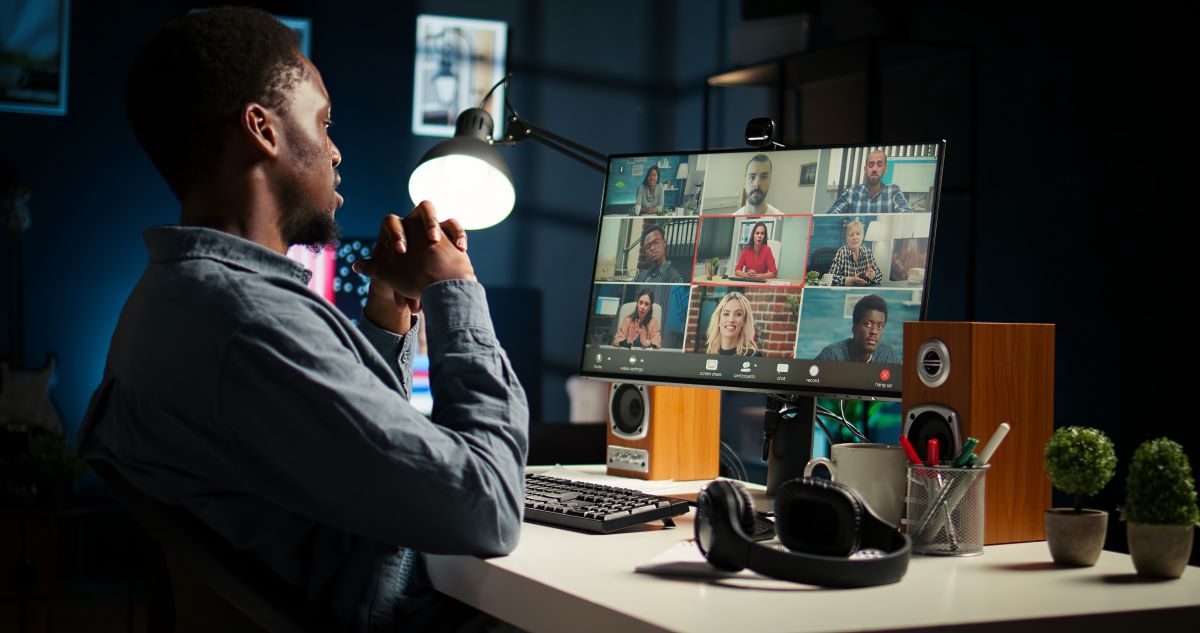
In the digital age, filmmaking is no longer confined to physical studios or local talent. Today, creators, producers, and directors collaborate seamlessly across borders — sharing ideas, scripts, and footage in real time. This transformation has opened endless opportunities for filmmakers looking to build their dream teams.
Whether you’re an aspiring director, an independent producer, or a passionate writer, learning how to connect with Film Crew and Screenwriters Online can completely change your creative journey.
This guide walks you through the best platforms, communities, and strategies to find reliable collaborators, build meaningful relationships, and bring your stories to life — even if your team is thousands of miles apart.

1. Why Networking Online Matters for Filmmakers
Traditionally, networking in the film industry happened at festivals, workshops, and production houses. But with the evolution of digital collaboration platforms, it’s now possible to meet editors in New York, screenwriters in London, and cinematographers in Mumbai — all in one virtual space.
Here’s why building connections online is essential:
-
Global Collaboration: Access talent from around the world, not just your city.
-
Cost Efficiency: Save travel and meeting costs with virtual production coordination.
-
Diversity of Ideas: Collaborate with creators from different backgrounds and styles.
-
Flexible Scheduling: Work asynchronously while maintaining consistent progress.
-
Portfolio Building: Expand your creative presence and showcase your work globally.
Networking online not only broadens your talent pool but also keeps your projects competitive and future-ready.
2. Best Platforms to Find Film Crew and Screenwriters Online
The internet is full of communities designed specifically for filmmakers. From professional marketplaces to social networks, here are the best platforms to connect with collaborators who share your vision.
| Platform | Ideal For | Key Features |
|---|---|---|
| Stage 32 | Filmmakers, producers, writers, and actors | Global network for film professionals; project posting and feedback forums |
| Mandy Network | Film and TV crew hiring | Crew listings, production opportunities, and industry job boards |
| FilmFreeway | Independent filmmakers and writers | Submit to film festivals, connect with production houses |
| Upwork / Fiverr | Freelance editors and screenwriters | Hire professionals for scriptwriting, editing, and post-production |
| Facebook Groups & Discord Servers | Community networking | Real-time discussions, resource sharing, and collaboration opportunities |
| Professional connections | Build your creative portfolio, reach producers, and pitch scripts |
Each platform offers unique opportunities. Stage 32, for instance, functions as a global creative hub where filmmakers can network, collaborate on projects, and even attend online workshops.
3. How to Build a Strong Online Filmmaking Profile
When networking digitally, your online profile is your first impression. A well-structured presence increases your chances of being discovered by producers, collaborators, and studios.
A. Create a Professional Portfolio
Include links to your past work — short films, scripts, cinematography reels, or music compositions. Platforms like Vimeo, Behance, and YouTube can host your portfolio for free.
B. Optimize Your Bio
Use clear, concise language to describe your expertise. Mention your niche (e.g., “independent drama filmmaker,” “sci-fi screenwriter”) and include your current projects.
C. Use the Right Keywords
Incorporate your focus keyword naturally — for example:
“Passionate about collaborating with talented Film Crew and Screenwriters Online to create meaningful stories.”
This not only strengthens your SEO visibility but also helps platforms match you with relevant opportunities.
D. Collect Testimonials
Ask past collaborators for short reviews or endorsements. Credibility goes a long way when producers or writers evaluate potential partners.
4. Tips for Reaching Out to Screenwriters and Film Crew
Connecting with professionals online is easy; forming lasting creative partnerships takes effort and strategy.
A. Personalize Your Messages
When reaching out to a writer or cinematographer, always introduce yourself properly. Explain why you’re interested in their work and how collaboration could be mutually beneficial.
B. Start Small
Collaborate on short films, micro-projects, or proof-of-concept scenes. It builds trust and showcases team compatibility before committing to bigger projects.
C. Be Clear About Roles and Expectations
Clearly define responsibilities, deadlines, and deliverables to prevent miscommunication. Use collaborative tools like Notion, Frame.io, or Slack to stay organized.
D. Offer Value
If you’re approaching a seasoned screenwriter or editor, share what you bring to the table — whether it’s your directing skills, a strong script, or marketing resources.
E. Stay Active in Communities
Regularly engage in filmmaking forums, comment on others’ work, and share insights. Consistent interaction builds credibility and visibility.
5. Tools That Enhance Online Collaboration
To work effectively with Film Crew and Screenwriters Online, adopting the right tools is crucial. These platforms streamline communication, version control, and creative decision-making.
| Tool | Function | Best For |
|---|---|---|
| Frame.io | Real-time video review and approvals | Post-production teams |
| Notion | Project management and script organization | Writing and production coordination |
| Slack | Communication and file sharing | Daily team communication |
| Google Drive / Dropbox | Cloud storage and document sharing | Script and footage storage |
| Final Draft | Professional scriptwriting | Writers and producers |
| Zoom / Google Meet | Virtual meetings and pitch sessions | Team discussions and brainstorming |
These tools ensure smoother workflows and help remote teams maintain creativity and structure without losing the personal touch that filmmaking demands.
6. Joining Online Film Communities and Events
Online film communities are perfect for building relationships and discovering opportunities. Many of them host virtual film festivals, webinars, and live Q&A sessions where you can meet professionals from all corners of the industry.
Popular options include:
-
Stage 32 Webinars – Learn from Hollywood professionals through live sessions.
-
Clubhouse Filmmaking Rooms – Real-time audio discussions about directing, screenwriting, and production.
-
Discord Film Servers – Active chat spaces for script sharing and editing feedback.
-
LinkedIn Film Events – Networking webinars and panel discussions on the future of filmmaking.
Attending these events regularly helps you establish yourself as an engaged, proactive creator.
7. Building Long-Term Collaborations
Once you connect with the right Film Crew and Screenwriters Online, nurture those relationships. Treat every project as a foundation for future opportunities.
-
Stay in Touch: Even after a project ends, keep communication open for upcoming collaborations.
-
Share Credit: Always credit your collaborators on public platforms — it strengthens relationships and boosts visibility for everyone involved.
-
Collaborate Across Genres: Experiment with different storytelling styles to build versatile creative chemistry.
-
Respect Time Zones and Schedules: Remote collaboration thrives on mutual respect and consistent communication.
Long-term partnerships often lead to stronger creative output and professional growth.
8. Common Challenges and How to Overcome Them
Online collaboration has its hurdles — but with preparation, they can easily be managed.
| Challenge | Solution |
|---|---|
| Time zone differences | Use shared calendars and scheduling tools like Google Calendar or Notion. |
| Communication gaps | Set weekly video meetings for clarity and feedback. |
| File management issues | Use structured cloud folders and naming conventions. |
| Creative disagreements | Maintain transparency and respect each contributor’s creative space. |
Addressing these challenges early ensures smoother, more productive collaborations.
9. Conclusion
Building a network of Film Crew and Screenwriters Online opens limitless creative potential. From finding passionate storytellers to co-creating scripts and editing remotely, digital collaboration is redefining the future of filmmaking.
By leveraging the right platforms, maintaining clear communication, and nurturing professional relationships, you can bring your vision to life — no matter where your team is based.
The digital era has removed the boundaries of location. All you need is passion, persistence, and the right people by your side.
FAQs About Film Crew and Screenwriters Online
Q1. Where can I find Film Crew and Screenwriters Online?
You can find them on platforms like Stage 32, Mandy Network, and LinkedIn, where filmmakers and writers connect to collaborate on global projects.
For a detailed breakdown of tools and platforms, check out our in-depth guide on Film Making Tools and Collaboration Platforms You Should Try.
Q2. How do I collaborate remotely with a screenwriter?
Use tools like Final Draft, Notion, or Google Docs to co-write scripts and hold brainstorming sessions through Zoom or Slack.
You can also explore creative workflow ideas from our article Combining Blog and Collaboration for Filmmakers: A Smart Strategy.
Q3. Are online collaborations secure for film projects?
Yes. Most collaboration tools offer encryption and access control to ensure scripts and footage remain confidential.
Learn more about optimizing your online production setup in SEO for Film Collaboration Platforms: Complete Guide.
Q4. What’s the best way to approach new collaborators online?
Send personalized messages highlighting shared goals and offering genuine creative partnership opportunities.
To strengthen your networking and communication strategies
Q5. Can online collaborations lead to real film opportunities?
Absolutely. Many independent films and short projects today are built entirely through online collaborations between remote teams.
Leave a comment