
The world of cinema is evolving faster than ever. With each passing year, future film technologies promise to transform how stories are told, experienced, and remembered. From groundbreaking visual effects to immersive storytelling, these innovations are set to redefine the entire movie industry.
Filmmakers, studios, and audiences alike are embracing tools that blur the line between reality and imagination. Whether it’s virtual reality, AI-driven editing, or holographic projection, future film technologies will not only change production processes but also how viewers engage with Films.
In this article, we explore the most exciting future film technologies and their potential to reshape cinema forever.
The Rise of Virtual Production
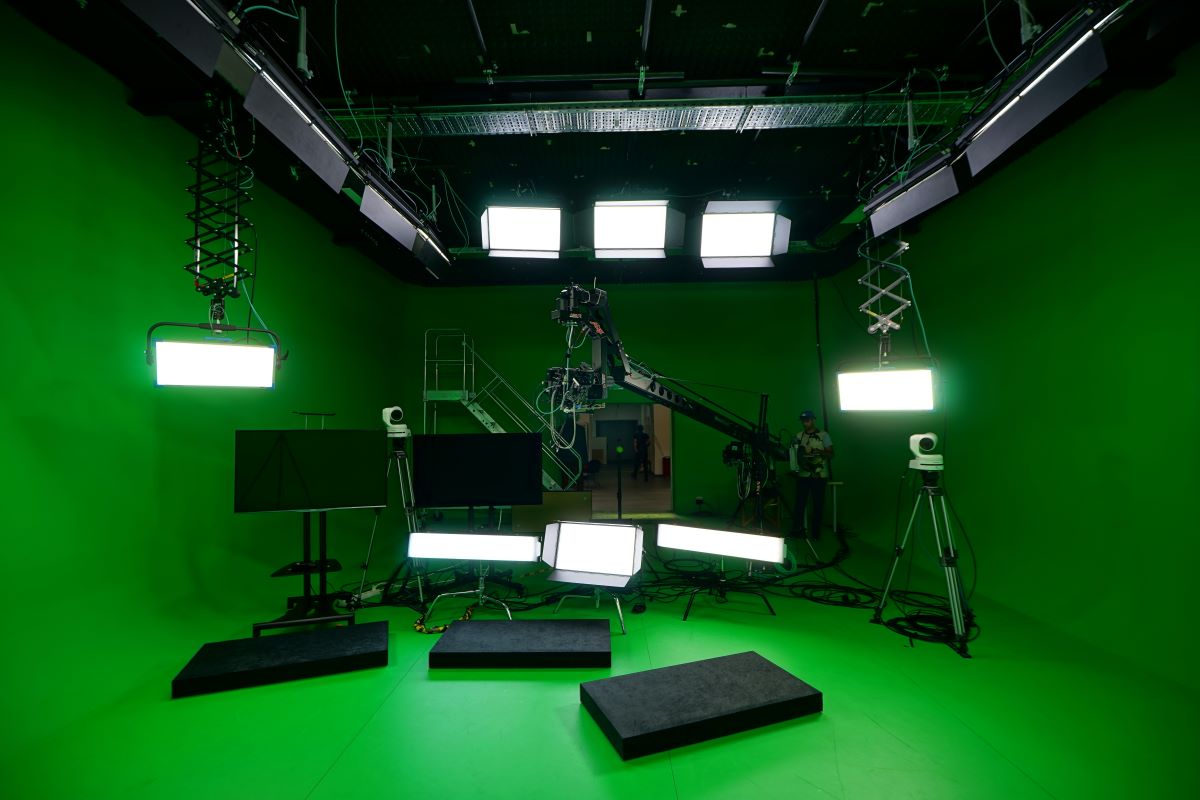
Virtual production is revolutionizing filmmaking. Tools like LED volume stages, motion capture, and real-time CGI allow directors to see final visuals on set rather than imagining them.
Key Benefits
-
Reduces reliance on location shoots
-
Increases creative flexibility
-
Allows real-time visualization of complex scenes
For example, shows like The Mandalorian use LED volumes to create expansive virtual worlds without leaving the studio. This technology is part of the broader category of future film technologies that make filmmaking more efficient and immersive.
AI in Film Production and Post-Production
Artificial intelligence is rapidly transforming post-production, editing, and even scriptwriting.
Applications
-
Editing Assistance: AI can analyze footage and suggest cuts, transitions, and pacing.
-
Script Enhancement: Algorithms can predict audience reactions and suggest plot improvements.
-
Visual Effects Automation: AI speeds up CGI, rotoscoping, and scene reconstruction.
By incorporating AI, studios can reduce costs and accelerate production timelines, making it a key part of future film technologies.
Table: AI Applications in Filmmaking
| Application | Benefits | Impact on Films |
|---|---|---|
| Editing Assistance | Faster and smarter cuts | Improves storytelling |
| Script Enhancement | Predicts audience reaction | Optimizes plot engagement |
| Visual Effects | Automates complex CGI | Saves time and cost |
| Sound Design | Generates realistic audio effects | Enhances immersion |

Augmented Reality and Immersive Experiences
Augmented Reality (AR) allows viewers to interact with films beyond the screen. By overlaying digital elements onto real-world environments, filmmakers can create hybrid storytelling experiences.
Examples
-
AR-enabled movie posters with interactive content
-
Immersive apps that expand a movie universe
-
Audience participation through AR interfaces
AR represents a major component of future film technologies by expanding the way audiences experience narrative worlds.

Holographic Projection: Movies Beyond Screens
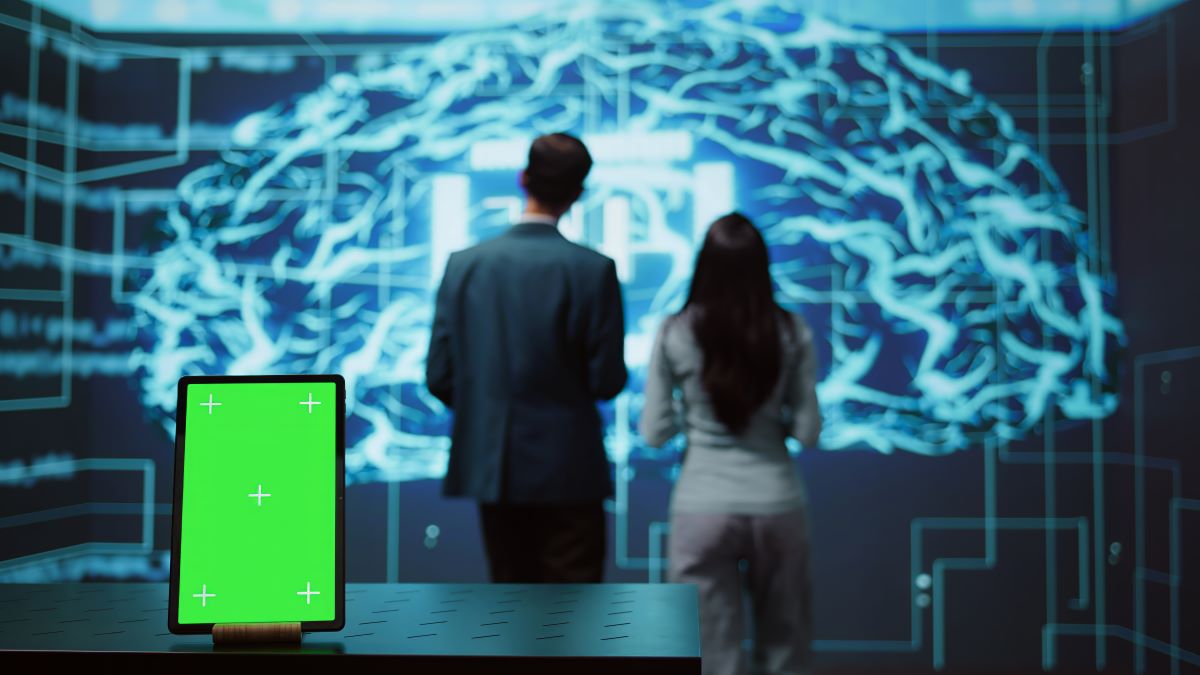
Holographic projection is one of the most futuristic advances in cinema. Unlike traditional projection, holograms create three-dimensional visuals in real space, allowing audiences to experience Films in a completely new way.
Key Features
-
Real-time 3D visuals without glasses
-
Interactive viewing angles
-
Enhanced sense of presence and immersion
For example, concerts and events have used holograms of performers for decades, but now, filmmakers are exploring future film technologies to bring entire movies to life in 3D spaces.
Volumetric Capture: 360-Degree Storytelling
Volumetric capture records actors and environments in full 3D, enabling dynamic camera movement and virtual reality experiences. This technology allows directors to manipulate scenes after shooting, enhancing creative flexibility.
Benefits
-
Complete freedom of camera angles
-
Realistic virtual reality integration
-
Enables interactive and immersive films
Volumetric capture is a core pillar of future film technologies, bridging the gap between traditional filmmaking and fully immersive experiences.
3D Scanning and Photorealistic CGI
3D scanning captures real-world objects and actors in precise detail, producing photorealistic CGI for use in Films. Combined with AI-driven rendering, this technology can create hyper-realistic visual effects that are indistinguishable from reality.
Advantages
-
Reduces reliance on practical effects
-
Faster production of complex scenes
-
Greater creative control over environments and characters
Movies like Avatar and Avengers already showcase early adoption, and the next decade promises even more integration of future film technologies into mainstream filmmaking.
Table: Visual Enhancement Technologies
| Technology | Main Purpose | Impact on Films |
|---|---|---|
| Holographic Projection | 3D immersive visuals | Audience engagement and immersion |
| Volumetric Capture | 360-degree recording | Interactive storytelling |
| 3D Scanning | Realistic object and actor replication | Photorealistic CGI |
| AI Rendering | Faster, more detailed CGI | Cost and time efficiency |
| AR Integration | Blends film with reality | Expands viewer participation |
Interactive Storytelling and AI-Driven Engagement
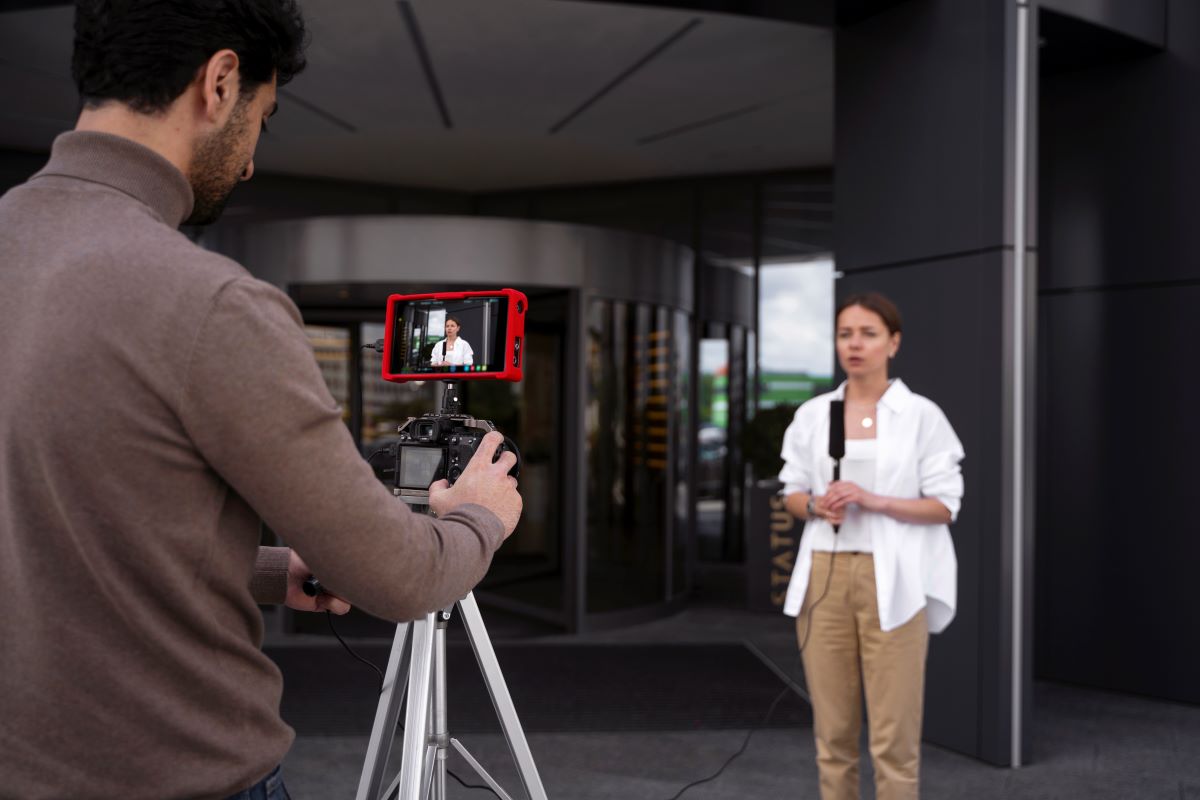
Interactive storytelling allows viewers to choose plot directions, creating personalized narratives. Combined with AI, filmmakers can adapt stories in real-time based on audience preferences.
Examples of Interactive Films
-
Netflix’s Bandersnatch
-
VR experiences that change story based on user movement
-
AI-driven dialogue adjustments to enhance realism
Interactive storytelling is a revolutionary aspect of future film technologies, fundamentally changing the traditional passive viewing model into an active, engaging experience.
Interactive Storytelling and AI-Driven Engagement
Interactive storytelling allows viewers to choose plot directions, creating personalized narratives. Combined with AI, filmmakers can adapt stories in real-time based on audience preferences.
Examples of Interactive Films
-
Netflix’s Bandersnatch
-
VR experiences that change story based on user movement
-
AI-driven dialogue adjustments to enhance realism
Interactive storytelling is a revolutionary aspect of future film technologies, fundamentally changing the traditional passive viewing model into an active, engaging experience.
Economic and Production Implications
Adopting future film technologies comes with financial and operational considerations. While initial costs can be high, long-term benefits include:
-
Reduced location shooting and set building
-
Faster production cycles with AI assistance
-
Greater audience reach through immersive experiences
These technologies are not just gimmicks—they are reshaping the economics and logistics of filmmaking.
Table: Cost vs Benefit of Future Film Technologies
| Technology | Initial Cost | Long-Term Benefit | Audience Impact |
|---|---|---|---|
| Virtual Production | High | Reduced location costs | High |
| AI Post-Production | Medium | Faster editing | Medium |
| Holographic Projection | High | Immersive experience | High |
| Volumetric Capture | Medium | Flexible scene use | High |
| AR/Interactive Storytelling | Medium | Engaged audiences | Medium |
What the Next Decade Holds for Future Film Technologies
The pace of innovation in cinema is accelerating. Here’s what we can expect in the next 10 years:
-
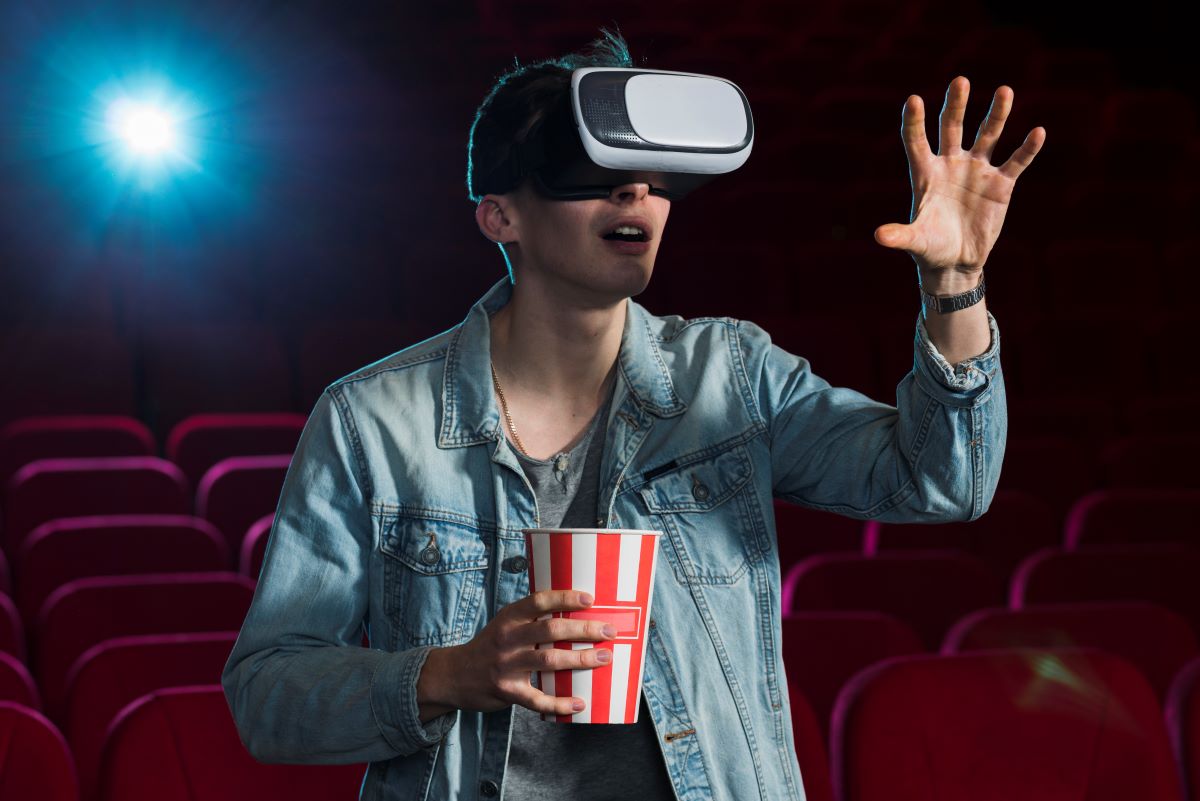
Fully Immersive VR Cinemas: Entire theaters may become interactive VR environments where audiences “enter” the film.
-
AI-Generated Content: Scripts, scenes, and visual effects could be partially or fully generated by AI, allowing rapid prototyping and experimentation.
-
Real-Time Volumetric Streaming: Audiences may access live, interactive 3D versions of films streamed to VR/AR devices.
-
Holographic Home Cinema: Holograms may move beyond theaters into living rooms, offering premium experiences without screens.
-
Emotion-Adaptive Storytelling: Future films could adapt scenes in real-time based on biometric feedback from the audience, tailoring emotional arcs for maximum engagement.
All of these advances fall under the umbrella of future film technologies, promising to reshape not only production but also the viewing experience itself.
Case Studies of Innovative Films Using Future Film Technologies
Example 1: The Mandalorian – Virtual Production
-
Used LED volume stages for real-time world-building
-
Reduced location shooting costs
-
Increased creative control for directors
Example 2: Avengers: Endgame – AI-Enhanced CGI
-
AI-assisted visual effects and crowd simulations
-
Enabled complex battle scenes with hundreds of characters
-
Reduced post-production time significantly
Example 3: Bandersnatch (Netflix) – Interactive Storytelling
-
Personalized narrative paths for viewers
-
Demonstrated the potential of AI-driven audience engagement
-
Pioneered interactive features that could become standard in the future
These examples showcase how future film technologies are already changing the landscape of modern cinema.
Cultural and Social Implications
Adoption of future film technologies will also affect society and culture:
-
Global Accessibility: VR and AR technologies will allow audiences worldwide to experience premium cinematic content from home.
-
Democratization of Filmmaking: AI and virtual production may lower entry barriers, enabling smaller studios and independent filmmakers to create high-quality Films.
-
Changing Audience Expectations: As technology enables more immersive experiences, audiences may demand higher interactivity and realism in traditional films.
The cultural impact is significant, redefining the relationship between filmmakers and audiences.
Table: Cultural Impact of Future Film Technologies
| Technology | Cultural Effect | Viewer Experience |
|---|---|---|
| VR Cinemas | Global immersion | Active participation |
| AI-generated content | Democratization | Faster storytelling |
| Holographic projection | Home cinema revolution | Interactive viewing |
| Emotion-adaptive storytelling | Personalized engagement | Deeper emotional connection |
What are future film technologies
Future film technologies include innovations like virtual production, AI-driven CGI, holographic projection, volumetric capture, AR, and interactive storytelling that change how films are made and experienced. For a deeper dive into AI and machine learning’s impact on editing and VFX, check this internal article.
How will virtual reality change movies
VR allows audiences to immerse themselves in 360-degree cinematic worlds, making them active participants in the story rather than passive viewers.
Can AI really produce films
AI is increasingly used to assist with editing, visual effects, and even scriptwriting. While fully AI-generated films are rare, AI significantly speeds up production and enhances creativity. For additional insights, see this external resource on AI’s role in modern cinema.
Which films already use future film technologies
Examples include The Mandalorian (LED volume virtual production), Avengers: Endgame (AI-assisted CGI), and Bandersnatch (interactive storytelling).
Will future film technologies make movies more interactive
Yes. Technologies like AR, VR, volumetric capture, and AI-driven storytelling allow viewers to influence plots, perspectives, or emotional experiences in real-time.
How can filmmakers adopt future film technologies
Filmmakers can integrate virtual production stages, AI tools for post-production, volumetric capture studios, and interactive storytelling frameworks to create next-generation Films.
Leave a comment