
Introduction
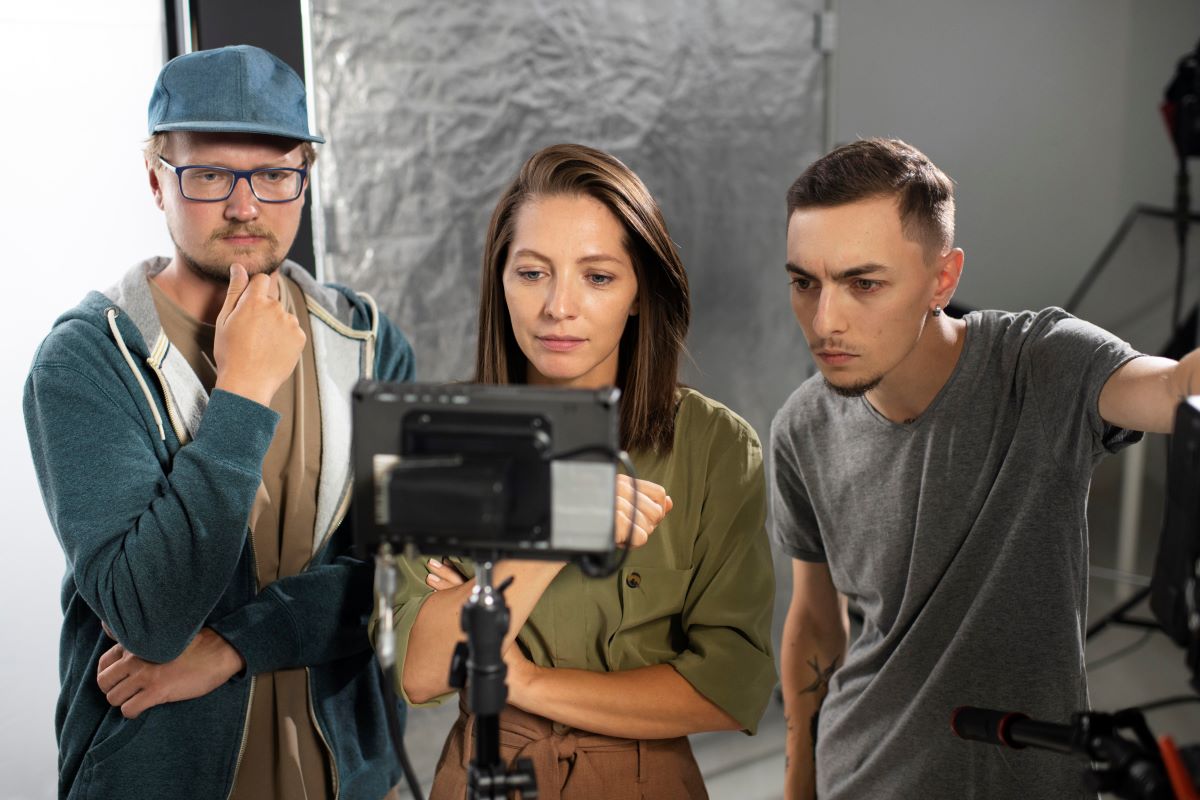
Modern filmmaking is no longer limited to a single studio, a local crew, or physical film reels. Today’s directors lead teams that span continents — from editors working remotely to VFX artists syncing in real time. To make this possible, the industry relies on Collaboration Platforms that keep everyone aligned, creative, and productive.
Whether you’re directing a short film, a documentary, or a commercial production, understanding how these platforms work can dramatically improve your efficiency, creativity, and communication. In this guide, we’ll explore how directors use Film Production Collaboration Platforms to manage their crews, streamline workflow, and deliver better films faster.
1. What Are Film Production Collaboration Platforms?
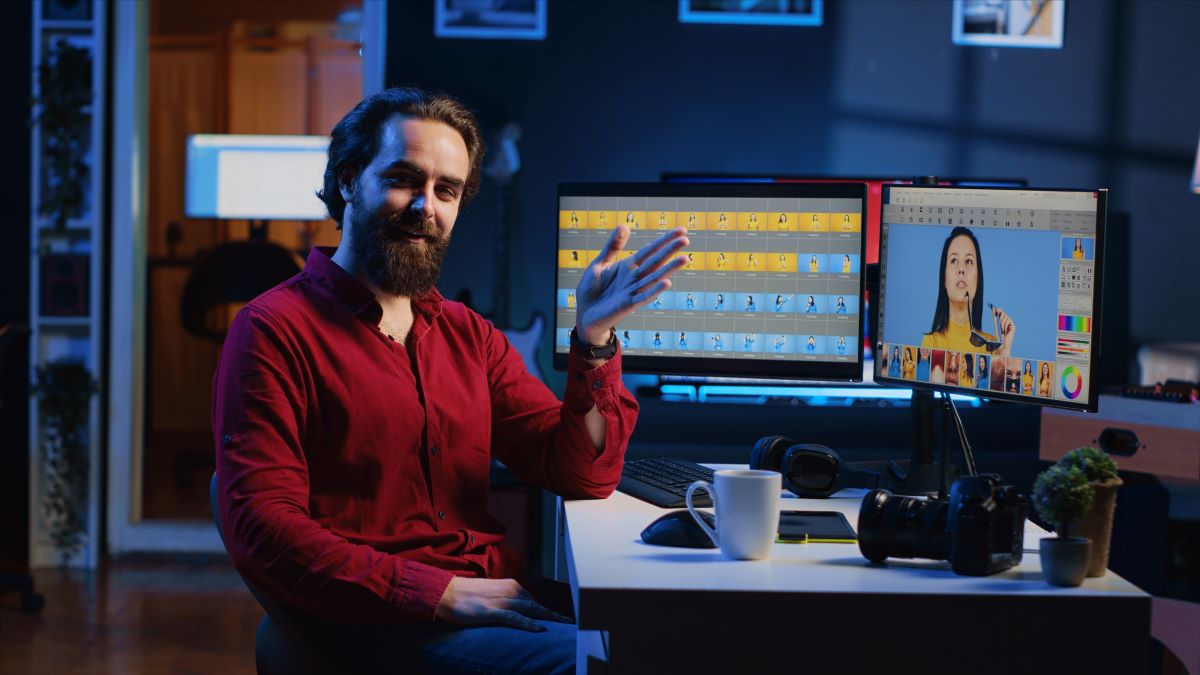
Collaboration Platforms are digital ecosystems designed to bring all aspects of film production together — from pre-production planning to post-production review.
These platforms serve as a virtual studio where every team member — director, cinematographer, sound designer, or producer — can:
-
Share project files securely
-
Review footage in real time
-
Exchange feedback instantly
-
Manage schedules and tasks
-
Track version history of edits
By centralizing communication and assets, collaboration platforms eliminate confusion, reduce duplication, and keep the creative process flowing.
2. Why Directors Rely on Collaboration Platforms
For directors, Collaboration Platforms are more than just productivity tools — they’re creative control centers. Here’s how they elevate the filmmaking process:
| Benefit | Description |
|---|---|
| Centralized Project Management | Directors can oversee scripts, storyboards, and shot lists in one place. |
| Faster Communication | Real-time messaging and annotation tools eliminate back-and-forth email threads. |
| Remote Workflow | Collaborators can log in from anywhere, making production borderless. |
| Creative Consistency | Instant feedback ensures every cut and visual stays true to the director’s vision. |
| Improved Accountability | Clear task assignments and timelines keep everyone aligned on responsibilities. |
Collaboration Platforms empower directors to stay creatively involved in every phase — even when the team is distributed globally.
3. Key Features Every Director Should Look For
When choosing the right Collaboration Platform, directors should focus on tools that simplify both creative and technical aspects of filmmaking.
A. Cloud-Based File Sharing
Large video files can slow production if not managed properly. Platforms like Frame.io and Blackmagic Cloud enable instant uploads and reviews without delays.
B. Real-Time Review and Feedback
The best tools let directors leave frame-accurate comments on clips, ensuring feedback is clear and actionable.
C. Task and Team Management
Directors can assign tasks, set priorities, and monitor progress using platforms such as StudioBinder or Trello.
D. Secure Collaboration
Security is critical when handling unreleased footage. End-to-end encryption and permission-based access protect your creative assets.
E. Integration with Editing Software
Top-tier collaboration platforms sync seamlessly with editing programs like Adobe Premiere Pro, Final Cut Pro, and DaVinci Resolve.
4. Top Collaboration Platforms for Film Directors
Here’s a look at the most trusted tools in the industry that directors rely on for smooth, connected filmmaking:
| Platform | Best For | Core Features |
|---|---|---|
| Frame.io | Real-time video feedback | Timestamped comments, cloud review, Adobe Premiere integration |
| StudioBinder | Production scheduling | Call sheets, task assignments, team management |
| Blackmagic Cloud | Post-production collaboration | Multi-user editing in DaVinci Resolve, secure cloud storage |
| Notion | Creative planning and notes | Storyboarding, task tracking, centralized documentation |
| Slack | Communication hub | Instant chat, integrations with Google Drive, and task alerts |
| Wipster.io | Client and team approvals | Frame-by-frame review, collaboration links, and progress tracking |
These Collaboration Platforms cater to directors of all scales — from independent creators to full-scale production studios.
5. How Collaboration Platforms Improve the Director’s Workflow
The director’s job is to maintain creative vision while coordinating dozens of moving parts. Collaboration Platforms streamline that process through automation, clarity, and accessibility.
Pre-Production:
-
Share scripts and storyboards digitally with the team.
-
Approve casting and location scouting remotely.
Production:
-
Monitor shot progress and provide instant direction.
-
Communicate with departments using real-time notifications.
Post-Production:
-
Review rough cuts directly on the platform.
-
Comment on scenes and collaborate with editors efficiently.
Every stage becomes more fluid, reducing downtime and ensuring projects stay on schedule.
6. Choosing the Right Collaboration Platform for Your Team
Not all platforms are built the same. Directors should consider several factors before deciding which solution fits their workflow.
A. Team Size and Complexity
If you’re managing a small indie film, Notion or Trello might be enough. For larger productions with multiple departments, Frame.io or StudioBinder provide more robust control.
B. Integration Needs
A great platform connects seamlessly with your existing ecosystem — editing software, cloud storage, and project management tools.
C. Budget and Scalability
Start with a free tier or trial, then scale up as your projects expand. Many platforms offer affordable professional plans suited for small production teams.
D. User Experience
Choose tools your team can learn quickly. Complicated systems can slow down creative flow, especially during tight production schedules.
7. Case Study: How Directors Use Collaboration Platforms in Real Productions
When director Ava Chen began producing her short film remotely, she used Frame.io for footage review and StudioBinder for scheduling.
-
Challenge: Coordinating an international crew and post-production team during tight deadlines.
-
Solution: By integrating Frame.io with Adobe Premiere Pro, her team reviewed edits in real time, while StudioBinder kept the schedule organized.
-
Result: The final cut was delivered two weeks early, with fewer revisions and better creative alignment.
This case shows how leveraging the right Collaboration Platforms can make even complex remote projects run seamlessly.
8. Future of Collaboration Platforms in Film Production
As technology evolves, so do collaboration methods. The next generation of Collaboration Platforms is powered by AI, 5G, and real-time rendering technologies.
-
AI Integration: Tools now suggest edits, automate script breakdowns, and optimize workflow timelines.
-
Virtual Production: Directors can collaborate inside 3D environments using Unreal Engine or Unity-based systems.
-
Immersive Cloud Experiences: Real-time rendering allows directors to preview visual effects during live shooting.
These innovations redefine how creative teams interact, enabling directors to visualize and execute their visions instantly.
9. Conclusion
In a fast-paced digital era, Collaboration Platforms are the new backbone of modern filmmaking. For directors, they mean more than convenience — they represent control, creativity, and connectivity.
By adopting the right tools, directors can streamline communication, strengthen creative alignment, and manage teams anywhere in the world.
Filmmaking is evolving, and with collaboration at its core, the possibilities for creativity are truly limitless.
FAQs About Collaboration Platforms
Q1. What are Collaboration Platforms used for in film production?
They’re digital tools that enable directors, editors, and crew members to work together remotely by sharing files, giving feedback, and managing production workflows.
Learn more about how these tools fit into creative workflows in Film Making Tools and Collaboration Platforms You Should Try.\
Q2. Which Collaboration Platform is best for directors?
Frame.io and StudioBinder are among the most popular for directors, offering real-time reviews, scheduling, and communication.
Discover how directors use these tools effectively in SEO for Film Collaboration Platforms: Complete Guide.
Q3. How do Collaboration Platforms help during post-production?
They allow seamless editing, feedback exchange, and review sessions between directors and editors — no matter where they are located.
Leave a comment