Shooting Through the Inferno: How the Washington DC Extreme Heat Wave Is Changing Independent Film Production
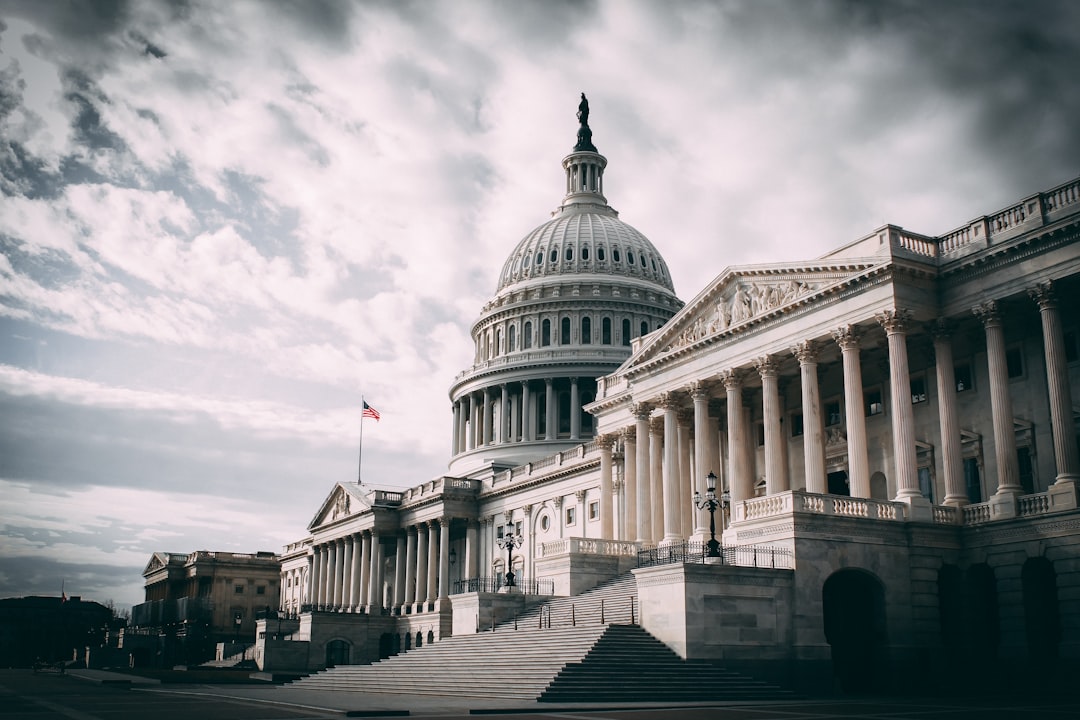
I was on a rooftop location scout in Northeast DC last week when my phone buzzed with a First Alert Weather Day notification — heat index pushing 112 degrees Fahrenheit, with the National Weather Service warning of life-threatening conditions through the July Fourth holiday weekend. The Washington DC extreme heat wave that has been scorching the mid-Atlantic this summer is not just a public health crisis. For independent filmmakers working with skeleton crews, no studio infrastructure, and budgets that cannot absorb a single lost shooting day, this heat dome is a direct threat to the work itself. Across the region — from the National Mall to Philadelphia's Fishtown, from Boston's Fort Point to New York's outer boroughs — indie productions are being forced to make hard calls about safety, scheduling, and creative adaptation.
Understanding What a Heat Dome Actually Means for Your Production
A heat dome is not just a hot day. The meteorological event gripping the Northeast right now traps superheated air in place for days at a time, meaning there is no overnight relief. Ground temperatures that absorb heat all day radiate it back at night, so a DC shoot that starts at 6 AM is already stepping into ambient temps in the upper 80s before the sun clears the horizon. By midday on a concrete-heavy urban location — the Lincoln Memorial reflecting pool, the Capitol grounds, any of the row-house blocks that cinematographers love for their texture and light — surface temperatures can exceed 150 degrees Fahrenheit. The CDC has already flagged extremely high rates of heat-related emergency room visits across the region this season, and those numbers are climbing.
For indie filmmakers, the first instinct is to power through. We are conditioned to solve problems with hustle and improvisation. But heat illness is not a problem you can hustle through. Heat exhaustion can transition to heat stroke in under thirty minutes of sustained exertion in these conditions, and heat stroke is fatal. I have been on sets where a grip went down from heat exhaustion and the entire production ground to a halt for two hours while we waited for paramedics. That experience changed how I think about hot-weather production entirely. The conversation has to start with safety architecture, not cinematography or scheduling.
Crew Safety Protocols That Actually Work in Extreme Heat
The productions that are successfully navigating this heat wave are not the ones grinding through twelve-hour days in direct sun. They are the ones that have completely restructured their shooting windows and built genuine rest infrastructure into their budgets. Here is what a functional extreme-heat production day looks like in 2026 DC:
First, flip your schedule to a split-day model. Shoot from 5:30 AM to 10:00 AM, break completely through the peak heat window of 10 AM to 4 PM, then resume from 4:00 PM until dark. This sounds radical until you realize that golden-hour cinematography in both morning and evening actually gives you more cinematically useful light than a conventional midday grind anyway. Check out our cinematography basics guide for more on leveraging natural light to your advantage.
Second, mandate a dedicated cooling station that is not optional to use. A ten-by-ten canopy with a misting fan, a cooler stocked with electrolyte drinks, and a posted mandatory break schedule every forty-five minutes is the baseline. Productions shooting on the Mall or other federal locations should note that NPS permitting has added heat-safety addendums this season — you will need to document your cooling infrastructure as part of the permit application.
The Buddy System and Heat Illness Recognition
Assign a dedicated heat safety officer — ideally your first AD or a designated PA — whose sole job during exterior shooting is monitoring the crew for heat illness symptoms. Early signs include heavy sweating, pale skin, muscle cramps, and fatigue. When someone stops sweating in extreme heat, that is a medical emergency requiring immediate action. Every crew member should know this. Run a mandatory five-minute heat safety briefing at the top of every exterior call. It sounds like overkill until it is not.
Hydration That Actually Works
Water alone is insufficient in conditions where your crew is sweating heavily for hours. Sodium and potassium loss accelerates heat illness progression significantly. Stock your cooler with a ratio of roughly two electrolyte drinks for every three waters, and make sure food service — even for a small indie shoot — includes salty snacks. Pretzels, salted nuts, and electrolyte gels are cheap insurance. Budget line item it as a safety expense, not catering.
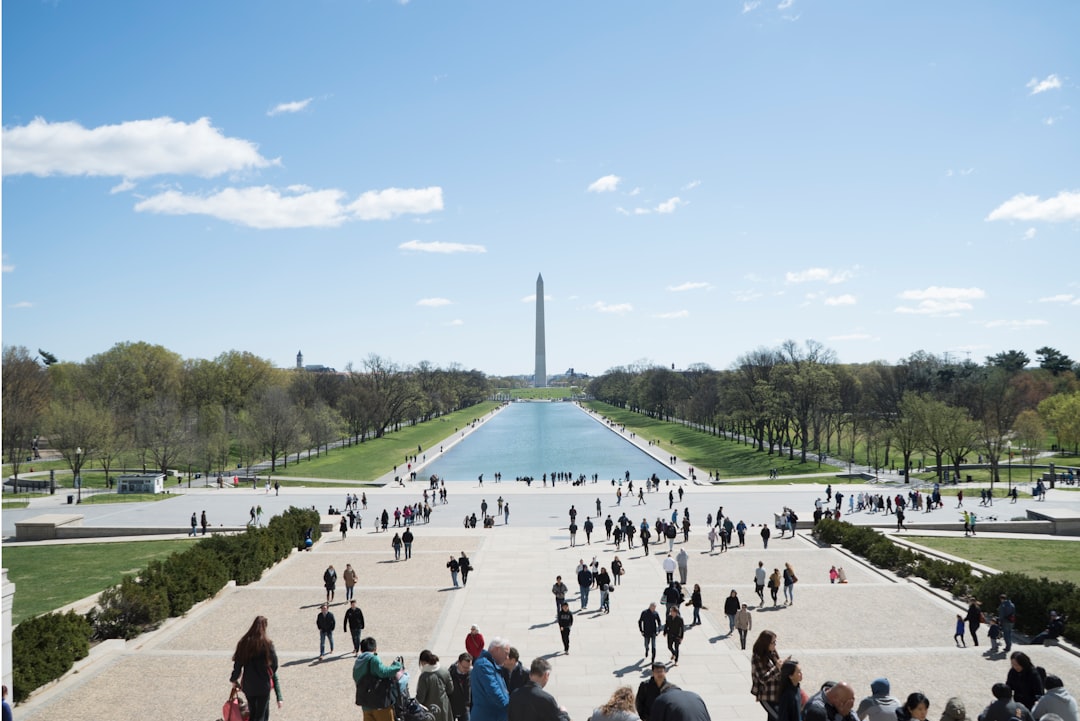
Photo by Jacob Creswick on Unsplash
What Extreme Heat Does to Your Camera Gear — and How to Protect It
The Washington DC extreme heat wave is not just dangerous for humans. Modern cinema cameras are precision instruments with operational temperature ceilings that are lower than you might expect. The BMPCC 6K Pro, one of the most popular cameras in the indie arsenal, has a specified operating temperature of 0 to 40 degrees Celsius — that is 104 degrees Fahrenheit. On a DC rooftop or a concrete plaza in direct sun this week, ambient air temperatures plus radiant heat from surrounding surfaces can push well past that threshold. The Sony FX6 and Canon EOS C70 have similar ceiling ratings. When cameras overheat, you get throttled recording, corrupted files, or a hard shutdown mid-take. None of those outcomes are acceptable on a production day.
Practical gear protection for extreme heat shooting: First, keep cameras in insulated, reflective cases between setups — a simple space blanket over your camera bag makes a measurable difference. Second, use a sunshade or follow focus matte box to shield the camera body from direct solar radiation, not just the lens. Third, point a small USB-powered fan at the camera body during longer setups. Fourth, monitor your camera's internal temperature display if it has one, and build a five-minute cooldown break into your schedule every ninety minutes of shooting.
Lenses are more temperature-tolerant than camera bodies but still vulnerable to rapid temperature changes. Moving a lens from an air-conditioned vehicle to 105-degree exterior air creates condensation and potential optical distortion. Give glass fifteen minutes to acclimate before attaching to the camera. This is especially critical for primes with tight focus calibration — a Sigma Cine Prime or a set of Rokinon DS lenses can drift focus noticeably if taken from cold storage directly into extreme heat.
Batteries are the other major casualty. Lithium-ion cells discharge faster in extreme heat, and repeated overheating degrades capacity permanently. Rotate batteries aggressively, keep spares in a cooler (not frozen — room temperature is fine, just not sun-baked), and budget for the reality that a shoot in these conditions will burn through batteries roughly thirty percent faster than your winter baseline.
Rewriting the Heat Wave: Using Extreme Weather as Story Infrastructure
Here is where I want to push back against the purely defensive posture. Every experienced indie filmmaker I know has learned that extreme location conditions, when you cannot fully control them, are almost always better incorporated than fought. The Washington DC extreme heat wave is one of the most cinematically potent real-world events happening right now. The shimmer of heat off the Reflecting Pool, the way pedestrians move differently in extreme heat — slower, seeking shade, clustering near air-conditioned doorways — the political and class dimensions of who has AC and who does not in a city as stratified as DC: all of this is extraordinary story material.
If you are in pre-production on a DC-set project right now, I would strongly encourage you to revisit your screenwriting with the heat wave as a structural element rather than a background inconvenience. Heat waves have a long literary and cinematic history as pressure-cooker devices — from Spike Lee's Do the Right Thing to Albert Camus's The Stranger — because they externalize interior psychological states with remarkable efficiency. A character making a fateful decision in 108-degree heat is a different scene than the same decision made in comfortable weather. The heat justifies irrationality, desperation, and collapse in ways that feel earned rather than contrived.
The logistical constraints of extreme-heat shooting — fewer people in public spaces during peak hours, altered crowd behavior, the visual grammar of survival — can actually simplify certain production challenges while adding documentary authenticity. A two-person documentary crew shooting DC residents navigating the heat wave right now, with a small form factor camera like the Sony ZV-E1 or even a well-configured iPhone 16 Pro, can capture footage that no amount of production design budget could replicate. That is the indie filmmaker's permanent advantage: we can move at the speed of the real world in ways that studio productions fundamentally cannot.
For a deeper dive into structuring your production logistics around challenging conditions, our film production guide covers location management, scheduling strategy, and budget contingencies in detail. The principles transfer directly to extreme weather production planning.
The DC heat wave will pass. The July Fourth weekend will end, the heat dome will eventually break, and the city will exhale. But the filmmakers who figure out how to work intelligently through these conditions — protecting their crews, protecting their gear, and finding the story inside the emergency — are the ones building the resilience that separates a long career from a short one. This industry does not reward people who wait for perfect conditions. It rewards people who make something extraordinary out of the conditions they actually have.