SuperCinema Launches as a New Independent Film Studio — What It Means for Indie Filmmakers in 2026
Every few years, something shifts in the independent film landscape that makes you stop scrolling and actually pay attention. For those of us who have spent careers navigating the brutal, beautiful, and perpetually underfunded world of indie cinema, the announcement that SuperCinema has officially launched as a new independent film studio out of Van Nuys, California, is exactly that kind of moment. It is not just another vanity production shingle or a rebranded post-production house calling itself a studio. From what has emerged in early reporting by the Van Nuys News Press, SuperCinema appears to be positioning itself as a genuine, full-service independent studio built to serve the kind of storytelling that the major streamers and legacy studios have systematically sidelined. Whether it delivers on that promise is a question we will all be watching closely — but the launch itself deserves serious examination.
What SuperCinema Is and Why It Matters
The independent film industry in 2026 exists in a paradox. There has never been more accessible technology for filmmakers — cameras like the BMPCC 6K Pro, Sony FX3, and RED Monstro have democratized image quality that would have cost a million dollars to achieve fifteen years ago. Editing tools, color grading software like DaVinci Resolve, and AI-assisted post-production pipelines have compressed timelines and budgets in ways that genuinely level the playing field on a technical level. And yet, the business side of indie film has never felt more treacherous. Streaming platforms that once seemed like a lifeline for independent voices have consolidated their content strategies around franchises, returning IP, and algorithmically safe bets. Mid-budget and micro-budget films are getting squeezed out of both theatrical windows and premium streaming real estate.
This is the environment into which SuperCinema is stepping. A new studio planting its flag in Van Nuys — a neighborhood in the San Fernando Valley with deep roots in the film and television production ecosystem — signals a practical, production-minded approach rather than a Westside entertainment industry gloss operation. Van Nuys has long been home to working crews, equipment rental houses, and the kind of below-the-line talent that actually makes movies happen. That geography matters. It suggests SuperCinema is thinking about production infrastructure, not just development deals.
For independent filmmakers, a new studio with genuine resources and distribution ambitions represents something rare: a potential partner who might actually green-light your script, co-produce your vision, and help you navigate how film distribution works in the current fractured marketplace. That is not a small thing. That is, in fact, the whole game.
The Landscape SuperCinema Is Entering
To understand SuperCinema's opportunity, you have to understand the void it is trying to fill. The last major wave of independent studio launches that actually gained traction included companies like A24, which redefined what an indie studio could accomplish aesthetically and commercially, and Neon, which carved out a distribution niche for bold international and domestic work. Both of those companies succeeded not by trying to out-spend the majors but by developing a curatorial identity that audiences and filmmakers could trust. That identity took time, consistency, and a willingness to champion films that did not fit a preset commercial formula.
SuperCinema will face the same crucible. The question is not whether there is demand for a new independent studio — there absolutely is — but whether the team behind it has the taste, the infrastructure, and the financial patience to build something lasting. Early-stage studios often collapse not from lack of vision but from lack of runway. The history of independent film is littered with shingles that burned bright for eighteen months and then went dark when the gap between development spending and actual revenue became unsustainable.
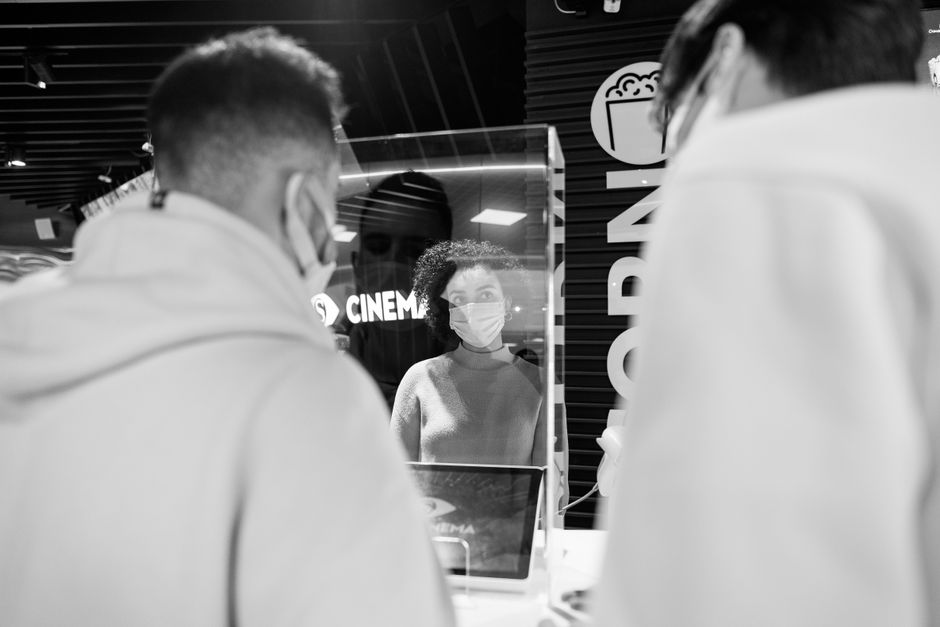
Photo by Pavel Danilyuk on Pexels
Funding Models and Structural Realities
One of the most critical variables for any new independent studio is how it is capitalized. Traditional equity financing, gap financing, pre-sales to international territories, and tax incentive arbitrage are all tools in the modern indie studio playbook. In 2026, we are also seeing increased interest in co-production treaties, particularly with European partners, as a way to unlock additional funding pools. Studios like SuperCinema, if they are structured intelligently, will likely pursue a hybrid model that combines private equity investment with project-by-project co-financing arrangements.
There is also the question of streaming deals. The major streamers — Netflix, Amazon, Apple TV+, and Max — have become essential distribution partners for independent films, but their terms have shifted considerably. License fees that once made low-budget films profitable have compressed. Savvy new studios are now negotiating carefully to retain rights windows, particularly theatrical rights, which feed ancillary revenue streams and build the kind of cultural footprint that makes a studio's brand mean something.
What Filmmakers Should Watch For
If you are an independent filmmaker evaluating SuperCinema as a potential creative home, there are specific things worth monitoring in the coming months. First, watch the slate. The first three to five films a new studio commits to will tell you everything about its genuine identity and risk tolerance. Are they backing distinctive voices with unconventional scripts, or are they gravitating toward genre exercises with clear market comps? Second, pay attention to who they hire below the line. The producers, line producers, and physical production executives a new studio brings on reveal its operational philosophy more honestly than any press release.
Third, look at their approach to talent deals. Are they offering backend participation, or is this purely a work-for-hire operation dressed up in indie clothing? Legitimate independent studios that care about filmmaker relationships structure deals that give directors and writers genuine upside. These details matter enormously for anyone considering submitting work or pitching a project.
Practical Opportunities for Independent Filmmakers
As someone who has spent years on set and in development rooms, my honest read on a launch like this is cautious optimism with active preparation. The emergence of any new studio with real resources is an opportunity that prepared filmmakers should be ready to pursue. That means having your materials in order: a polished, production-ready script, a clear visual language document — or better yet, a short film or proof-of-concept that demonstrates your voice as a director. Understanding cinematography tips for indie filmmakers is not just a creative asset; it is a business asset when you are trying to convince a new studio that you can execute at a professional level on a constrained budget.
Budget literacy is equally important. A new studio like SuperCinema will likely be operating in the one-to-ten million dollar range for most of its early projects — the classic micro-to-mid-budget indie sweet spot. Filmmakers who can demonstrate that they understand how to break down a budget, work with a UPM, and make intelligent production decisions are far more attractive partners than those who simply have a great script and no practical awareness of what it costs to shoot it. Knowing how to work with actors economically and effectively — mastering the art of directing actors on a low budget — is a skill set that directly translates to making you a viable creative partner for a resource-conscious new studio.
The Bigger Picture for Indie Cinema in 2026
SuperCinema's launch is a signal worth reading carefully in the context of 2026's broader film industry dynamics. We are in a moment of genuine recalibration. The streaming wars have cooled into an uneasy détente. Theatrical exhibition, while still structurally challenged, has shown resilience for the kinds of films that create genuine cultural events. International co-production is surging. And audiences — particularly younger audiences — have demonstrated a hunger for authentic, character-driven storytelling that the algorithm-driven content factories simply cannot satisfy at scale.
A new independent studio that positions itself correctly in this environment is not swimming against the tide. It is surfing a real wave. The question is whether SuperCinema has the board, the skill, and the nerve to stay upright long enough to build something that matters. For the independent filmmaking community, I genuinely hope they do. We need more infrastructure, more creative homes, and more distribution pipelines for the kinds of stories that do not fit inside a franchise bible. If SuperCinema becomes even a fraction of what A24 built over the last decade, it will have been worth every pixel of attention we are paying it right now.
Watch this space. And if you are a filmmaker with a project that aligns with what a bold new independent studio might be looking for, start sharpening your pitch. Opportunities like this do not announce themselves twice.