SuperCinema Launches in Burbank — And It Could Reshape Independent Film Production
When Variety broke the news that a new independent film studio called SuperCinema had quietly set up operations in Burbank, the phones in my network started buzzing almost immediately. Directors, producers, cinematographers — everyone wanted to know the same thing: is this the real deal, or just another vanity shingle with a nice press release? Having spent the better part of two decades watching studios rise, pivot, and dissolve in this industry, I've learned to read the signs. And from what we know so far about SuperCinema's structure, mandate, and location strategy, there are some genuinely compelling reasons for independent filmmakers to pay close attention.
What We Know About SuperCinema's Model
SuperCinema is positioning itself explicitly as an independent film studio — not a mini-major, not a streamer's vanity label, but a production and development entity built around the kind of filmmaker-driven work that has historically struggled to find institutional support without compromising creative control. The Burbank location is deliberate. Burbank sits at the operational heart of the Los Angeles production ecosystem, offering proximity to major post-production facilities, gear rental houses like Keslow Camera and Panavision's nearby Woodland Hills operation, and a deep bench of union and non-union crew talent who understand the rhythms of both studio and independent work.
What separates SuperCinema from the wave of boutique production companies that emerged during the streaming gold rush of the early 2020s is the reported emphasis on infrastructure. According to Variety's coverage, the studio is investing in physical production space — soundstages, practical sets, and on-site post capabilities. For independent filmmakers who have spent years cobbling together workflows across rented locations, borrowed edit suites, and cloud-based DIT stations, the prospect of a single facility designed around indie-scale productions is significant. It changes the math on budgeting, scheduling, and creative risk-taking in ways that matter at the $500,000 to $5 million budget range where most serious independent work actually lives.
The Filmmaker-First Infrastructure Question
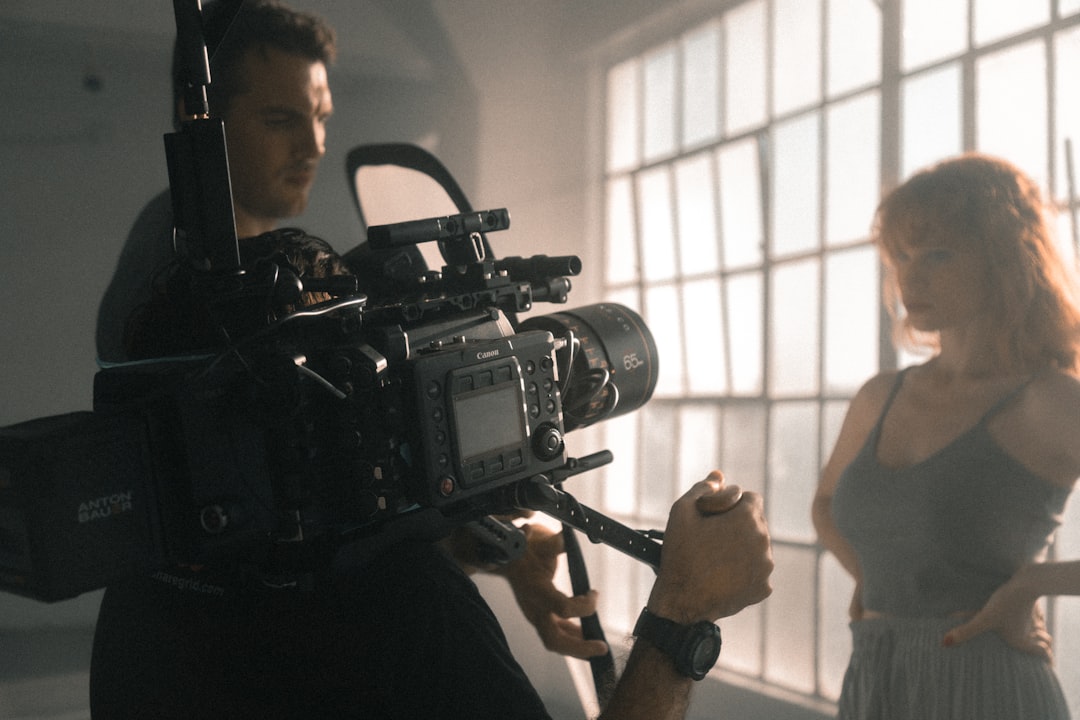
Let's be specific about what infrastructure means at this level. On a typical independent shoot, a cinematographer working with an ARRI Alexa 35 or a Sony VENICE 2 is coordinating with a rental house that may be across town, a colorist who works remotely, and a sound mixer who brings their own rig and prays the location has clean power. Every one of those logistical friction points costs money and erodes creative bandwidth. A purpose-built indie studio with integrated camera prep, a machine room, and ADR capability on the same lot doesn't just save line items — it creates the conditions for better filmmaking decisions. If SuperCinema delivers on that promise, it becomes a genuine resource rather than just a brand.
The development side is equally worth scrutinizing. Independent studios that invest in script development — real development, with story editors and turnaround policies that don't trap writers — are rare. Most independent production entities function as packaging operations, acquiring finished or nearly-finished screenplays and attaching talent before selling to a distributor or streamer. If SuperCinema is building an internal development pipeline, that changes the value proposition for screenwriters significantly. Understanding how to write your first screenplay is one thing; having a studio infrastructure that can shepherd that material from draft to greenlight without the writer losing authorship is something most indie filmmakers have never experienced.
Why Burbank Is the Right Zip Code for This Bet
Location in the film industry is never accidental, and SuperCinema's choice of Burbank over, say, downtown Los Angeles or the increasingly production-friendly Atlanta corridor tells us something about their strategic logic. Burbank is where Warner Bros., Disney, and NBC Universal maintain massive operations, which means the local labor pool is sophisticated and the permitting infrastructure is mature. But more practically for an indie studio, Burbank's ecosystem of smaller vendors — lighting and grip houses, prop rental facilities, practical location scouts who know the San Fernando Valley inside out — means that a production of six to ten million dollars can move efficiently without the coordination overhead that larger markets impose.
There's also a talent magnet argument. Los Angeles-based directors and writers who have historically taken studio deals because they wanted the security of working within an established infrastructure may now have a third option: a studio-grade facility with an independent creative mandate. That's a meaningful pitch to mid-career filmmakers who are tired of the development treadmill at the majors but haven't wanted to give up the resources that studio adjacency provides. I've had that exact conversation with three directors I respect enormously over the past eighteen months, and the appetite for exactly this kind of hybrid model is real.
The Distribution Question Looms Large
Any conversation about a new independent studio in 2026 has to reckon with distribution, because the theatrical and streaming landscape has shifted dramatically enough that a production pipeline without a clear distribution strategy is a recipe for expensive inventory that no one sees. Understanding how film distribution works in the current environment is non-negotiable for any filmmaker considering a relationship with SuperCinema or any emerging studio. The old model — make the film, sell it at Sundance or Toronto, let a distributor handle the rest — has been complicated by the consolidation of streaming platforms, the uneven recovery of theatrical exhibition, and the rise of hybrid release windows that require producers to negotiate terms they weren't trained to evaluate.
SuperCinema will need to articulate its distribution relationships clearly and early. Whether that means output deals with a platform like MUBI or A24's distribution arm, a first-look arrangement with one of the remaining theatrical distributors, or a more experimental direct-to-audience model, the answer will define what kinds of projects are genuinely viable within their slate. For filmmakers evaluating the studio as a potential home, this is the question that should come before any conversation about production facilities or development deals.
What This Means for Independent Filmmakers Right Now
For working filmmakers — directors prepping projects, cinematographers looking for creative partnerships, producers building slates — SuperCinema's launch is worth monitoring for several concrete reasons. First, new studios at this stage typically move quickly to establish their identity, which means submission windows, fellowship programs, or first-look deals may open in the near term. Getting your materials in professional shape now is simply good practice regardless of this specific opportunity, but the timing has sharpened the urgency for a lot of people in my circle.
Second, the kind of work SuperCinema appears positioned to support — character-driven narratives, genre films with authorial voice, documentary features with theatrical ambitions — is exactly the territory where craft matters most and budgets demand efficiency. Cinematographers who have mastered the ARRI Alexa 35's low-light performance for intimate drama, or who can design a lighting package for a contained thriller that reads as premium on a fraction of a studio budget, are going to be in demand. The same applies to writers who understand that writing better dialogue is what makes a contained, low-location script feel rich rather than cheap. These are the craft fundamentals that an independent studio at SuperCinema's stated level will be looking for.
Third, and perhaps most importantly, SuperCinema's arrival signals a broader shift in the independent film ecosystem. The consolidation hangover from the streaming wars has created a genuine vacuum at the mid-budget independent level — the space between a $200,000 microbudget feature and a $30 million platform film. Studios that can operate credibly in the $1 million to $8 million range, with real infrastructure and real distribution relationships, are what the industry has been missing. Whether SuperCinema fills that vacuum or becomes another cautionary tale depends entirely on execution.
Watching SuperCinema: What to Look For Next
The indicators I'll be watching over the next twelve months are specific. First, the greenlight: which project does SuperCinema announce as its inaugural production, and what does that film say about their creative mandate and risk tolerance? A bold debut feature from a first-time director signals genuine filmmaker-first values. A celebrity-driven package signals that the indie positioning is marketing rather than mission. Second, the crew and collaborator announcements: which cinematographers, editors, and production designers attach to early projects? Creative talent votes with their schedules, and the names that sign on first will tell us a great deal about how the industry perceives SuperCinema's legitimacy. Third, the development announcements: are writers talking about positive experiences in the room? The indie film community is small and communicative, and word travels fast when a studio is either genuinely supportive or quietly extracting material without compensation.
Burbank has been home to some of the most powerful studios in film history. Whether SuperCinema joins that legacy or simply occupies its geography for a few years is a question 2026 is only beginning to answer. But the launch itself is a signal worth heeding — that someone, somewhere, believes there is still a viable, sustainable, filmmaker-driven middle ground in the American film industry. For those of us who have been making independent films long enough to remember when that middle ground was crowded and vital, that belief feels worth supporting.