
Rodney Charters ASC, the Cinematographer Who Defined 24, Dies at 80
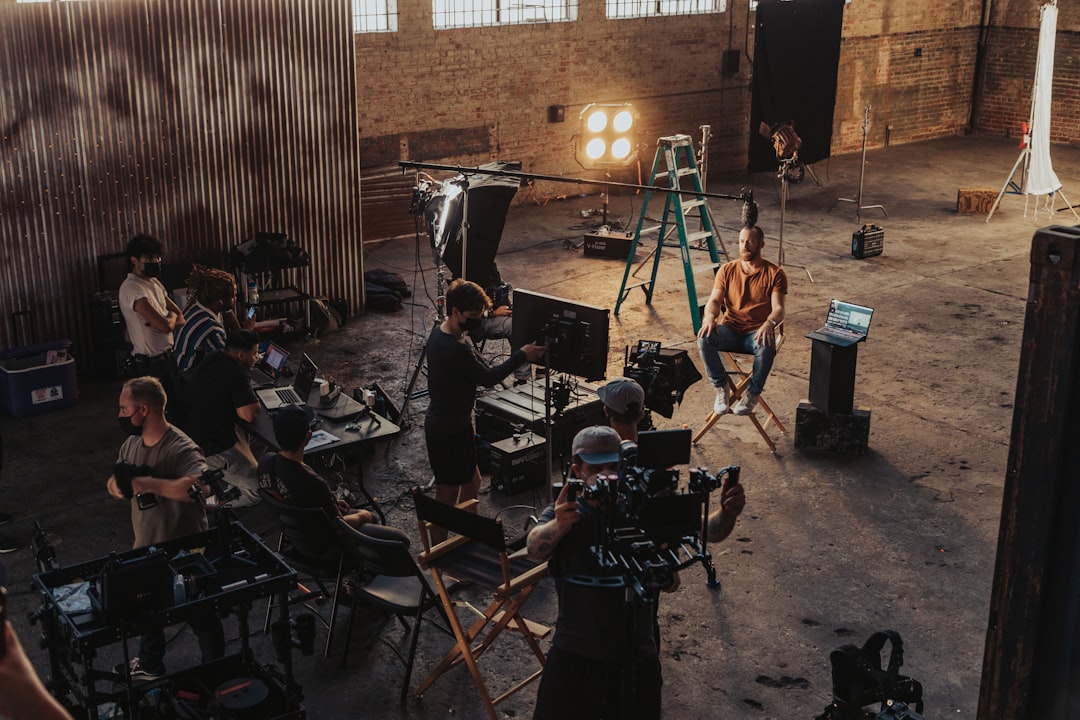
The filmmaking community lost one of its most influential visual voices in 2026 with the passing of Rodney Charters, ASC, the Australian-Canadian cinematographer best known for his groundbreaking work on the Fox thriller series 24. He was 80 years old. Charters did not simply photograph television — he helped reinvent what the medium could look like, feel like, and mean to an audience. For those of us who have spent careers behind a camera, or even just studying the craft with obsessive devotion, the news carries a particular weight. This was someone who understood that cinematography is never decoration. It is argument.
A Career That Shaped the Visual Language of Modern Television
Rodney Charters was born in New Zealand and built his early career shooting commercials and documentary work before transitioning into narrative television and film. By the time he joined 24 in 2001 as one of its principal directors of photography, he was already a seasoned craftsman with a restless creative intelligence. What he brought to that show, however, was something that the industry had not quite seen applied to episodic television at that scale: a unified, visceral visual strategy designed to amplify story and character rather than simply record them.
24 demanded a visual language that could sustain tension across 24 episodes, each representing a real-time hour in protagonist Jack Bauer's day. Charters and the production team made bold choices — handheld camera work that felt genuinely kinetic rather than affected, naturalistic lighting that grounded an otherwise heightened thriller premise, and aggressive use of split-screen that became one of the show's signature aesthetic marks. These were not gimmicks. Each decision served the story's relentless forward momentum. Watching those early seasons today, the cinematography still holds. It does not feel dated. That is the mark of a DP who was thinking structurally about visual grammar, not just chasing trends.
Charters earned his American Society of Cinematographers membership — the ASC — a distinction awarded not by application but by invitation from peers, and one that reflects sustained excellence and contribution to the craft. He was also a vocal educator and advocate, frequently speaking at industry events, contributing to cinematography publications, and engaging with emerging filmmakers through workshops and panels. He understood that the knowledge he had accumulated was not just his to keep.
The Technical Choices That Made 24 Look Like Nothing Else
To appreciate what Charters accomplished on 24, it helps to remember the technological moment. The show launched in the fall of 2001, shooting on 35mm film with some of the early digital camera experiments being folded in as the series evolved. Charters was an early and enthusiastic adopter of digital acquisition tools when the image quality warranted it, and he became one of the more articulate voices in the industry on the practical trade-offs between film and digital capture during the medium's most volatile transition period.
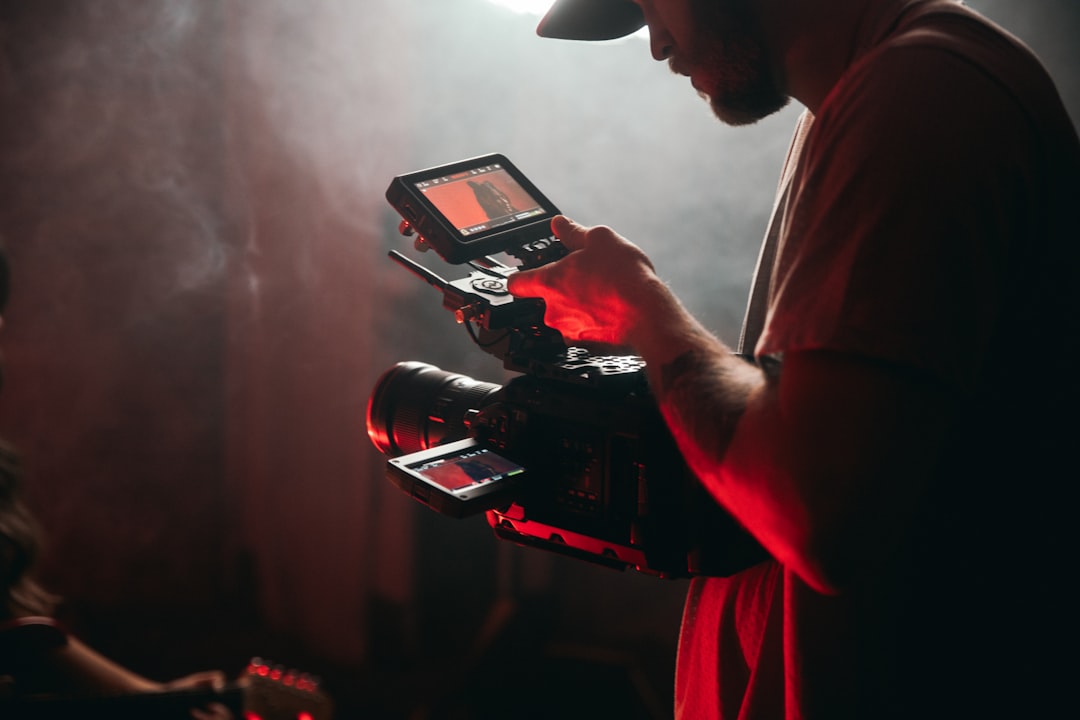
Photo by Kyle Loftus on Unsplash
Handheld as Storytelling, Not Aesthetic Noise
One of the lessons Charters modeled consistently across his work — and one I have tried to internalize in my own productions — is the distinction between handheld camera work that serves a scene and handheld work that simply signals intensity without earning it. On 24, the camera moved because the characters were under pressure, because the world was unstable, because certainty was always provisional. When Charters locked the camera down, you felt it. The contrast was doing dramatic work. Too many indie productions today use handheld as a default stylistic choice, a way to suggest urgency that the script and performance have not yet established. Charters was doing the opposite: he was letting story dictate form, frame by frame.
Lighting Under Production Pressure
Television production schedules are punishing. A drama series DP on a network show in the early 2000s might be expected to shoot eight or more pages a day across locations that change constantly. Charters developed a reputation for working efficiently under pressure without sacrificing visual quality — a skill that resonates deeply with indie filmmakers operating on constrained budgets and compressed schedules. His approach to practical lighting, using available sources augmented and shaped rather than replaced by artificial rigs, informed a generation of DPs who could not afford the luxury of spending three hours on a lighting setup. You learn to see what is already there. You learn to work with the room rather than against it.
This practical philosophy connects directly to conversations we have constantly in independent filmmaking about resource allocation. What a film producer actually does, in large part, is protect the conditions that allow a DP like Charters to make those decisions thoughtfully — securing locations, managing schedules, ensuring the camera department has what it needs to execute the visual plan without improvising under duress. The collaboration between a strong producer and a strong cinematographer is where visual ambition becomes achievable reality.
What Independent Filmmakers Can Learn From Charters' Philosophy
Rodney Charters gave numerous interviews over the years in which he was remarkably candid about process, mistake, and evolution. He did not perform certainty. He talked about shots that did not work, approaches he abandoned mid-production, and the ongoing negotiation between what you plan and what the set gives you. That intellectual honesty is itself a lesson for anyone making films outside the studio system, where the margin for error is thin and the temptation to over-plan as a form of anxiety management is constant.
For indie filmmakers, the Charters model is ultimately about intentionality at every level of production. Cinematography does not begin when the camera rolls. It begins in conversations with the director about what the story is actually saying emotionally, about what each scene needs to communicate that the dialogue alone cannot carry. This is why the relationship between cinematographer and director is so foundational — and why understanding directing actors on a low budget is inseparable from understanding how the camera relates to performance. Charters talked about this connection repeatedly. The camera is not separate from the actors. It is in relationship with them, and that relationship has to be choreographed with the same care as the dialogue.
Speaking of dialogue — and this might seem like an unexpected detour in a piece about a cinematographer — Charters frequently noted in interviews that the scripts he most enjoyed shooting were the ones in which the words were doing precise, specific work. A scene with writing better dialogue creates natural visual opportunities because the subtext generates spatial and compositional tension that a DP can work with. Vague writing produces vague images. Precise writing gives a cinematographer something to push against, illuminate, or complicate.
A Legacy That Lives in Every Frame-Conscious Filmmaker
Rodney Charters' influence is difficult to quantify precisely because it is so thoroughly absorbed into the current visual culture of prestige television and independent drama. The shows that followed 24 — the wave of kinetic, handheld-inflected procedurals and thrillers that dominated the mid-2000s through the 2010s — owed a significant debt to the visual blueprint that Charters and the 24 team established. Many of the DPs working in episodic television today studied that show as a master class in sustained visual coherence under production pressure.
He was also one of the DPs who engaged seriously and early with the digital camera revolution, contributing to industry discussions about the Sony F900, the Arri Alexa's predecessors, and the evolving relationship between on-set monitoring and post-production workflows. For cinematographers navigating a gear landscape that continues to shift dramatically in 2026 — with AI-assisted color science, virtual production LED volumes, and increasingly capable mirrorless systems entering professional workflows — Charters' approach to new tools was instructive: evaluate on the basis of what serves the image and the story, not what generates the most excitement at trade shows.
His ASC membership was not merely honorary. He served the organization actively, participated in its education initiatives, and contributed to the mentorship of younger cinematographers who are now, themselves, established voices in the field. That chain of transmission — master to apprentice to master — is how craft knowledge survives and evolves. It is how the lessons embedded in a single extraordinary career become available to filmmakers who never met the person who developed them.
Rodney Charters, ASC leaves behind a body of work that rewards close study, a community of practitioners he shaped through teaching and example, and a visual legacy that anyone who has ever watched 24 has already experienced without necessarily knowing his name. In the credit sequence, in the texture of the image, in the way the camera moved through a ticking-clock narrative with purpose and intelligence — that was Charters at work. The craft was always in service of the story. That is the only lesson that finally matters, and he taught it with uncommon clarity for the better part of five decades.
Our thoughts are with his family, his collaborators, and the broader cinematography community mourning one of its most significant voices.