Rayan Rupert's Two-Way Contract and the Indie Filmmaker Hustle: What the NBA Can Teach You About Breaking Into the Industry
When news broke in 2026 that the Philadelphia 76ers had agreed to sign Rayan Rupert to a two-way contract, most people outside the NBA bubble barely blinked. But I did — and not because I'm a basketball obsessive. I blinked because I've spent the better part of two decades working in independent film, and Rupert's career trajectory hit me like a perfectly timed cut on the edit timeline. The man is doing exactly what every serious indie filmmaker should be doing right now: playing a long game, staying versatile, and accepting the unconventional path as the only viable one.
Understanding the Two-Way Contract and Why It Matters Beyond Basketball
For the uninitiated, an NBA two-way contract is a hybrid deal that allows a player to split time between an NBA roster and its G League affiliate. It's not a full guaranteed contract. It's not the dream. But it's a foothold — a legitimate, professional foothold that keeps a player in the orbit of the highest level of their craft while continuing to develop, prove themselves, and wait for the right opportunity to open up fully.
Rayan Rupert, the French-born wing who played his college ball at NC State before entering the league, has been exactly the kind of developmental talent that organizations bet on with these contracts. He's athletic, long, defensively capable, and still refining his offensive toolkit. The Sixers are essentially saying: we see something real here, and we want to keep you close while the full picture develops.
Sound familiar? It should. Because this is the story of virtually every serious independent filmmaker I've ever met — including myself in the early years. You're talented. People see it. But the full contract, the studio green light, the distribution deal — those aren't coming yet. What you get instead is the two-way: a short film that gets into Sundance's shorts program, a micro-budget feature that lands on a streaming platform with a modest deal, a commercial directing gig that pays the bills while you're writing your passion project on weekends.
The G League Equivalent in Independent Film
The G League — the NBA's official developmental league — is a place where players sharpen skills, face real competition, and stay game-ready. It's not glamorous, but the best players treat it like a laboratory. If you're an indie filmmaker and you haven't identified your own G League equivalent, you're already behind.

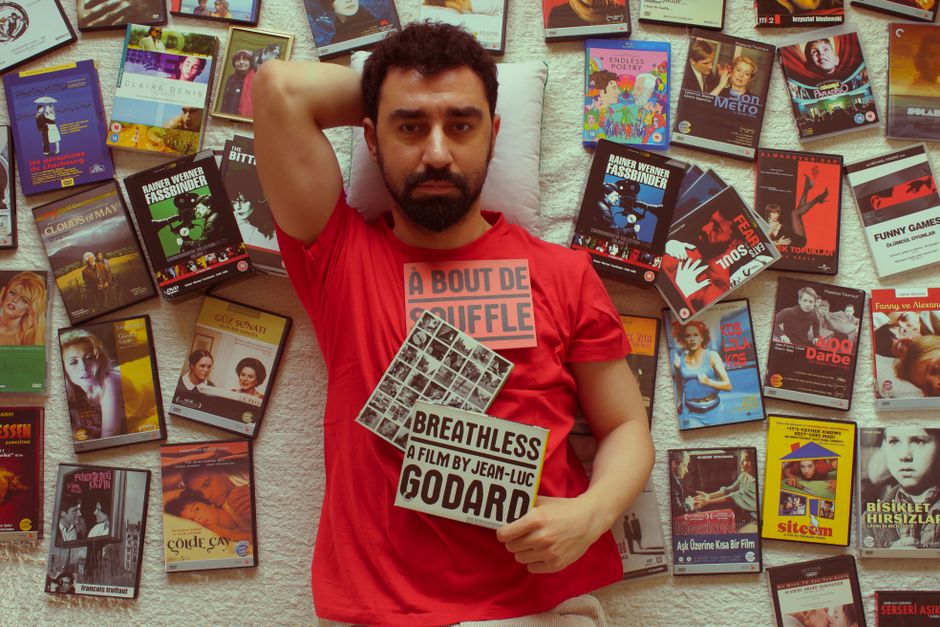
Photo by Tima Miroshnichenko on Pexels
In practical terms, your G League is the festival circuit. It's the 48-hour film challenge. It's the web series you shoot on a Sony FX3 with a skeleton crew of three people who all believe in what you're building. It's the music video you direct for a local artist that lets you experiment with anamorphic lenses and lighting ratios you've been reading about in theory. I've directed commercials in the G League. I've shot corporate training videos in the G League. None of it was glamorous, but all of it was real reps.
Practical Tools for Staying Game-Ready
Just as Rupert works on his shot mechanics and defensive footwork between NBA call-ups, filmmakers need to be constantly developing their craft toolkit. Right now in 2026, the accessible gear landscape has never been more democratized. Cameras like the Blackmagic Design Cinema Camera 6K and the Sony BURANO have brought cinema-quality image capture within reach of independent productions. DaVinci Resolve remains the gold standard for color grading and editing at the indie level, and its free tier is genuinely competitive with paid alternatives.
On the writing side, tools like Final Draft 13 and Fade In Pro keep your screenwriting tips flowing and your pages professional. Don't neglect the craft of writing while you're grinding on set — the best director-writers in independent film history, from John Cassavetes to Kelly Reichardt, understood that the script is where the movie is truly made or broken. Stay sharp on both sides of the camera.
Building a Festival Strategy That Works Like a G League Season
A G League season has structure — games, development targets, evaluation windows. Your festival strategy needs the same architecture. Submit your work to tiered festivals strategically: lead with your strongest regional festivals to build momentum, then target the mid-tier nationals like Tribeca, SXSW, and Nashville Film Festival before swinging for Sundance or Berlin. Use FilmFreeway's analytics to track submission ROI. Treat every screening like a game tape review — what worked, what didn't, how do you adjust?
Versatility Is the Currency of Both Leagues
What makes Rayan Rupert valuable on a two-way contract is his versatility. He can guard multiple positions, contribute in transition, and fill a lineup need without demanding a star's role. In the Sixers' system, that makes him deployable. In film, deployability is everything when you're still building your name.
The indie filmmakers I've watched successfully navigate from micro-budget obscurity to legitimate industry recognition all shared one trait: they could do more than one thing well. They could shoot and direct. They could write and produce. They understood sound design enough to have intelligent conversations with their post-production mixers. They knew enough about the business of film — deal structures, distribution windows, P&A budgets — to sit at a table with producers and not get taken advantage of.
This is where a solid film production guide becomes essential reading early in your career, not as a substitute for experience, but as a framework that helps you ask better questions when you're in the room. Rupert didn't just walk into NBA training camps without knowing the playbook. He prepared. He studied. So should you.
The Long Game: Patience as Professional Strategy
Here's the uncomfortable truth that sports and film share equally: almost nobody gets the full contract on their first shot. Rupert has worked through the developmental process, and the Sixers' decision to bring him in on a two-way deal in 2026 represents organizational faith earned over time, not handed out freely. That's real. That's how it works.
In independent film, I've seen too many talented people burn out or pivot away because they expected the industry to recognize their genius immediately. They made one strong short film, got decent festival buzz, and then expected the feature offers to flood in. When they didn't, the disillusionment set in fast. The directors who are still working — the ones I genuinely respect — are the ones who kept shooting, kept writing, kept learning the technical language of the craft.
Understanding cinematography basics isn't just a technical exercise — it's a career investment. When you can speak fluently with your Director of Photography about color temperature, depth of field, and lens character, you become a better collaborator and a more hireable director. The more you know, the more deployable you are. The more deployable you are, the more two-way contracts you can earn while you're waiting for the full roster spot.
Rupert's deal with Philadelphia is also a reminder that geography and organizational fit matter enormously. The Sixers aren't just a basketball team — they're an ecosystem. The right ecosystem in film might mean relocating to a city with an active production community, joining a filmmaker collective, or attaching yourself to a producer whose taste aligns with yours and who has genuine industry relationships. The two-way contract only works if the organization behind it is invested in your development.
Find your Sixers. Find the producer, the distributor, the creative partner who sees your potential clearly enough to make a bet on it — even if that bet looks modest from the outside. The modest bet, honored well, often leads to the full investment. That's as true in the NBA as it is in the independent film economy of 2026.
Rayan Rupert is playing the long game with discipline and professionalism. The next time you're frustrated by a small opportunity, a limited budget, or a deal that feels like less than you deserve — remember the two-way contract. Take the reps. Stay ready. The call-up comes to the players who are already playing.