Pakistan vs Netherlands: What Indie Filmmakers Can Learn From Capturing Global Sport Rivalries on Camera
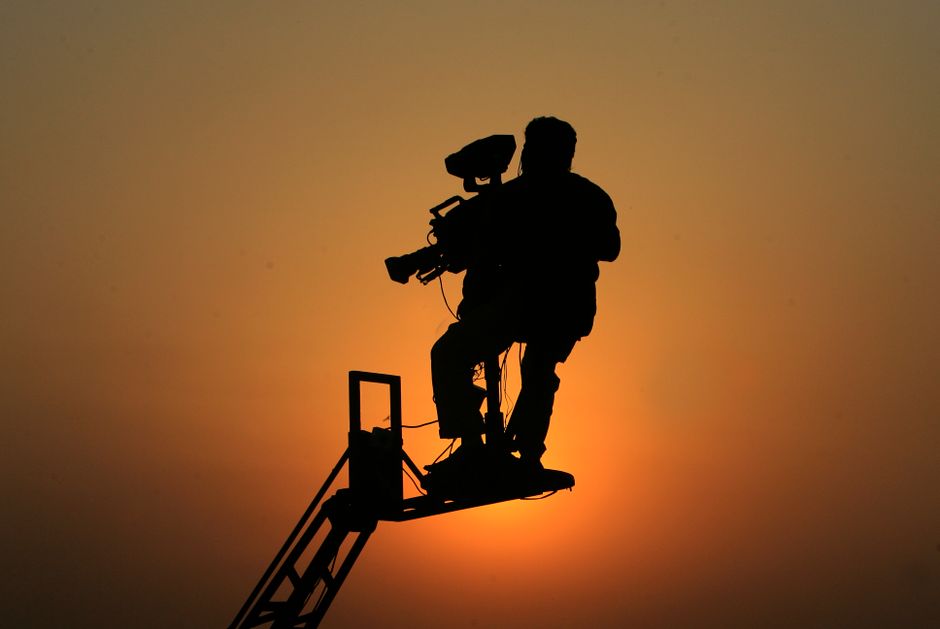
When Pakistan opted to bat against Netherlands in Match 26 of the ICC Women's T20 World Cup 2026 on June 27, the cricketing world leaned in. For me, though, sitting courtside with a Sony FX3 and a 70-200mm telephoto, the moment was less about run rates and more about what every indie filmmaker instinctively recognises: raw, unscripted human drama unfolding in real time. The PAK-W vs NED-W encounter wasn't just a cricket match — it was a masterclass in tension, identity, cultural pride, and underdog resilience. These are the exact ingredients that make the most compelling documentaries and narrative films. And for independent filmmakers willing to learn from the sporting world, there is no better classroom than a live international match.
Why Global Sport Rivalries Are a Goldmine for Independent Filmmakers
Sport has always been cinema's secret weapon. From Lagaan to Fire in Babylon to Senna, the greatest sports films succeed not because of the game itself, but because of the stories orbiting it. The Pakistan vs Netherlands Women's T20 World Cup match is a perfect microcosm of this truth. Pakistan, a powerhouse in South Asian cricket culture, lining up against a Dutch side that represents a scrappy, tactically disciplined European approach — the contrast alone is cinematic shorthand for conflict.
As an indie filmmaker, I've spent years chasing exactly these kinds of culturally loaded moments. When you're operating on a limited budget without the infrastructure of a broadcast network, you have to think like a storyteller first and a technician second. The match between Pakistan Women and Netherlands Women in 2026 gave us everything: a passionate crowd, underrepresented athletes on a global stage, geopolitical subtext, and the visceral unpredictability of T20 cricket. That's a pitch deck that writes itself.
The key lesson here is to stop waiting for permission to document compelling stories. Sport — especially women's international sport — remains chronically underdocumented by independent filmmakers. The ICC Women's T20 World Cup 2026 is a historically significant event, and there are hundreds of micro-stories happening around every single match. The players' journeys to get there, the coaching staff's tactical preparation, the fans who've travelled across continents, the young girls watching from home — all of it is narrative material waiting for a filmmaker with the vision to frame it correctly. Check out our screenwriting tips for guidance on structuring these multi-layered stories into a coherent arc.
Identifying the Story Within the Story
The Pakistan vs Netherlands fixture is rich with layered narratives. On one level, it's a sporting contest. On another, it's about Pakistan's women cricketers navigating a complex cultural landscape to compete on the world stage — something that requires courage that goes well beyond athletic ability. The Netherlands, meanwhile, represent a growing cricketing nation where the sport is still finding its mainstream footing. Neither team's journey is simple, and that complexity is exactly what a documentary filmmaker should be excavating.
When I approach a sports documentary project, I use a three-act structure just as I would with any narrative screenplay. Act one establishes the world and introduces our protagonists — who are these athletes, what do they want, what's standing in their way? Act two deepens the conflict through training montages, interviews, and the match itself. Act three delivers resolution, win or lose, through the emotional aftermath. This structure is timeless because it mirrors the structure of sport itself. The ICC Women's T20 World Cup 2026 gave us a ready-made three-act story with Pakistan and Netherlands as two very different kinds of protagonists.
Cinematography Techniques for Capturing Live Sport on an Indie Budget
Let's get practical. Filming a live cricket match without press credentials or broadcast infrastructure is a genuine challenge, but it's absolutely doable with the right gear and approach. For the kind of intimate, character-driven documentary footage that distinguishes indie sports films from broadcast coverage, you actually have a significant advantage over the broadcast teams: you can get close to the human beings involved.
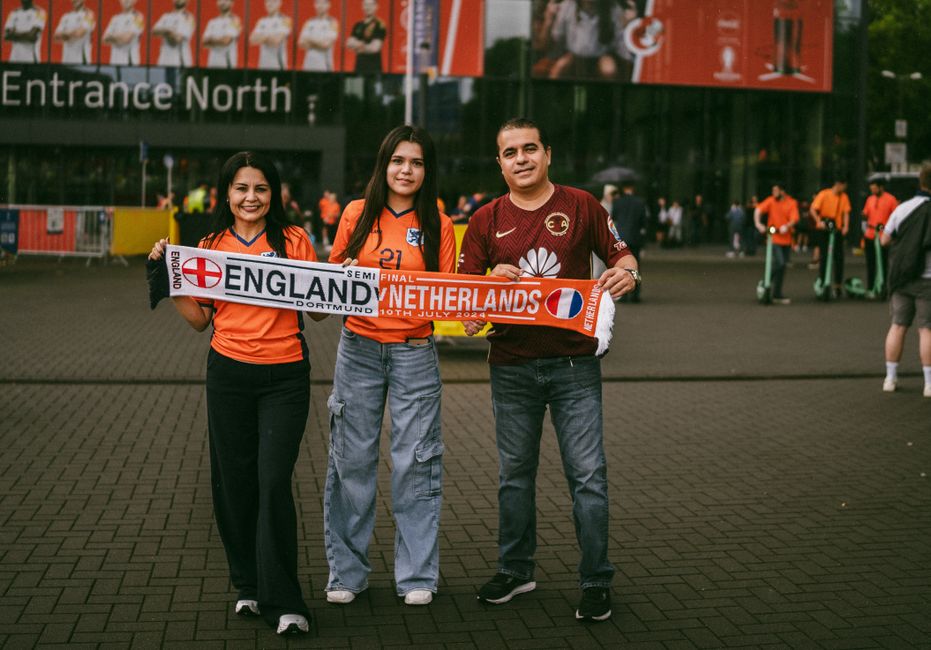
Photo by Omar Ramadan on Pexels
My go-to setup for live sport in 2026 is built around the Sony FX3 paired with a Tamron 70-180mm f/2.8 Di III VXD lens. The combination gives you optical reach, fast autofocus via Sony's real-time tracking, and a compact form factor that doesn't spook interview subjects or attract security attention in the way a shoulder-mounted rig would. For slower, more observational footage — fans in the stands, team warm-ups, the quiet moments before the toss — I'll switch to a 35mm or 50mm prime and work handheld. The organic instability of handheld footage communicates authenticity in a way that a gimbal-smoothed shot never quite achieves.
Audio is where most indie sports filmmakers fall down. A cricket ground is a complex sonic environment: crowd noise, the crack of bat on ball, the distant PA system, ambient chatter. For capturing player and coach interviews on location, I use a Rode Wireless PRO system clipped to the subject's collar. For atmospheric crowd audio, a Zoom F6 with a pair of spaced omni microphones mounted discreetly at pitch level captures the spatial depth of a stadium crowd in a way that single-mic setups simply cannot replicate. These foundational choices — the gear, the angles, the audio design — are explored in depth in our cinematography basics guide, which I'd recommend as essential reading for anyone approaching a project like this.
Working With Access Restrictions at International Events
Here's the reality: as an indie filmmaker, you are unlikely to receive the same pitch-side access as a broadcast partner of the ICC. But this constraint should reshape your creative approach rather than defeat it. Some of the most powerful sports documentaries ever made were shot entirely outside the official perimeter. The fan experience, the street-level culture around a big match, the community watching on screens in a local dhaba or a Rotterdam sports bar — this is where indie filmmakers can go that broadcast cameras never will.
For the Pakistan vs Netherlands Women's T20 World Cup match, the story of Pakistani fans gathering to watch their national women's team compete internationally is itself a profound documentary subject. Capturing that in real time, with a small crew of two or three people and a run-and-gun production approach, is entirely achievable. A Canon EOS R5 C paired with a wide zoom like the Canon RF 15-35mm f/2.8 L IS USM handles mixed lighting beautifully — crucial when you're moving between outdoor street locations and dimly lit indoor viewing parties. Our comprehensive film production guide covers exactly how to plan and execute this kind of nimble, access-limited production without sacrificing production value.
Structuring Your Sports Documentary for the Film Market
Let's talk business, because a great story told beautifully is only half the equation. In 2026, the sports documentary market has never been more robust. Streaming platforms — from Netflix and Apple TV+ to DAZN and regional broadcasters — are actively acquiring compelling sports documentaries, and women's sport in particular has become a priority acquisition category following decades of underinvestment. The Pakistan vs Netherlands Women's T20 World Cup story sits at a fascinating intersection: women's cricket, South Asian diaspora identity, the growth of cricket in non-traditional markets like the Netherlands, and the broader global expansion of the ICC's women's programme.
When pitching a sports documentary in this space, the framing matters enormously. Don't pitch it as a cricket film — pitch it as a human story that happens to unfold on a cricket field. The target audience for a documentary about Pakistan Women vs Netherlands Women in the ICC T20 World Cup 2026 is not solely cricket fans. It's audiences interested in immigration and identity, women in sport, South Asian culture, and the globalisation of sport. Broaden your pitch accordingly, and you immediately expand the pool of potential buyers and funders.
Festival strategy is also critical. Films dealing with sport and social identity have strong track records at documentary festivals like IDFA, Hot Docs, and Sheffield DocFest. Getting into one of those festivals before approaching streaming buyers gives you both credibility and leverage. Build your edit with a 90-minute feature cut and a 45-minute short version — broadcasters often need both, and having both ready demonstrates professional preparedness that indie filmmakers sometimes neglect.
The Cultural Responsibility of Filming Underrepresented Athletes
I want to close on something that goes beyond technique and business strategy, because it matters enormously. When you choose to document athletes like the Pakistan Women's cricket team or the Netherlands Women's squad at a major ICC event, you are taking on a form of cultural responsibility. These are women whose stories have been overlooked, minimised, or outright ignored by mainstream sports media for years. The way you frame them — the questions you ask, the moments you choose to hold on, the music you lay beneath their footage — shapes how audiences perceive and value them.
The Pakistan vs Netherlands Women's T20 World Cup 2026 match is a moment in history for both nations' women's cricket programmes. As indie filmmakers, we have the freedom and the agility to document that history with the depth and nuance it deserves. Broadcasting partnerships and big-budget sports networks will capture the surface of what happened on June 27. Our job — if we choose to take it — is to capture everything underneath.
Sport and cinema have always shared the same essential currency: the moment where human beings are tested, and we get to watch how they respond. Pakistan opting to bat, Netherlands taking the field, two nations' worth of hope and history condensed into twenty overs — that's not just a cricket match. In the hands of the right filmmaker, it's a feature documentary waiting to exist. Pick up your camera.