Leonardo DiCaprio and Christian Bale Are Reheating Hollywood — And Every Indie Filmmaker Should Be Paying Attention
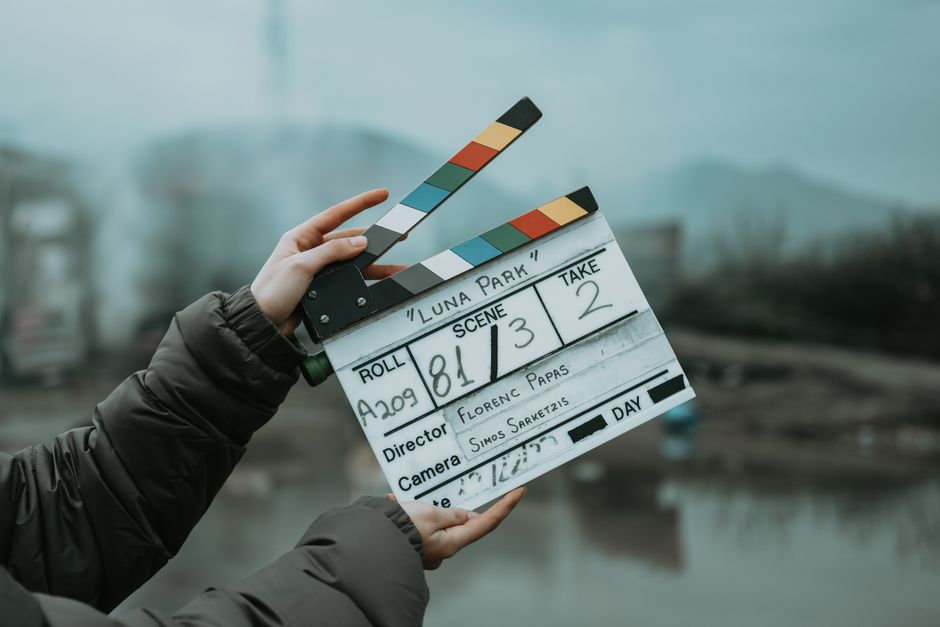
When the news broke in early 2026 that Leonardo DiCaprio and Christian Bale had both officially signed on for Heat 2 — with production scheduled to begin in November — the reaction across the film world was immediate and visceral. For mainstream audiences, it was the return of a franchise they had waited decades for. For those of us who work in independent film, it was something else entirely: a masterclass in how legacy, craft, and strategic patience can converge into a cultural event. I have been covering film production for over fifteen years, and I can count on one hand the projects that have made me stop mid-scroll and genuinely reconsider what cinema can still mean in 2026. Heat 2 is one of them.
The Weight of the Original: Why Heat Still Matters to Filmmakers
Michael Mann's 1995 original Heat is not just a beloved crime film — it is a structural and tonal blueprint that cinematography students, screenwriters, and directors still dissect in classrooms and on set monitors around the world. The coffee shop scene between Al Pacino and Robert De Niro remains one of the most studied dialogue exchanges in modern American cinema. It is quiet, precise, and terrifyingly efficient. Mann built tension not through chaos, but through economy — a lesson that is almost paradoxically more relevant for low-budget independent filmmakers than for studio productions with unlimited resources.
What made Heat work was not the scale. It was the specificity. Mann researched actual heist crews, embedded himself with law enforcement, and brought a documentary-level rigor to every scene. That approach — treating your subject with genuine respect and doing the work before the camera rolls — is exactly the kind of discipline outlined in any solid screenwriting tips resource. The script earned its runtime. The sequel, adapted from Michael Mann and Meg Gardiner's 2022 novel, has that same foundation to build from.
What the Novel Tells Us About the Script's Structural Ambitions
The source novel for Heat 2 is a prequel-sequel hybrid — a structural choice that is genuinely bold for a franchise that could have taken the easy route. It expands the mythology both backward in time and forward past the original film's conclusion. From a screenwriting standpoint, this kind of dual timeline architecture requires extraordinary discipline. You have to honor the emotional geography of the original while simultaneously creating entry points for new audiences. That is an enormous ask, and it is one that even seasoned writers struggle to execute. Whether Mann and his collaborators have pulled it off will be one of the most scrutinized questions when the film eventually releases.
DiCaprio and Bale: Casting as a Production Statement
The casting of Leonardo DiCaprio and Christian Bale is not just star power — it is a philosophical statement about the kind of film Mann intends to make. Both actors are known for extreme commitment to character preparation. DiCaprio spent months embedded with researchers for The Revenant. Bale famously transformed his body multiple times across his career, from The Machinist to Batman Begins to Vice. When you put those two performers in the same room under Mann's direction, you are not just casting a film. You are assembling a pressure system. And pressure, when it is controlled, produces diamonds.
Photo by Paul Lichtblau on Pexels
Production Realities: What a November 2026 Start Date Signals
Filming beginning in November is a telling logistical detail. Late-year production starts on major studio films often indicate one of two things: a carefully negotiated awards-season runway, or a complex pre-production phase that required more time than initially planned. Given the scope of Heat 2 — dual timelines, international locations reportedly including Chicago and Bangkok, and the coordination required to align DiCaprio's and Bale's schedules — the latter seems likely. From a practical production standpoint, a November start also means shooting through winter, which carries its own set of challenges and aesthetic opportunities.
For indie filmmakers watching from the outside, there is a real lesson embedded in that timeline. Major productions do not rush into principal photography. They build. They draft. They scout. They rehearse. The unglamorous infrastructure work that happens before a camera ever rolls is where most films are actually won or lost. If you are planning your own production, studying the film production guide fundamentals — scheduling, location logistics, crew hierarchy — is not optional. It is foundational.
Cinematography Expectations: Mann's Visual Language in 2026
Michael Mann has been one of the most cinematographically adventurous directors working in American cinema for four decades. His controversial decision to shoot Collateral and Miami Vice on early digital cameras was divisive at the time and is now widely recognized as visionary. He used the texture of digital not as a limitation but as an expressive tool — the grain and immediacy of those images created a specific kind of urban realism that film stock could not have replicated in the same way.
For Heat 2, the cinematography choices will be closely watched. Mann's longtime collaborators and the broader industry will be curious whether he continues to push digital capture forward or pivots back toward a more classical look that honors the analog texture of the 1995 original. Either choice carries narrative implications. If you want to understand why those decisions matter structurally — not just aesthetically — exploring cinematography basics through the lens of how visual grammar serves story is worth your time.
From my own experience shooting micro-budget productions on Sony FX3s and Blackmagic Pocket Cinema Cameras, I can tell you that the camera itself is rarely the defining variable. Lighting philosophy, lens selection, and blocking decisions shape image character far more than sensor size. Mann understood this before most, and whatever he chooses for Heat 2, it will be a deliberate argument about what the film's world should feel like.
The Indie Filmmaker's Takeaway: Legacy, Patience, and Creative Ambition
Here is the thing that I keep returning to when I think about Heat 2 and what it represents beyond its own marketing cycle: Michael Mann waited over thirty years to return to this world. He did not rush a sequel into production while the original was still warm. He waited until he had a story worth telling — and then, when the novel gave him the architecture he needed, he moved. That kind of creative patience is extraordinarily difficult to practice, especially in an industry that rewards speed and punishes silence.
Independent filmmakers often feel the pressure to produce constantly — to keep a social media presence active, to have a new project announced before the last one is finished, to perform productivity in public. The Heat 2 production timeline is a quiet argument against that anxiety. The right project, developed with genuine rigor and cast with intention, is worth waiting for. It is worth doing the work.
There are also specific craft lessons worth extracting from what we know about the production's approach. Mann reportedly developed detailed character backstories for DiCaprio's and Bale's roles that extend well beyond what appears on screen — a technique that serious actors and directors use to create behavioral consistency across a film's runtime. That is not a studio luxury. That is a discipline, and it costs nothing but time and commitment. Any filmmaker working with a $30,000 budget can run character workshops with their cast before principal photography begins.
The business dimension matters too. The fact that a sequel of this scale is moving forward in 2026 — when studio appetite for original IP has been uneven and franchise fatigue is a genuine critical conversation — tells us something about how projects with genuine artistic credibility continue to find their financing and their audience. Crime cinema, when it is executed with craft and specificity rather than formula, remains one of the most durable genres in the theatrical experience. That is useful information for independent filmmakers developing their own crime or thriller projects and thinking about where those films fit in the current market.
As someone who has spent years tracking the intersection of craft and commerce in this industry, I find Heat 2 genuinely exciting — not just as a film I want to see, but as a case study in how ambitious, serious cinema gets made and positioned in a complicated marketplace. November 2026 cannot arrive fast enough. Watch this production closely. There will be lessons in every frame.