How Independent Filmmakers Can Build an Audience Before Their Film Ever Releases
Here is the uncomfortable truth most film schools still will not tell you: finishing your independent film is only half the job. The other half — building an audience that will actually show up, stream, or buy — needs to start before you call action on your first shot. I have watched brilliant low-budget features disappear into the void because their makers treated marketing as an afterthought. I have also watched scrappy micro-budget films with passionate, engaged communities sell out festival screenings and land meaningful distribution deals. The difference almost always comes down to one thing: when the audience-building work began.
Why the Pre-Release Window Is the Most Valuable Time You Have
The pre-release period — from greenlight through post-production — is your most powerful marketing asset, and most indie filmmakers burn it completely. During this window, you have inherent narrative momentum. You are making something. People are curious. The behind-the-scenes story is unfolding in real time, and audiences respond to process in a way they simply cannot respond to a finished product they have never heard of.
Think about how A24 built its cultural brand. It was not just good films — it was a cultivated sense of access and aesthetic identity that preceded every release. Independent filmmakers can replicate that logic on a human scale. Your production diary, your casting decisions, your location scouts, your gear choices — all of it is content that draws in the exact audience that will eventually want to watch your film.
The strategic goal here is simple: when your film is ready to release, you want a warm audience, not a cold one. A warm audience has been following your journey. They feel invested. They are not being sold to — they are being invited to the conclusion of a story they have already been part of. That changes everything about your conversion rates, your word-of-mouth velocity, and your negotiating position with distributors.
Understanding how film distribution works in 2026 makes it even clearer why pre-release audience building matters. Distributors — whether streaming platforms, theatrical bookers, or hybrid digital-physical operations — look at your existing audience size as a signal of risk. A filmmaker who arrives with ten thousand engaged social followers and a verified email list is a fundamentally different proposition than one who arrives with only a finished film.
Building Your Core Community Across the Right Platforms
Platform strategy matters enormously, and in 2026 the landscape has shifted in ways that reward specificity over breadth. You do not need to be everywhere. You need to be where your specific audience lives, and you need to show up there with genuine creative intent rather than promotional noise.
Choose Your Primary Platform Based on Genre and Audience Demographics
Horror and genre filmmakers have found remarkable success on TikTok and Instagram Reels, where short atmospheric clips, practical effects breakdowns, and cast chemistry content perform exceptionally well. Documentary filmmakers tend to build stronger communities on YouTube and Substack, where long-form context and editorial depth are rewarded. Character-driven drama often thrives in the newsletter ecosystem — a format that rewards intimate, direct communication with an audience that has actively opted in.
Tools like Beehiiv and Kit (formerly ConvertKit) have become standard infrastructure for indie filmmakers who take email seriously, and you should. Social platforms rent you access to an audience. An email list is one you own. Build both, but prioritize the one you control. Set up your list the week you start pre-production, not the week before your premiere.
Short-form video remains the highest-leverage content format for discovery. A sixty-second clip showing a camera operator navigating a tight practical location, or a quick breakdown of how you achieved a difficult lighting effect on a micro-budget, can generate tens of thousands of views and funnel genuinely curious viewers toward your longer-form content and eventually your film. The approach dovetails naturally with your production work — documenting how you approach lighting an indie film on a budget is both useful content for other filmmakers and a compelling window into your creative process for general audiences.
Consistency and Authenticity Over Production Value
The single biggest mistake indie filmmakers make with pre-release social content is waiting until they have something polished to show. Raw, honest, process-driven content consistently outperforms slick promotional material for audience retention and community building. A shaky phone video of your production designer explaining why they chose a particular color palette will outperform a gorgeous but generic countdown graphic every time. Audiences follow people, not projects. Give them a person to follow.
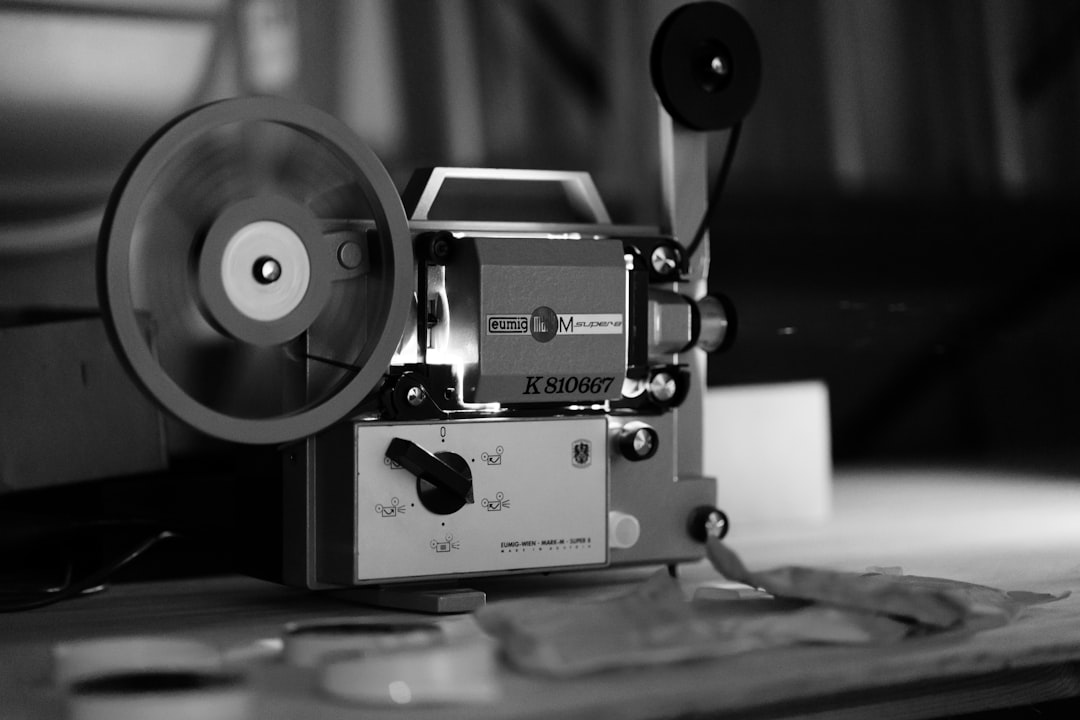
Photo by Auke Bakker on Unsplash
Leveraging Your Cast, Crew, and Collaborators as Audience Amplifiers
One of the most underused assets in independent film marketing is the network of people already attached to your project. Your cast and crew have their own audiences — even if those audiences are modest — and a coordinated approach to sharing across those networks can dramatically expand your reach without any additional budget.
This starts with a simple conversation during pre-production. Sit down with your key cast members and explain what you are building. Ask them to share selectively but authentically from their own channels. The key word is authentically — audiences can smell forced promotion, and it damages rather than builds trust. If your lead actor genuinely connects with the material, that enthusiasm will translate. If they are posting out of obligation, it will feel hollow.
The on-set experience itself is a content goldmine. The dynamic you create between your director and actors directly shapes the material your audience will eventually be invested in. How you work — how you direct actors on a low budget with specificity and trust — is a story worth telling publicly. Behind-the-scenes content that reveals genuine creative collaboration is magnetic, and it builds anticipation in a way that no trailer or poster ever can.
Micro-influencers within your film's thematic world are another powerful and consistently overlooked amplification channel. If your film deals with environmental collapse, connect with climate journalists and activists with engaged followings. If it is a horror film set in a specific subculture, find the podcasters and YouTubers who serve that community. These partnerships cost little or nothing, and they put your film in front of an audience that is already primed to care about your subject matter.
Festival Strategy as Audience Infrastructure, Not Just Validation
The festival circuit in 2026 continues to evolve, with hybrid models — in-person screenings paired with online audience programs — becoming the norm rather than the exception for mid-tier festivals. Smart indie filmmakers treat festival strategy as audience infrastructure, not merely as a validation mechanism or a prerequisite for distribution conversations.
When you submit to festivals, think carefully about the community that gathers around each event. Sundance, SXSW, Tribeca, and Raindance each attract distinct audiences with distinct cultural identities. A successful festival run is not just about laurels on a poster — it is about being in the room, building relationships with programmers, journalists, distributors, and most importantly, the passionate filmgoers who become your early adopters and word-of-mouth ambassadors.
Capture everything at festival screenings. Q&A footage, audience reaction moments, conversations in the lobby — this material becomes powerful social content and provides crucial proof of engagement that distributors and platforms find compelling. A video clip of a full house laughing at a moment in your comedy, or a genuine audience member tearfully describing how your documentary affected them, is worth more than any press quote you will ever get.
Consider also the role of community screenings and grassroots theatrical events. Platforms like Eventive and Tugg, which have expanded their indie filmmaker tools significantly, allow you to organize geographically distributed screenings where your online audience can gather locally. These events are not just revenue opportunities — they are community-building rituals that deepen audience loyalty and generate the kind of organic social content that money cannot buy.
The Long Game: Turning One Film Into a Career Audience
The most strategic thing you can do with your pre-release audience-building effort is to think beyond the single film. Every person who follows your production journey, subscribes to your newsletter, or attends a festival screening is a potential lifelong supporter of your work — if you treat them that way.
This means being transparent about your creative evolution, sharing the lessons you are learning, and positioning yourself as a filmmaker with a distinct voice and vision rather than simply a person who made one film. The filmmakers who build durable independent careers — Ari Aster, Ti West, Mati Diop, and a new generation of micro-budget auteurs emerging in 2026 — all have identifiable aesthetic and thematic commitments that their audiences can follow across multiple projects.
Your audience-building is, at its core, a long-term relationship practice. The email list you build during your first production becomes the launch platform for your second. The community you cultivate around your documentary becomes the audience that shows up for your narrative debut. Every piece of content you create, every authentic interaction you have with a follower or festival attendee, is a deposit into an account that will pay dividends throughout your career.
Start now. Not after you finish the edit. Not after you secure distribution. Not after the premiere. The moment you commit to making your film is the moment your audience-building work begins. The filmmakers who understand this are not just better marketers — they are building something genuinely different: a sustainable, independent creative practice with a community at its center.