FIFA Games Tomorrow: What the 2026 World Cup Teaches Independent Filmmakers About Cinematic Storytelling
With FIFA games tomorrow dominating every screen, feed, and conversation in 2026, the World Cup group stage is doing something remarkable beyond the pitch — it is handing independent filmmakers a live, unscripted masterclass in tension, pacing, character, and visual storytelling. As Brazil, Mexico, and a dozen other football nations battle through the final group stage matches, I keep finding myself watching not just the game, but the cinematography of the broadcast, the editorial rhythm of the cuts, the way a single close-up on a goalkeeper's face says more than three pages of screenplay dialogue ever could. If you are an indie filmmaker and you are not paying attention to what is unfolding on the pitch right now, you are missing one of the richest creative resources of the year.
The Narrative Architecture of a World Cup Group Stage
What makes the current FIFA group stage so cinematic is not just the spectacle — it is the structure. Every match carries the DNA of a three-act screenplay. There is a setup, escalating stakes, and a climax that arrives with brutal efficiency at the final whistle. The eight best matches remaining in the 2026 group stage each carry the weight of elimination, and that pressure transforms athletes into characters you cannot help but follow.
I have been writing about independent cinema for over a decade, and I can tell you honestly: the dramatic architecture of a do-or-die group stage match maps almost perfectly onto the frameworks we teach in screenwriting tips. You have your protagonist — say, a veteran striker playing what might be his final World Cup. You have your antagonist — not necessarily the opposing team, but time itself, the scoreline, the referee's raised hand. And you have the ticking clock, the most powerful screenwriting device ever invented, playing out in real-time before 80,000 witnesses.
Consider what the 2026 bracket has already delivered: matches decided in stoppage time, a referee's controversial call that rewrote a nation's fate, a goalkeeper who became a cultural icon overnight. These are not sports moments. These are story beats, and the filmmakers smart enough to recognize them are already taking notes — or better yet, cameras — into stadiums across the United States, Canada, and Mexico.
Character Under Pressure: What Athletes Teach Screenwriters
One of the oldest truths in screenwriting is that character is revealed under pressure. You do not know who your protagonist truly is until something threatens to take away what they love most. The World Cup group stage delivers this revelation with every match. Watch a striker miss a penalty that sends his country home. Watch a defender sprint back to make a last-ditch tackle with everything on the line. These are not performances — they are authentic human moments of extraordinary emotional intensity.
For screenwriters developing sports narratives, or really any narrative involving high stakes, studying these moments is invaluable. The best FIFA games tomorrow will give you more raw emotional material than most writing workshops offer in a semester. I recommend watching with the sound off occasionally — strip away the commentary and just observe the faces, the body language, the way players communicate through gesture and gaze. That is pure visual storytelling, and it is free.
Pacing and Editorial Rhythm in Live Sports Broadcasting
The editorial rhythm of a FIFA World Cup broadcast is a clinic in pacing. Network directors cutting the 2026 matches are making real-time decisions that any film editor would recognize: when to stay wide for context, when to push in tight for intimacy, when to cut to the crowd for emotional counterpoint. The reaction shot — an editor's most powerful tool — gets used with extraordinary precision during penalty kicks and final-minute drama.
Independent filmmakers working on everything from narrative features to documentary shorts should study these broadcast choices deliberately. Watch how the camera operators anticipate action rather than simply react to it. Notice the use of long telephoto lenses — likely something in the 400mm to 600mm range — to compress space and isolate subjects within the chaos of a crowded pitch. These are techniques directly transferable to the kind of cinematography basics that define compelling visual storytelling in any genre.
How Indie Filmmakers Are Documenting the 2026 World Cup
Beyond the official broadcasts, something fascinating is happening at the grassroots level. Independent documentary filmmakers have descended on the 2026 host cities — Los Angeles, New York, Dallas, Toronto, and others — to capture the human story surrounding the tournament. These are not the stories FIFA's official media partners are telling. They are stories of immigrant communities gathering to watch their home nations compete, of bar owners in Mexico City managing satellite feeds across a dozen screens, of a Brazilian family in Newark who painted their entire apartment green and yellow for the occasion.
This is where indie cinema finds its power: in the margins of the main event. The best documentary work coming out of this World Cup will not be about the games themselves — it will be about what the games mean to the people watching them. That is a distinction worth understanding deeply, and it connects directly to the broader principles outlined in our film production guide.
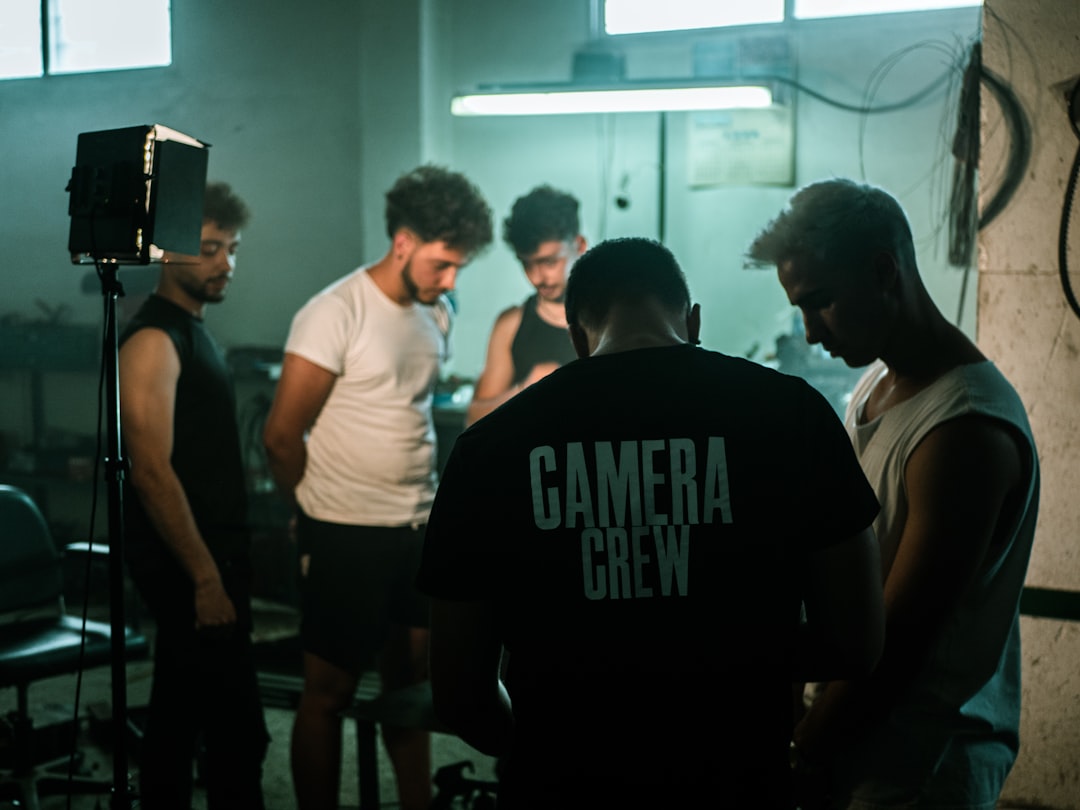
Photo by Jose P. Ortiz on Unsplash
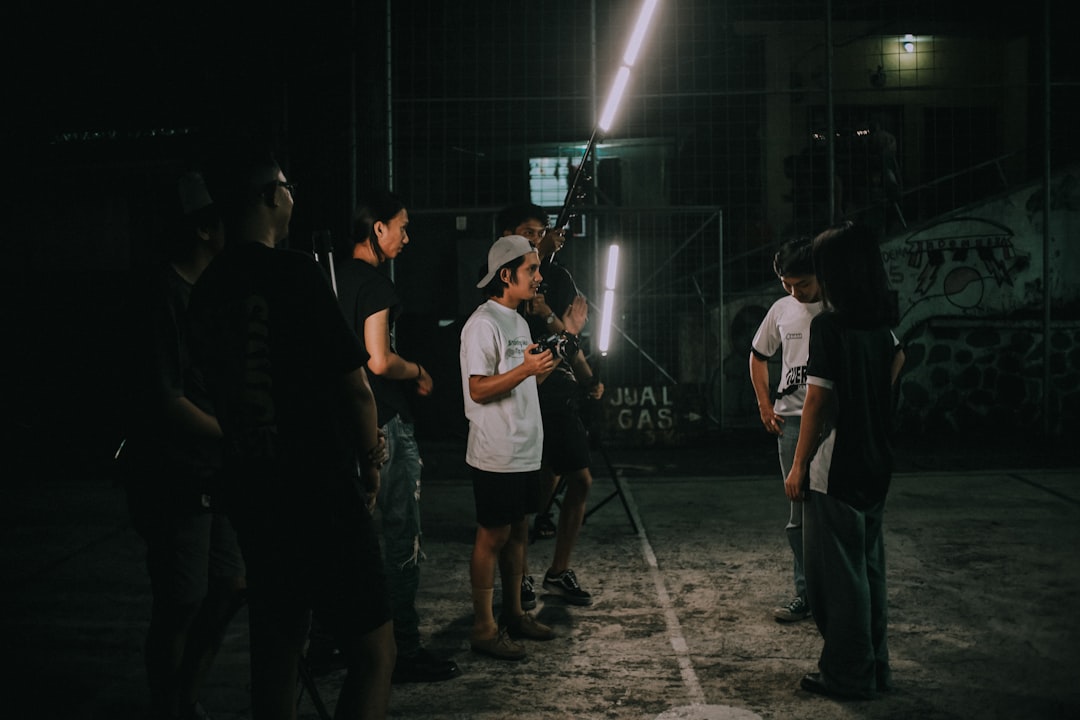
Several filmmakers I have spoken with are running remarkably lean operations. One Brooklyn-based documentarian is shooting entirely on a Sony FX3, using a Sigma 24-70mm f/2.8 Art lens as her primary workhorse, capturing fan gatherings with natural light and a single Rode NTG3 shotgun mic mounted on a small Tilta cage rig. Her total kit weighs under fifteen pounds and costs under $6,000 new — proof that meaningful documentary filmmaking does not require a broadcast budget.
Another filmmaker, based in Los Angeles, is working in collaboration with a Mexican-American community organization to document how the World Cup's physical presence in SoFi Stadium is reshaping cultural identity conversations in the city. His approach is slower and more observational — long takes, minimal intervention, a preference for the Canon EOS R5 C in Cinema RAW Light for maximum post flexibility. He is already in conversations with a streaming platform about a limited series.
The Business Case for World Cup-Adjacent Storytelling
Let me be direct about something the indie film business often dances around: timing matters enormously when it comes to content development and distribution. The 2026 FIFA World Cup is generating a level of global cultural attention that will not repeat until 2030. Smart independent producers are not just documenting the current moment — they are developing projects that will ride the wave of that attention into festival seasons and distribution pipelines.
Sports documentaries have proven themselves a reliable format for streaming acquisitions. ESPN Films' 30 for 30 franchise essentially proved the model: take a sports story that is really a human story, execute it with cinematic craft, and the audience will follow. Netflix, Apple TV+, and Amazon Prime Video have all aggressively acquired sports documentary content in recent years, and the 2026 World Cup is generating exactly the kind of human drama those platforms want.
For independent filmmakers and producers reading this, the strategic opportunity is real. You do not need access to FIFA-credentialed events or stadium interiors to tell compelling World Cup stories. The stories are happening in living rooms, community centers, sports bars, and parks across every city hosting or simply watching these matches. That access is available to any filmmaker with the initiative to pursue it.
Practical Lessons From the Pitch for Your Next Production
Whether or not you have any interest in sports filmmaking specifically, the FIFA games tomorrow offer concrete, practical lessons that transfer directly to your next production — narrative feature, short film, or commercial work alike.
First: embrace the long lens. The telephoto compression you see in World Cup broadcasts creates a visual intimacy with subjects that wide-angle shooting simply cannot replicate. On your next shoot, experiment with a 135mm or 200mm prime and notice how it collapses space, isolates your subject, and forces background elements into gorgeous bokeh abstraction. For cinematographers on limited budgets, a Canon EF 135mm f/2L — available used for around $700 — delivers broadcast-quality optical performance.
Second: respect the reaction shot. Some of the most emotionally powerful images in any World Cup broadcast are not of the action itself but of the response to it. The parent in the stands covering their eyes. The substitute bench erupting. The opponent who cannot hide their devastation. Build reaction coverage into your shooting schedule deliberately, not as an afterthought.
Third: study how chaos becomes cinema. Stadium cinematography involves managing enormous visual complexity — thousands of moving people, unpredictable action, variable lighting conditions. The solutions broadcast camera operators use — high frame rates for smooth slow-motion, telephoto isolation, disciplined composition within apparent chaos — are directly applicable to any production environment where control is limited. That is, frankly, most indie productions.
The 2026 World Cup is not just a sporting event. For those of us who make and study films, it is a living demonstration of storytelling principles playing out at the highest level of human emotion and global attention. The FIFA games tomorrow are worth watching. But watch them like a filmmaker.