Buc-ee's Locations Are Everywhere Now — And Indie Filmmakers Should Be Taking Notes
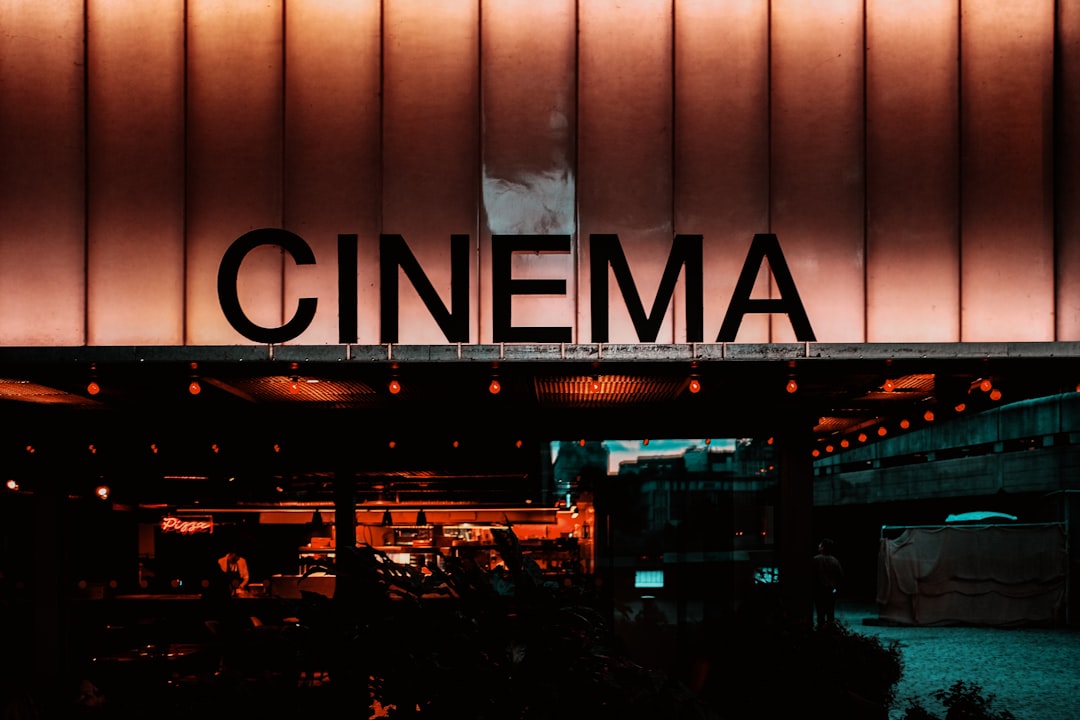
I was somewhere outside of Chandler, Arizona, doing a location scout for a short I was producing on a skeleton budget, when I pulled into the newest Buc-ee's outpost — the brand's biggest Western location yet — and immediately forgot why I was there. The scale of the place is genuinely cinematic. Forty-plus fuel pumps stretching toward a blinding horizon, a building the square footage of a small aircraft hangar, walls lined with every variation of beef jerky known to humankind. Standing in that parking lot, RED Komodo slung over my shoulder, I thought: whoever is doing location strategy for Buc-ee's understands something fundamental about storytelling geography that a lot of indie filmmakers don't.
The Buc-ee's Expansion and Why It Matters Beyond Gas Stations
In 2026, Buc-ee's is no longer a Texas novelty. The brand has announced multiple new locations across the country, with Arizona receiving its largest Western outpost to date and more sites confirmed from the Carolinas to the Pacific Northwest. For most people, this is a conversation about travel convenience and the best beaver nuggets money can buy. For filmmakers paying attention, it is something richer: a masterclass in how physical space can carry narrative weight, cultural identity, and audience expectation simultaneously.
Think about what a Buc-ee's location actually communicates. These stores are always planted at major interstate junctions, just far enough from city centers to feel like a threshold — a liminal space between one place and another. Every screenwriter worth their draft history knows that liminal spaces are dramatically potent. Gas stations, diners, rest stops, and border towns have powered American cinema from Badlands to No Country for Old Men to Tangerine. Buc-ee's has taken that archetype and supersized it into something almost surreal, which makes each location a potential set piece for the right story.
If you are building out your screenwriting tips toolkit, start by thinking about how location selection at the script stage telegraphs theme. Buc-ee's does not land in obscure rural backroads or dense urban cores. It lands at crossroads. Your story's locations should work the same way — every set should feel like it sits at the intersection of something.
Location Scouting Like a Production Designer, Not Just a Director
One of the most repeated mistakes I see from first-time indie directors is treating location scouting as a purely visual exercise. They ask: does this look good on camera? That is roughly 30 percent of the question. The full question is: what does this location do to my characters, my crew logistics, my budget, and my story's internal logic?
Buc-ee's expansion strategy offers a surprisingly instructive parallel. The company reportedly scouts locations years in advance, evaluating traffic patterns, regional demographics, proximity to competing infrastructure, and long-haul trucking routes. They are not just asking where looks impressive. They are asking where serves the function. Filmmakers need that same discipline.
The Practical Scout: What to Actually Look For
When I scout a location for an indie production, I bring a few core tools: a Sony a7S III for still documentation in low light, a compass app, a sun-tracking app like Sun Surveyor, and a basic audio recorder to document ambient noise. I shoot every angle at the time of day I plan to film. I note power access, parking for gear vehicles, and whether the location has any sound contamination from highways, airports, or HVAC systems.
The new Buc-ee's Arizona location, for example, sits adjacent to a major freeway interchange. From a production standpoint, that means consistent road noise, potentially compromised dialogue recording, and intense midday desert light bouncing off acres of concrete. Beautiful for B-roll. Challenging for drama. Understanding those tradeoffs before you commit is what separates a smooth shoot from a costly disaster. For a deeper dive into pre-production planning around locations, our film production guide breaks down the full scouting and permitting workflow.
Understanding the Cultural Geography of a Location
Buc-ee's is not just a building. It is a brand carrying specific cultural weight — Texas pride, road-trip Americana, a particular kind of cheerful excess that reads differently depending on who is walking through those doors. In Arizona, where the brand is still new enough to feel like an event, locals are making pilgrimages to the store the way people visited the first IKEA in a new market. That cultural electricity is exactly what makes a location compelling on screen.
When you are scouting for your film, ask what the location means to the people who live near it. A shuttered mall in a rust-belt town carries grief. A new mega-store at the edge of the desert carries ambition and displacement simultaneously. That meaning should connect to your story's emotional architecture. If it does not, the location is just a backdrop, and audiences feel that disconnect even when they cannot name it.
Road-Trip Cinema and the Indie Film Production Opportunity
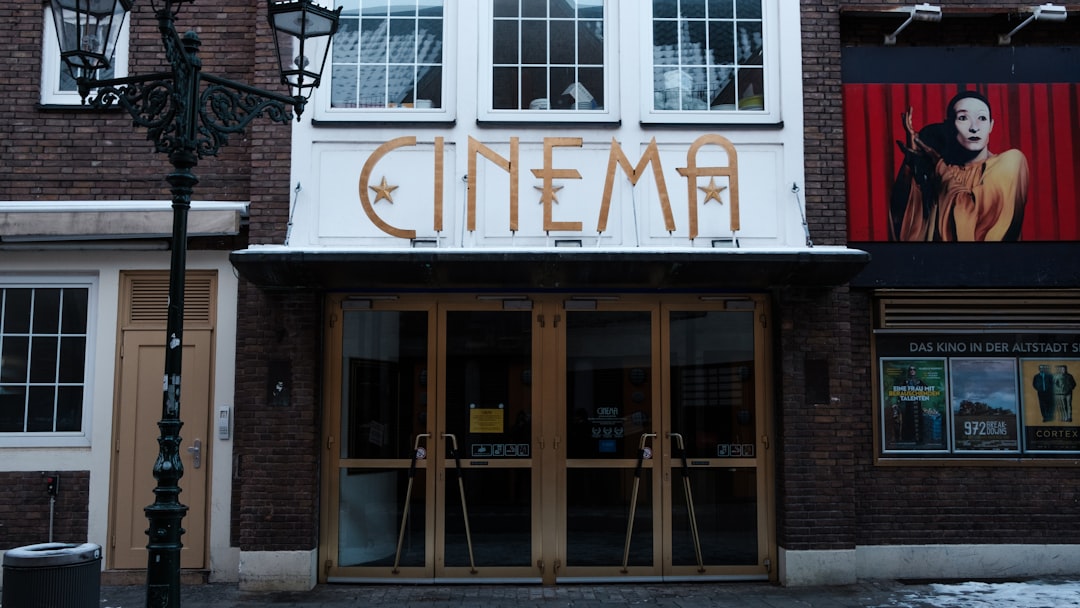
The road movie is arguably the most accessible genre for independent filmmakers, and Buc-ee's expansion is quietly reshaping the geography of American road-trip cinema. As the chain plants locations across the Western United States, it is creating new nodes of recognizable commercial Americana in states that previously had a very different visual identity on screen. Arizona, New Mexico, Colorado — these states have long been coded in cinema as frontier, wilderness, and Indigenous landscape. The arrival of a 74,000-square-foot convenience store reframes that visual vocabulary.
I find that genuinely exciting from a storytelling perspective. The tension between vast natural landscape and hyper-commercial infrastructure is one of the defining aesthetic conflicts of contemporary American life, and it is largely underleveraged in independent cinema. A filmmaker willing to set their road movie against that specific friction — the Saguaro cactus framed against the Buc-ee's beaver mascot — is tapping into something that feels urgent and specific in 2026.
From a production standpoint, the expansion also means practical resources along routes that previously had sparse services. More Buc-ee's locations means more reliable fuel stops, restrooms, and food for cast and crew during long travel days between locations. If you have ever done a multi-day location shoot across the Southwest, you understand how much crew morale depends on finding a clean bathroom and a decent meal option at mile 300 of a desert crossing.
Cinematography Considerations When Filming Big Commercial Spaces
Let's say you actually want to film at or near a Buc-ee's, or a location with similar scale characteristics — a massive travel plaza, a sprawling distribution center, a big-box retail environment. The cinematographic challenges are specific and worth addressing directly.
First, mixed lighting is your enemy. Large commercial interiors typically combine fluorescent overheads, LED display lighting, natural light from skylights or windows, and neon signage. Your camera's white balance cannot reconcile all of those sources simultaneously unless you are shooting RAW and have a serious color correction budget. If you are on a small production, scout during hours when the natural light component is minimal and the artificial lighting is dominant — usually late evening. Bring diffusion if you need to soften harsh overhead sources on talent.
Second, consider the compression value of a long lens in a large space. A 70-200mm equivalent pulled back from a Buc-ee's fuel canopy can compress dozens of pump stations into a single frame that reads as almost abstract — pure color and geometry. That kind of image says something about scale and contemporary consumer culture that a wide angle simply cannot replicate. The fundamentals of working in challenging locations are covered extensively in our cinematography basics resource, including exposure strategy in mixed-light environments.
Third, movement in large commercial spaces rewards deliberate blocking. If your actors are tiny against the architecture, lean into it — that scale relationship is the visual statement. If you need intimacy, move your camera close and let the background go soft. Do not try to do both in a single setup unless you are working with anamorphic glass specifically for the oval bokeh that separates foreground from background with elegance.
The Business Lesson Hiding in Plain Sight
Beyond aesthetics and scouting technique, Buc-ee's expansion carries a film business lesson that indie producers should internalize: sustained, strategic geographic growth builds a brand that audiences recognize and trust before they even walk through the door. The company spent decades perfecting one market before pushing into new territory, and they moved with enough capital and operational confidence to make each new location feel like an event rather than a test.
Independent filmmakers building careers in 2026 would do well to think about their own work in geographic terms. Which markets are you cultivating? Which film festivals represent your version of a high-traffic interstate junction — maximum exposure, targeted demographic, efficient use of resources? The most successful indie careers I have watched develop share Buc-ee's discipline: deep roots in a specific community before expansion, and expansion executed with enough quality to sustain the brand promise.
The next time you pull off a highway and see that cheerful beaver grinning from a forty-foot sign, do not just think about brisket and clean restrooms. Think about why someone chose that exact piece of ground, and what story that choice tells. That is location intelligence. And in filmmaking, as in road-trip retail empires, location is everything.