
Capture a Classic Widescreen Look With the New Blazar Remus II 1.5x Anamorphic Lens
There is a particular quality of light that only anamorphic glass can produce — those elongated oval bokeh balls, the horizontal lens flares that streak across a night scene like something ripped straight from a Lawrence of Arabia frame, the subtle barrel distortion that makes even a modest location feel cinematic and expansive. For decades, that look was locked behind the budget walls of a major studio production. You either rented vintage Panavision glass at premium rates or you faked it in post with plugins that never quite convinced anyone. In 2026, Blazar has meaningfully changed that conversation with the Remus II 1.5x Anamorphic lens series, and after spending considerable time with this glass on a micro-budget narrative feature, I can tell you it deserves serious attention from any indie filmmaker who cares about image quality.
What Is the Blazar Remus II and Why Does the 1.5x Factor Matter?
The Blazar Remus II is a full-frame capable anamorphic lens set built for working filmmakers on real-world budgets. The 1.5x squeeze factor is the headline specification, and it is worth understanding why that number matters before you reach for your credit card. Traditional anamorphic lenses — the kind that gave Blade Runner and There Will Be Blood their unmistakable character — typically use a 2x squeeze. That means the lens optically compresses the horizontal axis of the image by a factor of two, which you then de-squeeze in post or in-camera to reveal a dramatically wide aspect ratio, usually around 2.39:1.
A 1.5x squeeze lands you somewhere around 2.39:1 when shooting on a standard 16:9 sensor, which is the same destination but via a friendlier road. The 1.5x squeeze is more forgiving on autofocus systems, produces less edge distortion, and demands less light than a traditional 2x setup — three practical advantages that matter enormously on a production where you may be your own focus puller, your own gaffer, and your own producer simultaneously. Blazar has clearly designed the Remus II with that reality in mind.
Build Quality and Physical Specs
Picking up the Remus II, the first thing you notice is that it does not feel like a compromise product. The housing is machined aluminum with a matte finish that resists fingerprints and handles a reasonable amount of field abuse. Gears are properly sized for follow focus compatibility, which matters when you are rigging on a DJI RS 4 Pro or a Tilta Hydra Alien and need reliable mechanical engagement. The front element accepts 82mm filters, which is standard enough that you can slot in the same Tiffen or Kolari filters you are already carrying.
Available focal lengths in the Remus II line include 35mm, 50mm, 65mm, and 85mm, covering everything from wide establishing shots to intimate close-ups. The 50mm T2.8 is the workhorse — it de-squeezes to approximately a 33mm equivalent field of view on a full-frame sensor, putting you in a comfortable mid-wide zone that suits dialogue scenes and environmental storytelling alike. For deeper context on how focal length choices shape your narrative visual language, our guide on cinematography tips for indie filmmakers covers the fundamentals in practical, shoot-ready language.
The Optical Character: Flares, Bokeh, and Breathing
Optical character is where the Remus II earns its price of admission. The horizontal flares are present and controllable — pointing the lens toward a practical lamp or a streetlight produces that classic blue-teal streak without becoming overbearing at every stop. You can manage flare intensity through aperture and subject positioning, giving you creative control rather than optical chaos. Bokeh rendering shows the classic oval shape that identifies anamorphic footage immediately, with smooth falloff that holds up in skin-tone-heavy close-ups. Focus breathing is present but not disruptive, which is about as honest an assessment as you can give any non-parfocal prime in this price category.

Photo by Valery Tenevoy on Unsplash
Real-World Performance: Testing the Remus II on a Micro-Budget Narrative
I ran the Remus II 50mm through a three-week shoot on a low-budget short film — a noir-adjacent crime story set largely in practical interior locations, exactly the kind of production where anamorphic glass either proves itself or exposes its weaknesses. We were shooting on a Sony FX3, taking advantage of its full-frame sensor to maximize the 1.5x squeeze benefit, and grading in DaVinci Resolve 20 using a custom LUT built from ARRI LogC reference material.
The first practical discovery was light sensitivity. At T2.8, the Remus II is workable in moderately low light without pushing ISO into noise territory. We were not dragging ISO above 6400 in most interior scenes, which kept our grain structure intentional rather than problematic. For filmmakers shooting on cameras in the mid-tier range — say, the Blackmagic Cinema Camera 6K or the Z CAM E2-F6 — this light transmission performance is genuinely useful. If you are in the market for a camera body that pairs well with this glass, our breakdown of best cameras under $2,000 will help you identify a body that complements the Remus II without overcomplicating your budget math.
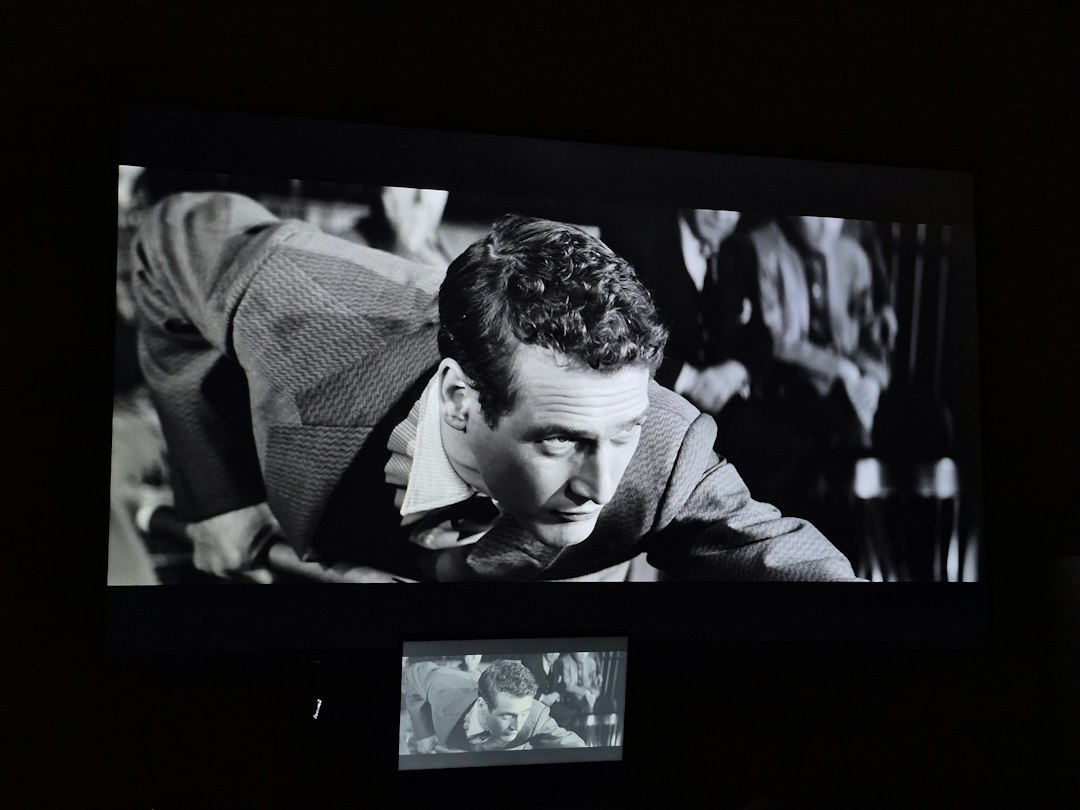
The 2.39:1 aspect ratio the lens produces reshaped how we approached coverage in a meaningful way. Wide shots in tight practical sets suddenly had breathing room. A pool hall location that might have felt cramped with spherical glass opened into something atmospheric and pressured in exactly the right way — the horizontal compression pushing subjects toward each other in the frame, creating visual tension that spherical lenses simply do not generate organically. This is the core argument for anamorphic on narrative work: it is not just aesthetic, it is dramatic.
Pricing, Market Position, and Who Should Buy This Lens
Blazar has positioned the Remus II competitively against other budget-to-mid-range anamorphic options in 2026. Individual lenses in the series are priced in the range that puts them below the Sirui Nightwalker series at the entry level and well below the Laowa Nanomorph T1.5 at the upper boundary, making the Remus II a genuine mid-market offering rather than a race-to-the-bottom product. Bundled sets bring the per-lens cost down further, which is worth calculating if you are outfitting a full kit rather than supplementing an existing spherical set.
The competitive field in 2026 also includes the Venus Optics anamorphic line and a growing number of Chinese optical manufacturers who have identified indie filmmakers as a serious market segment willing to invest in quality glass when the price is accessible. What distinguishes the Remus II in this field is the combination of build quality, optical character consistency across focal lengths, and the 1.5x squeeze factor that makes the glass practical on modern mirrorless and cinema camera systems without requiring external adapters or diopters for close focus.
Who Should Pass and Why
No lens is universal, and honest gear journalism requires saying so plainly. If you are shooting primarily run-and-gun documentary or fast-moving event work, the Remus II's manual focus requirement and anamorphic-specific workflow will slow you down in ways that cost you shots. Anamorphic glass rewards deliberate, controlled production — the kind of shooting where you have time to mark, light, and compose. Documentary and news acquisition work generally needs spherical glass and reliable autofocus, full stop.
Similarly, if your delivery format is vertical social content or standard 16:9 streaming without cinematic ambitions, spending money on anamorphic glass is solving a problem you do not have. The Remus II is purpose-built for filmmakers who want the 2.39:1 frame and everything it implies about visual storytelling and audience expectation.
The Bigger Picture: Anamorphic as a Creative and Business Decision
Beyond the optical specifications and field performance, choosing anamorphic glass is a statement about what kind of filmmaker you are positioning yourself as in the market. Cinematographers who have built identifiable visual languages — Hoyte van Hoytema, Linus Sandgren, Bradford Young — understand that lens character is part of the authorial signature of a film. On the indie level, committing to anamorphic glass signals to collaborators, producers, and eventual distributors that you are thinking cinematically rather than practically, which has genuine value in a crowded market.
This does not mean every indie production needs anamorphic glass. But for the filmmaker working on a micro-budget feature with festival ambitions or a commercial narrative with a client who wants production value that punches above the budget, the Remus II offers a credible path to a theatrical-quality image that was simply not accessible at this price point five years ago. Pairing strong visual production value with sharp, character-driven writing is the foundation of successful indie work — and if you are developing the script alongside building your camera package, our resources on writing better dialogue are worth absorbing before you call action.
The Blazar Remus II 1.5x Anamorphic is not a perfect lens. It is a manual focus tool with real optical character that rewards filmmakers who shoot deliberately and know what they want from their image. In that context, it is one of the most exciting pieces of cinema glass to arrive in the mid-range market in recent memory, and it deserves a place in the conversation any serious indie cinematographer is having about their kit in 2026.