
How 'Sinners' Cinematographer Autumn Durald Arkapaw Made History at the 2026 Oscars — and What It Means for Indie Filmmakers
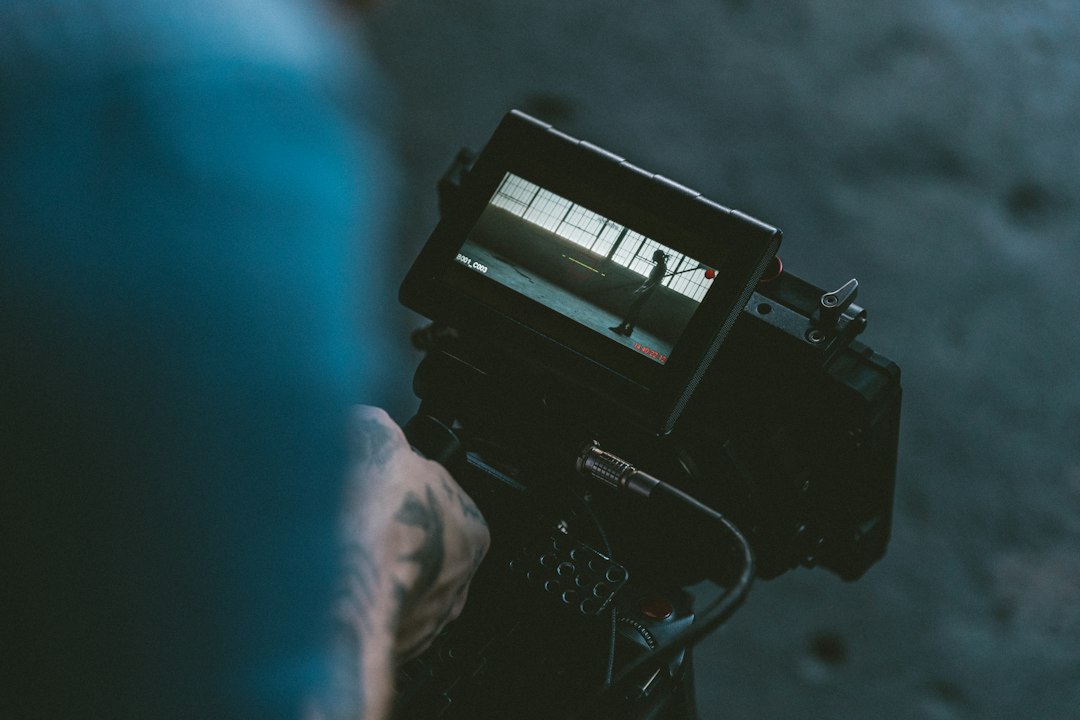
When Autumn Durald Arkapaw's name was called at the 98th Academy Awards in March 2026, the moment carried a weight that went far beyond a single filmmaker's career. Arkapaw became the first woman of color to win the Academy Award for Best Cinematography, a milestone so long overdue it nearly defies belief — and yet, watching her work on Ryan Coogler's Sinners, it was impossible to imagine the award going anywhere else. Her visual language on that film is among the most confident, purposeful, and emotionally resonant work put to celluloid in the last decade. For those of us grinding away on indie shoots with skeleton crews and borrowed lenses, this win is both a celebration and a masterclass in what intentional image-making can achieve.
The Historic Weight of the Win
Let's put the context plainly: the Academy has handed out the Best Cinematography Oscar 97 times before Arkapaw's win, and in all those years, no woman of color had ever taken home the award. In fact, only one woman — Rachel Morrison, nominated for Mudbound in 2018 — had ever been nominated in the category before Arkapaw's historic recognition. The cinematography branch of the Academy has historically been one of its most insular, a reality that Arkapaw herself has spoken about in interviews with outlets like American Cinematographer and Variety. Her win in 2026 doesn't just put a name in the history books; it fundamentally challenges who gets to be considered a master of the craft.
Arkapaw has been climbing steadily for years. Industry observers watching her work on Hulu's Pam & Tommy and her collaborations with directors like Gia Coppola already knew she possessed a rare sensitivity to light and shadow, an instinct for when to let darkness breathe rather than fill it. But Sinners was the film that brought her gifts to a global audience, and her partnership with Coogler — who insisted on shooting on 35mm and 65mm film — gave her the canvas she needed to paint something genuinely unforgettable.
Breaking Down the Visual Craft of 'Sinners'
Sinners, set in the Mississippi Delta of the 1930s, demanded a photographic approach that could hold blues music, supernatural horror, and deeply human drama in the same frame without any of those elements overwhelming the others. Arkapaw's solution was meticulous and disciplined. She worked extensively with Kodak film stocks — a choice that was as philosophical as it was aesthetic. Shooting on film in 2026 is a deliberate act, a rejection of the clinical perfection that digital sensors can produce. Grain, halation, the way highlights bloom on reversal stock — these qualities gave Sinners its lived-in, mythological texture.
The Choice to Shoot on Film
For indie filmmakers reading this, the instinct might be to immediately dismiss the film-versus-digital conversation as irrelevant to low-budget production. And in a strictly practical sense, shooting on 35mm is a luxury most of us can't afford. But the underlying principle is worth understanding deeply: every technical decision you make should serve a narrative and emotional intention. Arkapaw didn't choose film because it was fashionable. She chose it because the story of Sinners required images that felt like they had survived time. If you're shooting your next feature on a Sony FX3 or a Blackmagic Cinema Camera 6K, you can chase analogous results through careful lens selection, the use of diffusion filters like the Tiffen Black Pro-Mist, and a deliberate color science approach in post using DaVinci Resolve. The gear is never the point — the intention always is. If you want to go deeper on practical approaches to achieving cinematic images regardless of your budget, our guide to cinematography tips for indie filmmakers lays out exactly that thinking.
Lighting the Blues — Darkness as a Character
One of the most talked-about elements of Arkapaw's work on Sinners is her use of extreme contrast and practical light sources. The juke joint sequences — the heart of the film — were lit largely with practical tungsten and firelight sources, supplemented with minimal HMI fill pushed through heavy diffusion to preserve the quality of the practical look. The result is imagery that feels genuinely dangerous, where faces emerge from darkness and recede back into it. This is Rembrandt lighting taken to a genre extreme, and it works because it reflects the moral and supernatural stakes of the story. Every light source in Sinners feels earned.
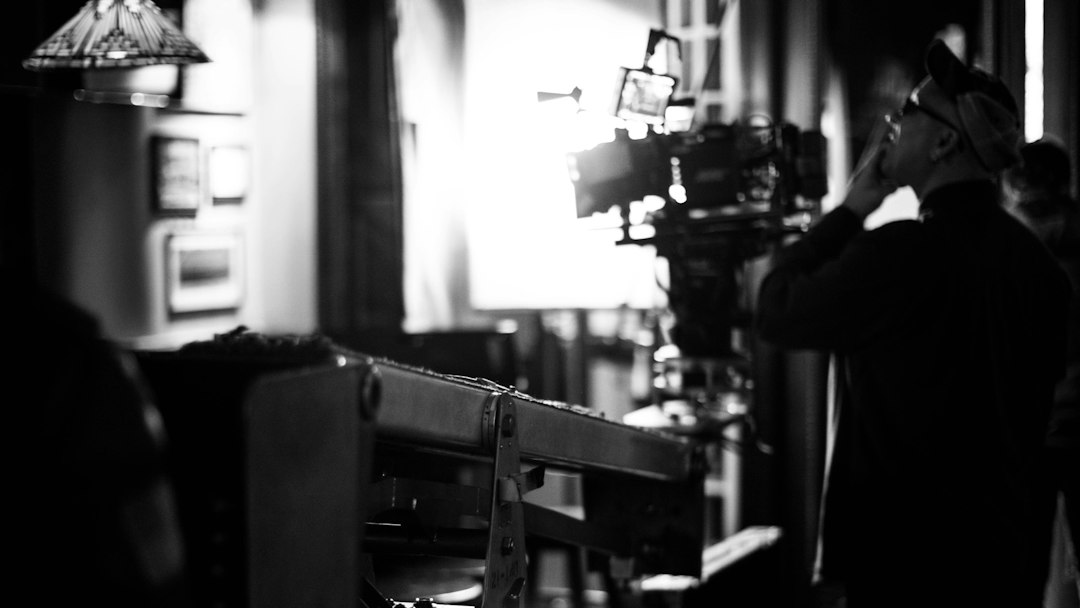
Photo by Revolver Creative Company on Unsplash
What This Win Means for the Indie Cinematography Community
I've spent years on sets where the conversation about who gets to be behind the camera — really behind it, with decision-making authority — has been slow to evolve. I've watched enormously talented DPs who happened to be women or people of color get passed over for opportunities that went to less experienced shooters who fit a more comfortable profile. Arkapaw's Oscar win in 2026 is not a magic fix for structural inequity, but it is a data point that cannot be ignored by producers and directors making hiring decisions. The most celebrated piece of cinematography of the year was shot by a woman of color. That fact has a way of reshaping conversations in rooms where those conversations have historically been too narrow.
For indie producers specifically, this is a moment to reexamine your own hiring pipeline. The DP you're overlooking might be the Arkapaw of your project. Understanding what a film producer actually does includes recognizing that building the right creative team is one of the highest-leverage decisions you make — and that decision should never default to the familiar. The talent pool is deeper and more diverse than it's ever been, and the tools have democratized access to the craft in ways that weren't true even a decade ago.
Arkapaw herself has spoken about the importance of mentorship and visibility. She's referenced figures like Bradford Young and Rachel Morrison as inspirations, and she's been openly generous about sharing her process in masterclasses and interviews. That generosity matters. Craft knowledge flowing outward into the indie community is how the whole ecosystem elevates.
Ryan Coogler's Collaboration — and the Lessons in Creative Partnership
It would be incomplete to discuss Arkapaw's work without acknowledging how profoundly the Coogler-Arkapaw collaboration shaped the film. Coogler is one of the most actor-focused directors working today — his ability to direct actors toward emotionally raw, spontaneous performances is a core part of his filmmaking identity, as visible in Fruitvale Station as it is in Sinners. What Arkapaw brought to that process was a camera approach fluid enough to honor spontaneity without sacrificing compositional rigor. The camera in Sinners often feels like another performer — present, reactive, never mechanical.
For indie filmmakers in the early stages of building creative partnerships, this is the model worth studying. The best cinematographer for your project isn't necessarily the one with the longest reel — it's the one who listens to your story, asks the right questions about tone and intention, and makes technical decisions in service of the human experience you're trying to create. That alignment between director and DP is the real engine of a great-looking film. Camera packages and lighting rigs are downstream of that conversation.
Coogler has also been transparent about the freedom he gives his collaborators, particularly Arkapaw on this project. He described giving her significant latitude to make lighting and camera movement decisions on set in real time — a trust that can only be built through deep pre-production conversation and a shared visual language. That process starts with detailed lookbooks, reference imagery, and honest dialogue about what scares each of you and what excites you about the material.
The Broader Industry Ripple Effect
Beyond the symbolism of the Oscar itself, Arkapaw's win is already generating measurable industry momentum. Studios and streaming platforms that have historically been slow to hire women DPs in above-the-line roles are facing renewed public and internal pressure to diversify their cinematography rosters. Organizations like the American Society of Cinematographers (ASC) have renewed commitments to mentorship programs specifically targeting underrepresented cinematographers. And for film schools and MFA programs across the country, Arkapaw's story is now a recruiting asset and a curricular reference point.
At the indie level — which is where most of us actually live — the ripple is different but equally real. When a film made with the kind of creative risk and formal ambition that Sinners represents wins the industry's highest recognition, it sends a signal about what audiences and tastemakers value. Safe, conventional visual choices are not the path to distinction. Authorship is. Voice is. The willingness to make a frame that takes a position — that means something — is the quality that gets remembered.
Autumn Durald Arkapaw has been making frames that mean something for years. In 2026, the Academy finally caught up. For the rest of us behind the camera, the work continues — and the standard has been raised in the best possible way.