
Introduction
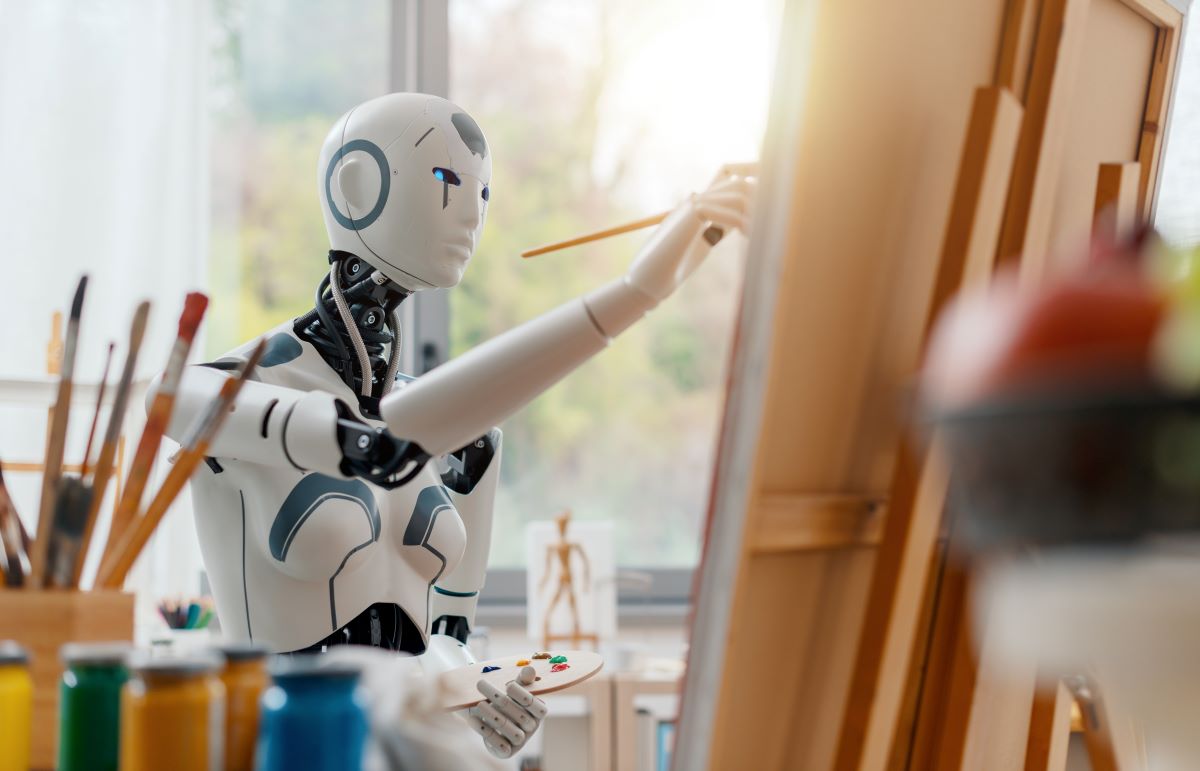
The film industry is in the middle of a digital revolution — and at the heart of it lies AI film collaboration. From scriptwriting to post-production, artificial intelligence is transforming how creative teams work, communicate, and produce cinematic art. What was once limited to manual labor and human intuition is now enhanced by machine learning, automation, and predictive analytics.
Filmmakers, editors, and producers are finding that AI tools don’t replace creativity — they enhance it. They allow creative professionals to work smarter, faster, and more collaboratively than ever before. Whether you’re managing an indie film set or working on a blockbuster production, AI collaboration platforms are shaping the future of storytelling.
The Evolution of Collaboration in Film Production
Before diving into AI-driven collaboration, it’s worth understanding how film teams have evolved. For decades, filmmaking relied on face-to-face meetings, physical film reels, and long hours in editing suites. As technology advanced, digital collaboration tools emerged — cloud storage, project management software, and virtual production platforms.
Now, AI film collaboration takes this a step further by introducing automation, predictive insights, and intelligent assistance into nearly every creative workflow. Instead of just connecting team members, these tools actively assist in decision-making, content optimization, and creative execution.
How AI Enhances Collaboration in Filmmaking
Let’s explore how artificial intelligence integrates into different stages of the filmmaking process — from ideation to release.
1. Pre-Production: Smarter Planning and Scriptwriting
AI tools like ChatGPT, ScriptAI, and Plotagon can analyze audience trends, assist in script development, and even suggest dialogue improvements. Storyboarding apps powered by AI automatically generate scene layouts, helping directors visualize sequences faster.
In AI film collaboration, pre-production becomes data-driven and precise. Schedules, casting decisions, and budgeting can all be optimized using machine learning algorithms that predict potential bottlenecks or overages.
| AI Application | Pre-Production Function |
|---|---|
| ScriptAI | Suggests plot improvements and dialogue refinements |
| DeepStory | Generates story outlines and character arcs |
| Filmustage | Automates script breakdowns and scheduling |
| Casting.AI | Analyzes talent profiles for role fit and audience appeal |
2. Production: Real-Time AI Assistance on Set
On set, AI tools are helping directors and cinematographers make better creative and technical decisions. Systems like Cinelytic and Lumiere AI monitor lighting conditions, frame composition, and even emotional expressions in real-time.
AI-powered collaboration platforms enable multiple departments — lighting, sound, art direction, and editing — to work simultaneously in sync. Real-time analytics highlight issues as they occur, allowing teams to make adjustments instantly.
This results in fewer reshoots, optimized camera setups, and smoother coordination between on-site and remote crew members.
3. Post-Production: Editing with AI Precision
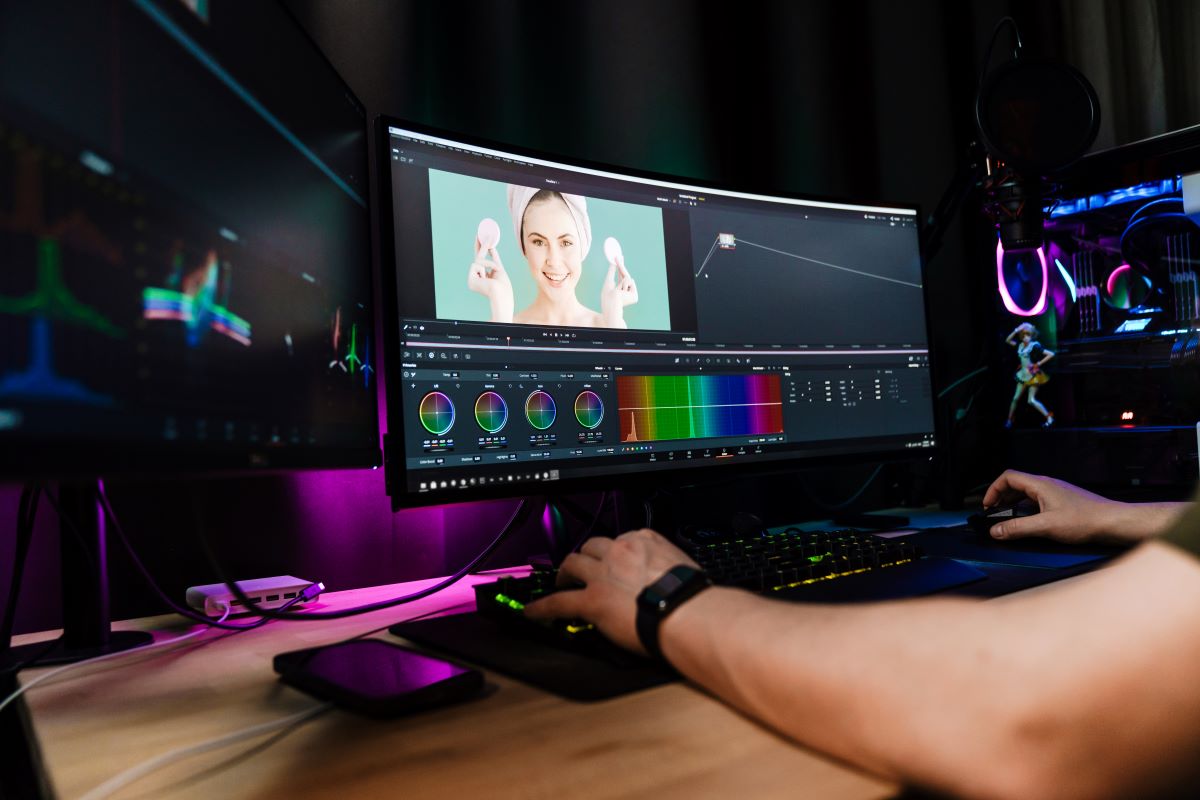
Post-production is where AI’s potential shines brightest. Intelligent editing software can analyze hundreds of hours of footage, automatically highlight the best takes, and even sync audio and video.
Tools like Adobe Sensei, Runway ML, and Blackmagic DaVinci Resolve use AI to assist editors in color correction, noise reduction, and scene classification. Collaborative AI workflows mean that multiple editors, VFX artists, and sound engineers can work in real-time from different locations.
| AI Tool | Post-Production Use |
|---|---|
| Adobe Sensei | Automates color matching and object tracking |
| Runway ML | Generates visual effects using AI models |
| Descript | AI-assisted video editing and dubbing |
| Flawless AI | Lip-sync and dialogue translation automation |
4. Marketing and Distribution: Predictive AI Insights
The power of AI film collaboration doesn’t stop when the movie wraps. Predictive analytics help studios and indie creators understand what audiences want — before release.
AI platforms like Cinelytic and Vault AI evaluate box office performance, genre trends, and demographic data. They provide filmmakers with insights that guide marketing campaigns and distribution strategies.
For example, an AI might analyze social media data to predict audience engagement levels or recommend the most effective trailer length for a target demographic.
Benefits of AI Film Collaboration
AI film collaboration offers numerous advantages beyond efficiency. Here are some of the most impactful benefits for creative teams:
-
Enhanced Creativity – By automating technical tasks, AI frees artists to focus on storytelling and aesthetics.
-
Remote Accessibility – Teams can collaborate globally with shared AI-driven platforms.
-
Cost Efficiency – AI identifies redundant processes and optimizes resource allocation.
-
Faster Turnaround Times – Machine learning shortens production timelines through intelligent automation.
-
Data-Backed Decisions – Producers gain access to predictive data for audience preferences and box office trends.
Challenges and Ethical Concerns in AI Film Collaboration
While AI offers incredible advantages, it also presents a set of challenges that filmmakers and producers must navigate carefully. The integration of AI in filmmaking is not without its ethical, creative, and professional implications.
1. The Fear of Creativity Loss
One major concern among filmmakers is that artificial intelligence could dilute human creativity. The idea of scripts or visual elements being generated by algorithms raises questions:
Can AI truly understand emotion, nuance, or cultural context? While tools can assist, the human creative spark remains irreplaceable. Successful AI film collaboration relies on balance — technology should empower artists, not replace them.
2. Data Privacy and Intellectual Property
AI tools rely heavily on data — from audience analytics to visual training sets. This brings up concerns around data privacy, ownership rights, and consent. Who owns an AI-generated scene? How is copyrighted material protected when AI learns from massive datasets?
Industry standards are still developing, but many studios are working toward transparent AI models that respect creators’ rights and data integrity.
3. Overreliance on Automation
Automation can streamline workflows, but excessive dependence may lead to creative complacency. When filmmakers rely solely on AI-driven decision-making, there’s a risk of producing formulaic content optimized for data — rather than emotion.
AI Film Collaboration vs. Traditional Collaboration
To better understand the impact of AI in filmmaking, here’s a comparison between traditional film collaboration and AI-driven collaboration:
| Aspect | Traditional Collaboration | AI Film Collaboration |
|---|---|---|
| Scriptwriting | Manual brainstorming and rewriting | AI-assisted story development and dialogue optimization |
| Scheduling | Manual calendars and spreadsheets | Automated scheduling with predictive conflict detection |
| Editing | Human selection of takes | AI identifies best takes and synchronizes audio-video |
| Post-Production | Manual VFX and grading | AI-assisted effects, object removal, and color correction |
| Marketing | Relying on intuition and experience | AI predictive analysis for target audience and trends |
| Collaboration | Limited to in-person or manual sharing | Cloud-based, real-time collaboration with intelligent version tracking |
The Future of AI in Film Collaboration
The future of AI film collaboration promises even more exciting innovations. As machine learning becomes more advanced, expect to see:
1. Real-Time Creative Co-Editing
AI systems will enable real-time creative editing where multiple collaborators can make edits simultaneously, and AI will automatically blend those changes into a unified timeline.
2. Emotion-Aware AI
Imagine AI tools that can analyze facial expressions, tone, and dialogue delivery to evaluate emotional authenticity in performances — offering suggestions for reshoots or alternate takes.
3. Virtual Production with AI Environments
AI-generated environments (powered by Unreal Engine and neural rendering) are reducing the need for location shoots. Directors can design realistic digital worlds that respond to lighting and camera movements dynamically.
4. AI Film Collaboration Across Borders
Language barriers are breaking down. Real-time translation and automated dubbing powered by AI tools like Flawless AI and DeepDub are making international co-productions smoother than ever before.
Case Studies: How AI Is Transforming Modern Productions
Several high-profile projects have already leveraged AI film collaboration successfully:
-
Netflix Originals – Uses AI to analyze viewer habits and recommend which scripts or genres have the highest success probability before production even begins.
-
Lucasfilm’s “The Mandalorian” – Utilized AI-assisted virtual production technology to create hyper-realistic environments on soundstages.
-
A24 Indie Projects – Independent studios use AI for intelligent budgeting, VFX optimization, and social media marketing analytics.
The Role of AI in Independent Filmmaking
For indie filmmakers, AI film collaboration is a game changer. It levels the playing field by offering tools that previously required large budgets and extensive manpower.
Independent creators can now use AI to:
-
Automate script breakdowns and call sheets
-
Use predictive audience analytics to tailor content
-
Enhance post-production with AI-based editing software
-
Collaborate remotely with global teams on shared AI platforms
By reducing technical barriers, AI empowers independent storytellers to compete with large studios — creatively and professionally.
Conclusion
AI film collaboration is not about replacing filmmakers; it’s about redefining what’s possible in the creative process. Artificial intelligence is streamlining every stage of film production — from ideation to editing — making it more efficient, accessible, and collaborative.
The future of cinema will be a blend of human emotion and machine intelligence — a partnership that enhances creativity rather than diminishes it. As AI continues to evolve, the most successful filmmakers will be those who learn to work with AI, not against it.

Q1. What is AI Film Collaboration?
AI Film Collaboration refers to the integration of artificial intelligence tools and software into the filmmaking process to enhance teamwork, automation, and creative output.
Q2. How does AI help in film production?
AI assists in scriptwriting, editing, visual effects, and audience analysis, streamlining production workflows while improving creative efficiency.
Q3. Is AI replacing human creativity in filmmaking?
No. AI complements human creativity by handling repetitive tasks, allowing filmmakers to focus on storytelling and artistic expression.
Q4. What are some examples of AI film collaboration tools?
Popular tools include Runway ML, Adobe Sensei, DeepDub, Filmustage, and Cinelytic for production planning, editing, and audience analytics.
Q5. How is AI changing the role of film editors and directors?
AI provides real-time editing suggestions, automates scene tagging, and improves collaboration across remote teams, empowering rather than replacing editors and directors.
Q6. Can AI predict which films will be successful?
Yes, some analytics platforms use AI to predict audience engagement and box office success by analyzing trends and genre performance data.
Q7. Are there any downsides to using AI in film collaboration?
Potential downsides include ethical issues, data privacy concerns, and creative overreliance on automation instead of intuition.
Q8. Where can I learn more about film technology trends?
Check out Fashion Trends Explained: Why Styles Keep Coming Back Every 20 Years for insights on how creative industries evolve with time.
For an in-depth look at AI and filmmaking, explore the external resource Variety’s Tech in Film Section.
Leave a comment