
Introduction
Cinema is more than dialogue and performance. One of the most subtle yet powerful tools a director has is Camera Movement. The way a camera glides, pans, tilts, or shakes can shape how audiences feel without a single line of dialogue. A slow dolly-in can build tension, while a handheld shaky shot can create panic or intimacy.
Understanding Camera Movement is essential for filmmakers, film students, and movie enthusiasts who want to grasp how films manipulate emotion and storytelling. In this article, we will explore the techniques directors use, the psychological impact of each movement, and examples from iconic films.
Why Camera Movement Matters in Film
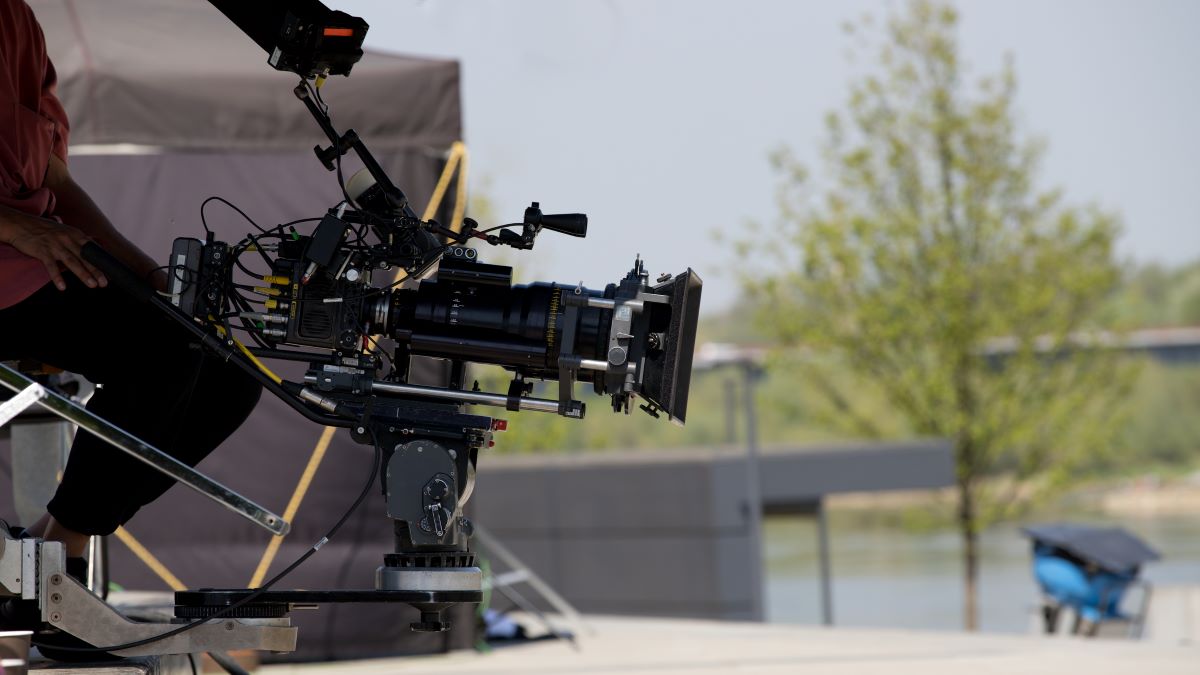
The camera is the audience’s eye. Its movement tells viewers where to look, how to feel, and even what to think. Directors carefully choreograph movement to:
-
Control pacing
-
Create tension or relief
-
Convey character perspective
-
Evoke empathy or fear
-
Highlight narrative shifts
Unlike static shots, moving cameras engage audiences on both a conscious and subconscious level. A poorly executed movement can confuse or distract, but a well-planned one can make an ordinary scene unforgettable.
Types of Camera Movement and Their Emotional Effects
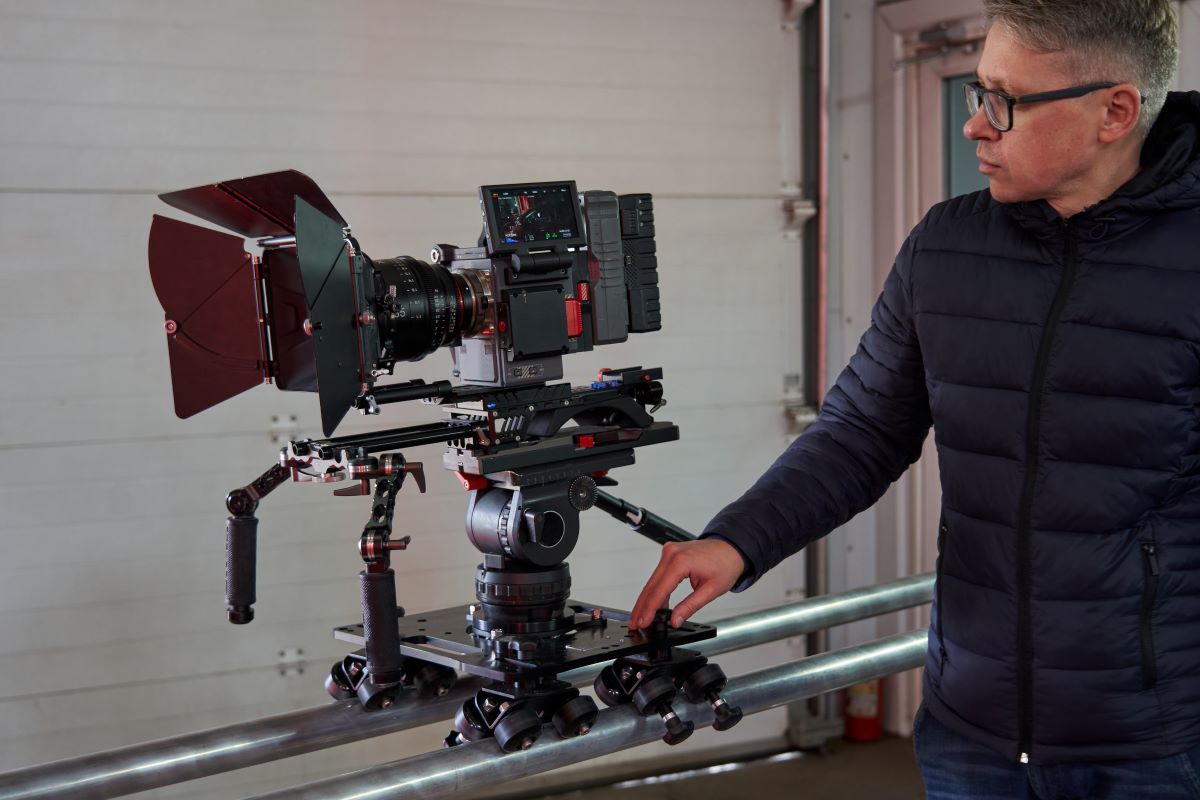
Here’s a detailed breakdown of the most common camera movements and how directors use them to influence audience emotions:
| Camera Movement | Description | Emotional Impact | Example Film |
|---|---|---|---|
| Dolly | Camera moves smoothly toward or away from a subject on a track | Builds tension, intimacy, or suspense | Jaws (1975) dolly-in to show fear |
| Tracking / Steadicam | Follows a subject while maintaining smooth motion | Immersion, excitement, or urgency | Goodfellas (1990) Copacabana shot |
| Pan | Horizontal movement from a fixed position | Reveals new information or shows scale | Lawrence of Arabia (1962) desert pan |
| Tilt | Vertical movement up or down | Power dynamics, awe, or vulnerability | The Shining (1980) elevator tilt |
| Handheld | Camera held manually, often shaky | Anxiety, realism, chaos | Saving Private Ryan (1998) battlefield scenes |
| Zoom | Lens changes focal length without camera moving | Focuses attention, creates disorientation | Vertigo (1958) dolly zoom |
| Crane / Jib | Large sweeping movements from above | Epic scale, freedom, or dramatic reveal | Gone with the Wind (1939) ballroom shot |
| Roll / Dutch Angle | Tilted camera to one side | Unease, tension, or instability | Inception (2010) dream sequences |
How Directors Choose Camera Movement to Guide Emotion
Directors make choices based on scene goals:
-
Tension and Suspense
Slow, creeping dolly-ins or handheld movements can heighten unease. For instance, Alfred Hitchcock often used dolly shots to slowly reveal danger, letting audiences anticipate and fear what comes next.Image suggestion: Suspenseful dolly-in scene setup
-
Character Connection
Tracking or Steadicam shots following characters allow audiences to feel present in their world. This builds empathy. Children of Men (2006) uses long tracking shots to make viewers experience the chaos alongside the characters. -
Revealing Information
Panning or tilting can direct focus gradually, controlling how and when the audience discovers elements of the scene. The Lord of the Rings frequently pans to show vast landscapes, evoking awe and the epic journey. -
Emotional Intensity
Handheld or jittery camera movements can make action feel immediate, chaotic, or terrifying. The Blair Witch Project famously used handheld cameras to create claustrophobia and fear. -
Psychological Effects
Camera movement can symbolize internal states. A dolly-back can create emotional distance, while a dolly-forward creates tension or intrusion. Dutch angles suggest instability or moral conflict.
Combining Movements for Maximum Effect
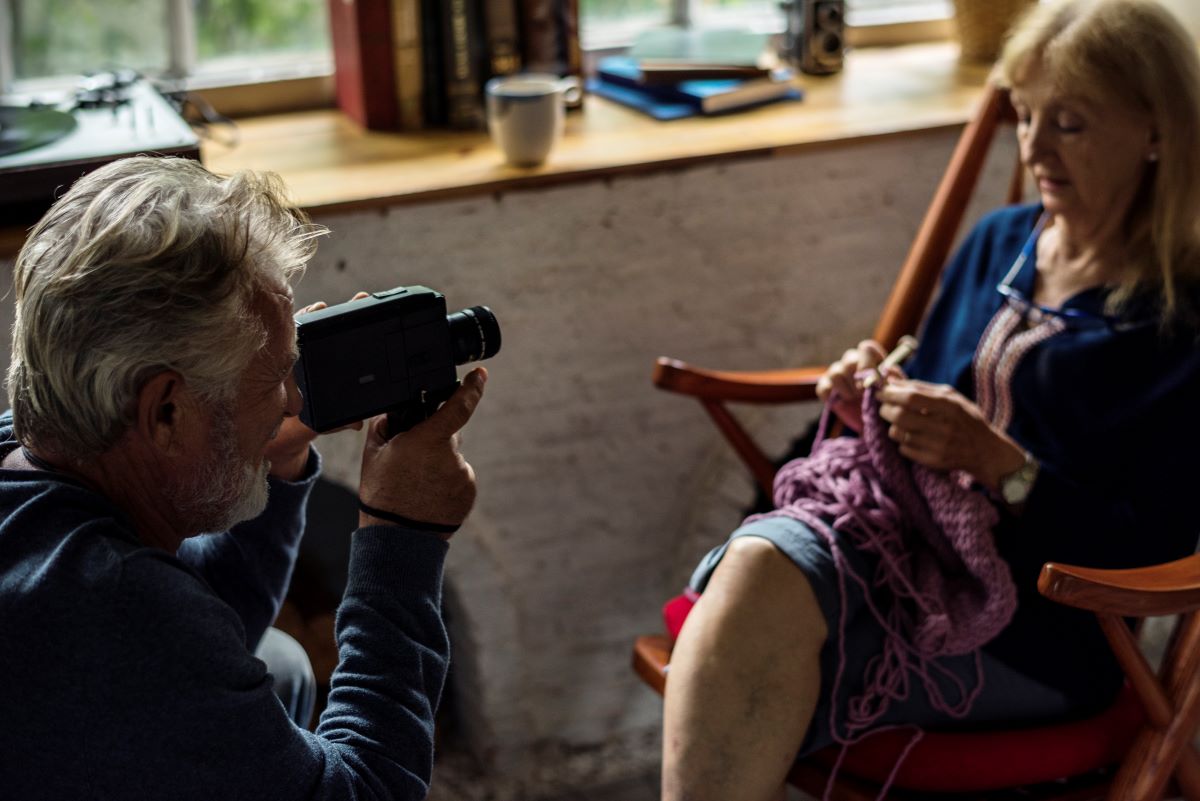
Directors often combine camera techniques to amplify emotion. For example:
-
Dolly + Handheld: Smooth movement interrupted by jarring shakes, creating sudden tension
-
Crane + Pan: Slowly reveal a character while showing the scale of their environment, evoking vulnerability
-
Zoom + Tilt: Highlight a character’s rising or falling dominance in a scene
Table Example: Camera Movement Combinations and Their Effects
| Combination | Purpose | Emotional Outcome | Example Film |
|---|---|---|---|
| Dolly-in + Handheld | Surprise or shock reveal | Anxiety, immersion | Jaws |
| Crane + Pan | Reveal environment slowly | Awe, vulnerability | The Lord of the Rings |
| Zoom + Tilt | Focus + character dynamics | Power shift, disorientation | Vertigo |
| Steadicam + Tracking | Follow action | Excitement, engagement | Birdman (2014) |
Advanced Camera Movement Techniques for Emotional Storytelling
Directors don’t just move the camera—they manipulate emotion and perception. Advanced techniques often combine motion, lens, and timing to subtly influence audience reactions.
1. The Dolly Zoom (Vertigo Effect)
The dolly zoom involves moving the camera toward or away from a subject while simultaneously zooming the lens in the opposite direction. This creates a disorienting effect, making the background appear to shift while the subject stays the same size.
-
Emotional impact: Anxiety, realization, or emotional shock
-
Famous use: Alfred Hitchcock’s Vertigo (1958) when the character experiences vertigo
2. Long Takes and Tracking Shots
Long takes with continuous movement immerse the audience in real time, creating tension or intimacy without cuts.
-
Emotional impact: Presence, suspense, or empathy
-
Famous use: Children of Men (2006) and Birdman (2014) use long tracking shots to make viewers feel they are part of the scene
3. Handheld and Shaky Cam
Handheld cameras simulate instability and realism. They put viewers in the middle of chaos or emotional unrest.
-
Emotional impact: Anxiety, fear, or urgency
-
Famous use: The Blair Witch Project (1999) and Saving Private Ryan (1998)
4. Crane and Jib Shots
Crane and jib shots provide vertical movement and sweeping panoramas. Directors use these to show scale or isolate characters in vast environments.
-
Emotional impact: Awe, isolation, or grandeur
-
Famous use: Gone with the Wind (1939) and The Lord of the Rings: The Return of the King (2003)
5. Dutch Angle / Tilted Shots
The Dutch angle tilts the camera to one side, making scenes feel unstable or off-balance.
-
Emotional impact: Tension, disorientation, moral conflict
-
Famous use: Inception (2010) dream sequences and thriller scenes
How Directors Use Camera Movement to Reflect Character Emotion
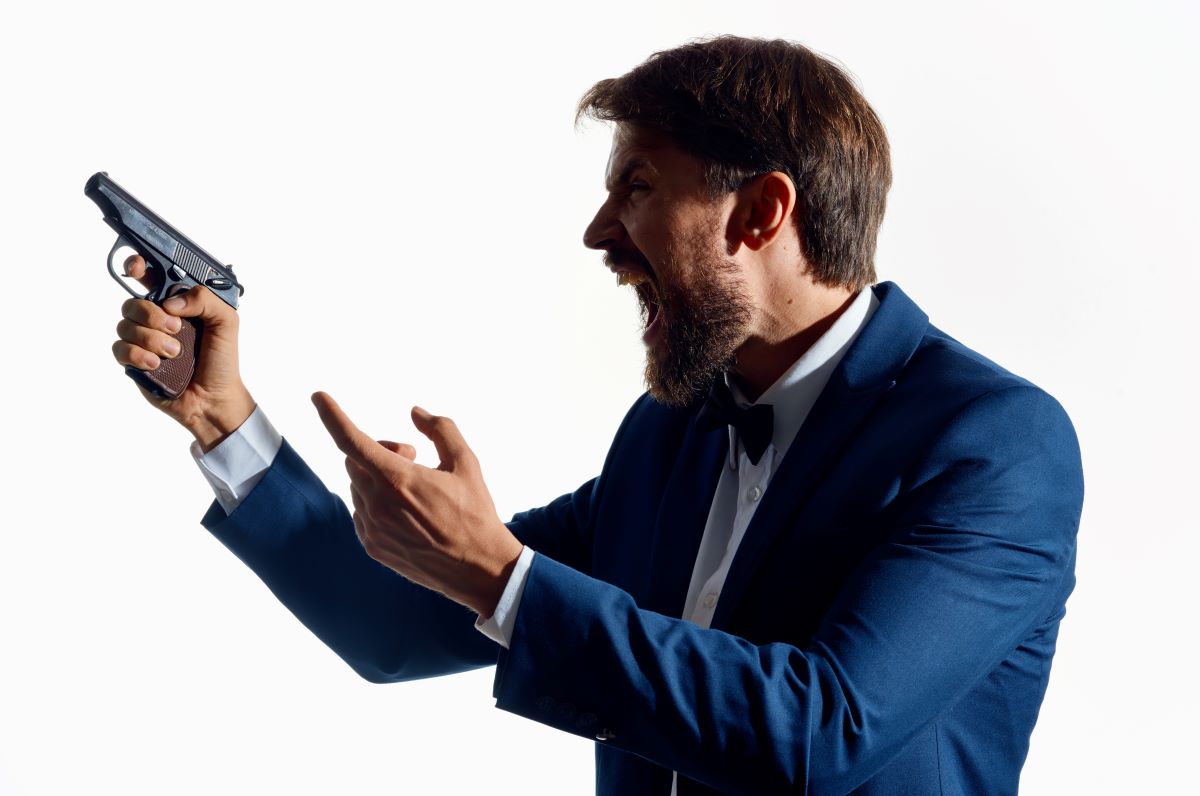
Directors align camera motion with internal states of characters:
-
Fear or Anxiety: Shaky handheld or tight dolly-in movements make viewers feel the character’s panic.
-
Power and Control: High-angle crane shots make characters look small, conveying vulnerability, while low-angle tracking shots create dominance.
-
Intimacy: Slow dolly-ins or subtle pans toward a character encourage empathy and connection.
-
Isolation: Long tracking shots or empty streets captured with wide angles emphasize solitude.
By matching motion to emotion, directors create subtle psychological influence without relying on dialogue.
Camera Movement in Action Sequences
In action films, Camera Movement is crucial for clarity and intensity:
-
Handheld + Tracking: Makes fights or chases feel immediate
-
Crane + Wide Pan: Reveals danger or scale in the environment
-
Quick Zooms and Cuts: Highlight critical moments
Proper camera movement ensures that excitement is felt rather than just seen.
Table Example: Camera Movements in Action Sequences
| Movement | Purpose | Emotional Outcome | Example Film |
|---|---|---|---|
| Handheld + Tracking | Follow characters in real time | Immersion, adrenaline | Mad Max: Fury Road |
| Crane + Wide Pan | Reveal battlefield or chase | Epic scale, tension | Gladiator |
| Zoom + Quick Cut | Highlight key action | Shock, intensity | The Dark Knight |
Camera Movement and Psychological Manipulation
Directors often use movement to guide subconscious responses:
-
Speed: Fast movements increase heart rate and excitement
-
Direction: Moving toward a character can feel intrusive; away can create detachment
-
Verticality: Moving upward often conveys hope or freedom; downward conveys oppression
Understanding these principles allows filmmakers to control audience emotion precisely, making Camera Movement one of the most powerful storytelling tools.
Iconic Examples of Emotional Camera Movement
-
Hitchcock’s Suspense: Psycho (1960) — Dolly-in to Marion in the shower creates rising tension.
-
Birdman (2014): Continuous Steadicam shots immerse viewers in theatrical chaos.
-
The Blair Witch Project (1999): Handheld camera amplifies fear and realism.
-
Vertigo (1958): Dolly zoom conveys dizziness and psychological distress.
-
Children of Men (2006): Long tracking shots create urgency and immersion in a dystopian world.
Each of these examples shows how directors link motion to emotion, proving that camera choices are as critical as acting or script.
Conclusion
Camera movement is more than a technical choice. It is a powerful emotional tool that allows directors to manipulate tension, intimacy, empathy, and chaos. From dolly-ins to handheld chaos, crane sweeps to Dutch angles, every motion serves a narrative purpose.
Understanding Camera Movement helps audiences appreciate films on a deeper level and provides filmmakers with tools to guide viewers’ emotions subtly yet effectively.
Whether crafting suspense, intimacy, or awe, directors prove that how a scene is shot can matter as much as what is happening in it. Mastery of Camera Movement is mastery of cinematic emotion.
Frequently Asked Questions
What is the primary purpose of Camera Movement in films?
Camera Movement directs the audience’s focus, shapes pacing, and influences emotions. By choosing the type of movement carefully, directors can create tension, intimacy, or excitement without dialogue.
Which Camera Movement is best for suspense?
Dolly-ins and handheld cameras are frequently used to build suspense. Slow, creeping motions increase anxiety, while handheld movements create instability and realism.
How do directors use Camera Movement to reflect a character’s psychology?
Camera Movement mirrors emotional states:
-
Low-angle tracking shots show dominance
-
High-angle crane shots show vulnerability
-
Shaky handheld conveys anxiety or fear
Can Camera Movement affect audience memory of a scene?
Yes. Dynamic movements like tracking, crane, and dolly shots make scenes more immersive, increasing emotional engagement and retention.
How can beginners learn to use Camera Movement effectively?
Beginners should study iconic films, practice with simple rigs (tripods, sliders, handheld), and experiment with speed, angle, and direction to understand emotional impact. For more tips on emotional storytelling techniques, see this external guide: No Film School: Camera Movement Tips and check our internal article for underrated techniques in filmmaking: Why Some Underrated Cinematic Techniques Work Better Than Popular Ones
Leave a comment