
Introduction
In the world of cinema, high production budgets are often associated with stunning visuals, intricate set designs, and breathtaking cinematography. Yet, surprisingly, some films manage to look like blockbusters while operating on shoestring budgets. These films captivate audiences, transport viewers into immersive worlds, and feel “big” without the massive financial outlay of mainstream studio productions.
This phenomenon has fascinated filmmakers, critics, and cinephiles alike: how can some films feel visually expensive even on a low budget? The answer lies in creative filmmaking techniques, smart production design, clever cinematography, and strategic use of lighting, color, and editing.
Understanding these principles can help aspiring filmmakers elevate their projects without requiring a Hollywood-scale budget, and it also allows audiences to appreciate the artistry behind cinematic illusions.
Understanding the Perception of Visual Wealth
When viewers describe a film as visually expensive, they usually mean the movie looks polished, immersive, and cinematic. It’s less about the actual cost and more about the perception of quality.
Key Elements That Affect Perceived Visual Budget
-
Lighting: Proper lighting can make inexpensive sets look rich and detailed.
-
Composition: Thoughtful framing creates a sense of scale and depth.
-
Color Grading: Color schemes can make scenes appear cinematic and high-end.
-
Set and Production Design: Minimal but carefully chosen props and locations create richness.
-
Camera Movement: Smooth tracking, dollies, and well-planned angles add professionalism.
-
Editing and VFX: Even subtle post-production work can elevate perceived quality.
By carefully combining these elements, filmmakers can craft Films Feel Visually Expensive while maintaining financial discipline.
The Role of Cinematography
Cinematography plays a crucial role in creating visual richness. Techniques such as composition, lens choice, depth of field, and camera movement contribute to the illusion of high production value.
1. Composition and Framing
Smart framing can suggest a larger scale than actually exists. For instance:
-
Using wide shots to make spaces appear grand
-
Placing objects strategically to hide budget constraints
-
Creating symmetry for aesthetically pleasing visuals
Even small apartments or limited sets can appear luxurious or cinematic when framed effectively.
2. Depth of Field and Lens Choice
Shallow depth of field helps separate subjects from backgrounds, creating a sense of cinematic polish. Wide-angle lenses can make tight spaces feel expansive, and long lenses can compress backgrounds to suggest scale.

Lighting: The Ultimate Budget Multiplier
Lighting is arguably the most powerful tool in making a film look expensive. Low-budget films often invest time in designing lighting setups that create drama, mood, and texture rather than spending on elaborate sets.
Techniques That Enhance Visual Perception
-
Practical Lighting: Using lamps, neon, or candlelight within the scene adds naturalistic warmth.
-
Motivated Lighting: Lighting that appears to come from windows, streetlights, or practical sources creates realism.
-
High Contrast and Shadows: Strategic shadows give depth and make simple sets feel complex.
Even minimal resources can yield cinematic visuals when lighting is used intentionally.
tegic Production Design
Production design is about creating an environment that feels authentic and immersive. Low-budget filmmakers often rely on:
-
Carefully Selected Props: One or two well-chosen items can imply wealth or scale.
-
Re-purposed or Multi-use Sets: Clever rearrangement can make the same location feel like multiple places.
-
Textural Detail: Small textures like fabrics, wallpapers, and wall art add visual richness.
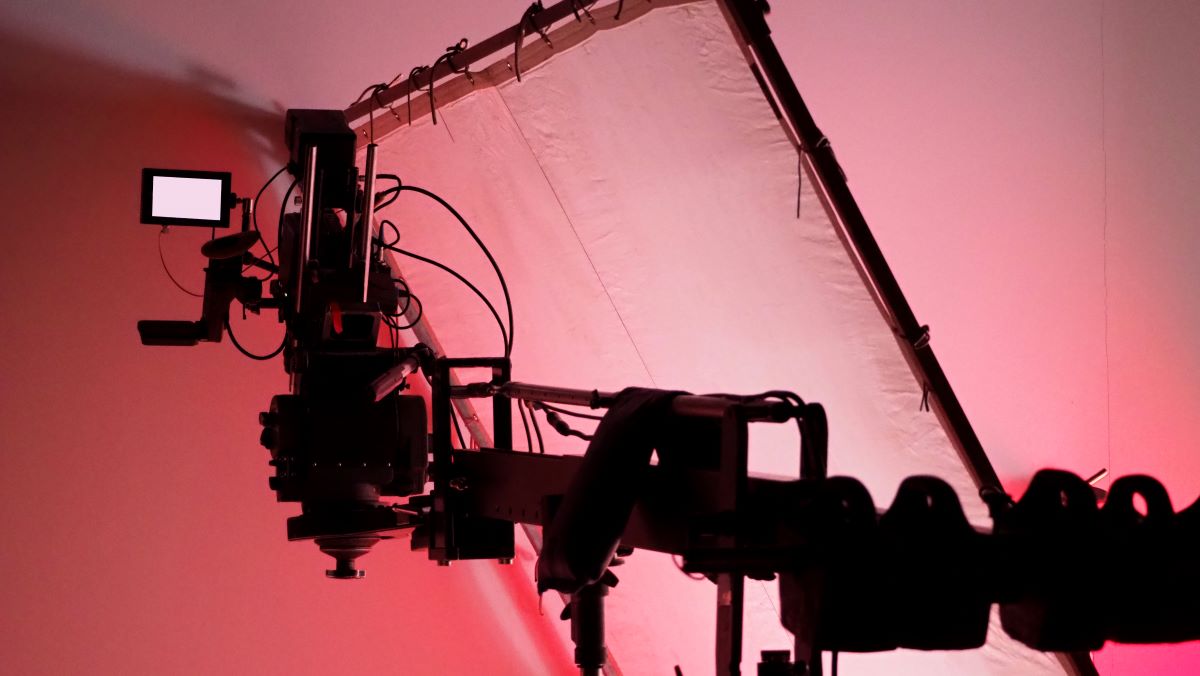
By focusing on visual storytelling rather than quantity, filmmakers make Films Feel Visually Expensive without overspending.
Color Grading and Post-Production
Color grading can dramatically alter the look and feel of a film. Post-production is where filmmakers can unify disparate shots, create mood, and enhance the perception of production value.
-
Warm Tones for Luxury: Using rich amber and gold hues can simulate high-end interiors.
-
Cool Tones for Modernity: Crisp blues and greys suggest sophistication.
-
Selective Saturation: Highlighting specific colors draws the eye and emphasizes visual storytelling.
Even on a low budget, consistent color grading can make the film feel cohesive, polished, and “expensive.”
Cost-effective Locations and Set Choices
Location scouting is another critical factor. Filmmakers can create high-budget illusions by choosing:
-
Architecturally interesting but free locations like libraries, old warehouses, or parks
-
Local businesses willing to collaborate in exchange for promotion
-
Outdoor locations with natural cinematic qualities such as forests, beaches, or urban streets
The combination of smart location choice, lighting, and framing often results in Films Feel Visually Expensive without costly set construction.
Low-budget film shooting in a visually striking outdoor location
Smart Camera Movement and Editing
Camera movement is a subtle yet powerful tool to elevate a film’s visual quality. Even low-budget productions can appear cinematic if the camera is used thoughtfully.
1. Camera Movement Techniques
-
Tracking Shots: Smooth movement following a subject creates a dynamic and high-end feel.
-
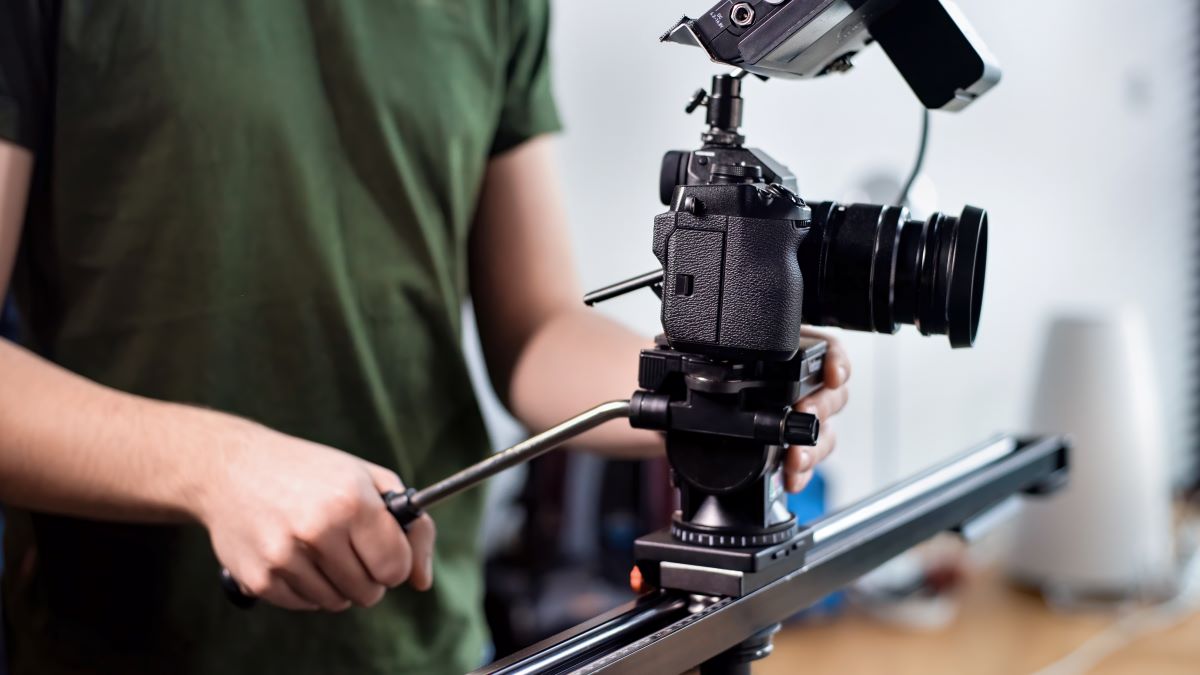
Dolly and Slider Shots: Small, controlled movements make scenes feel expansive and professional.
-
Handheld with Purpose: Even handheld shots can look cinematic when intentional and stabilized.
-
Static Composition with Depth: Careful placement of characters and objects can create a sense of scale without elaborate sets.
2. Editing Techniques
Editing also contributes to the perception of wealth in visuals:
-
Montages: Condensing time and space creatively makes low-budget locations feel larger.
-
Smooth Transitions: Dissolves, whip pans, and match cuts can make a film appear polished.
-
Pacing: Strategic rhythm in editing enhances drama and immersion, giving the impression of sophistication.
Through clever camera movement and editing, filmmakers transform simple settings into visually compelling narratives, making Films Feel Visually Expensive without expensive equipment.
Cost-effective Props and Costumes
Small details in props and costumes play a huge role in audience perception. Even one well-chosen item can communicate wealth, history, or style.
1. Props
-
Minimalism is Key: Use a few high-quality or visually striking items rather than cluttering a set.
-
Strategic Placement: Positioning props thoughtfully in the frame emphasizes richness and depth.
-
Repurposed Materials: Everyday objects can be transformed with paint, lighting, or framing to look luxurious.
2. Costumes
-
Color and Texture: Clothing with rich fabrics or deep colors can elevate the entire scene.
-
Accessories: Small details like watches, hats, or jewelry communicate wealth without massive expense.
-
Consistency: Coordinating costumes with set colors and lighting creates harmony, enhancing the perception of production value.
Even on a limited budget, careful attention to props and costumes makes a film appear layered, polished, and visually “expensive.”
Case Studies: Low-budget Films That Look High-budget
Some films have become famous for their ability to look visually expensive despite modest budgets:
| Film | Budget | Visual Techniques | Result |
|---|---|---|---|
| Paranormal Activity (2007) | $15,000 | Found-footage style, natural lighting | Suspenseful, realistic, immersive |
| Moonlight (2016) | $1.5 million | Strategic lighting, color grading, minimal sets | Cinematic and elegant |
| The Blair Witch Project (1999) | $60,000 | Handheld cameras, woods and natural locations | Tense, atmospheric, visually convincing |
| Clerks (1994) | $27,000 | Tight framing, character-focused shots, minimal props | Engaging, professional look |
| Primer (2004) | $7,000 | Subtle VFX, controlled locations, clever editing | Complex, high-end science fiction feel |
These films prove that storytelling, lighting, composition, and editing are far more important than big budgets in creating a visually immersive experience.
The Role of Sound Design and Subtle VFX
While visuals dominate, sound and effects contribute heavily to perceived production value:
-
Sound Design: A rich audio environment enhances immersion. Even subtle ambient sounds can make a location feel larger or more sophisticated.
-
Subtle VFX: Simple digital enhancements—like lighting tweaks, compositing, or digital set extensions—can significantly elevate a scene without large expenses.
-
Color and Motion Integration: Coordinating VFX with practical elements ensures a seamless cinematic feel.
By combining visual and auditory cues, filmmakers trick audiences into perceiving a higher production value than the actual budget allows.
Comparison Table: Low-budget vs High-budget Techniques
| Aspect | High-budget Approach | Low-budget Approach | How Low-budget Feels Expensive |
|---|---|---|---|
| Lighting | Multi-light rigs, cranes, advanced rigs | LED panels, practical lights, reflectors | Clever shadows and contrast simulate scale |
| Cinematography | Steadicams, drones, cranes | Sliders, handheld, tripods | Framing and movement create cinematic depth |
| Sets & Locations | Custom builds, exotic locations | Minimal sets, natural locations | Strategic composition and textures suggest richness |
| Props & Costumes | Designer props, high-end wardrobe | Selective items, reused materials | Strategic placement conveys luxury |
| Post-production | Advanced VFX, high-end grading | Subtle grading, minor VFX | Color harmony and polish simulate expensive visuals |
| Sound | Surround sound, foley teams | Ambient sounds, DIY foley | Layering creates immersive perception |
This table demonstrates that thoughtful planning and creativity allow filmmakers to make Films Feel Visually Expensive without the costs associated with large-scale productions.
Tips for Making Low-Budget Films Look Visually Expensive
Even with limited resources, filmmakers can achieve a high-end aesthetic by focusing on strategic decisions rather than sheer spending.
1. Plan Every Shot
Pre-visualization through storyboards or shot lists ensures each frame is purposeful. This avoids wasted setups and ensures every shot contributes to the film’s cinematic quality.
2. Maximize Natural Light
Shooting during golden hour or using large windows reduces lighting equipment needs while producing visually rich imagery. Reflectors and diffusers can enhance light without large budgets.
3. Use Depth and Layers
Foreground, midground, and background elements create depth, making small sets appear larger. Adding visual layers with props, textures, or architectural features enhances perception.
4. Focus on Color and Texture
Selecting locations, props, and costumes with complementary colors and textures creates a cohesive cinematic feel. Subtle color grading in post-production reinforces this richness.
5. Minimalism Over Clutter
Avoid overcrowding scenes with props or extras. Carefully chosen items communicate sophistication and scale more effectively than quantity.
6. Smart Camera Techniques
-
Use sliders, tripods, and handhelds creatively.
-
Employ wide angles or shallow depth of field to simulate scale.
-
Incorporate slow tracking shots to emulate big-budget cinematography.
7. Strategic Editing and Post-Production
-
Use subtle VFX for enhancements instead of full-scale CGI.
-
Layer sound effects and ambient noise to create immersion.
-
Apply color grading consistently to unify the visual style.
By combining these strategies, low-budget filmmakers can create Films Feel Visually Expensive, captivating audiences without a massive financial outlay.
How Audience Psychology Influences Perception
The audience’s brain associates visual cues with production value. Factors like lighting, composition, color, and movement subconsciously signal sophistication.
-
Contrast and Clarity: Crisp images suggest professionalism.
-
Composition: Balanced framing signals thoughtful design.
-
Lighting: Shadow and highlight manipulation conveys depth and complexity.
When these elements are carefully crafted, viewers perceive richness, regardless of actual spending. This explains why some films look big while costing very little.
Common Mistakes That Make Low-Budget Films Look Cheap
-
Poor Lighting: Flat or uneven lighting exposes low-budget sets.
-
Inconsistent Color Grading: Mismatched tones reduce cohesion.
-
Cluttered or Sparse Sets: Overcrowding or empty spaces break immersion.
-
Unrefined Editing: Rough cuts or awkward transitions signal amateurism.
-
Neglecting Sound Design: Weak audio undermines visual richness.
Avoiding these mistakes ensures that low-budget productions maintain high-end aesthetics.
Conclusion
Filmmaking is both an art and a science. While budgets can enhance possibilities, they do not guarantee visual quality. Some of the most visually compelling films have achieved cinematic splendor on shoestring budgets through careful planning, creativity, and understanding audience psychology.
The secret lies in leveraging lighting, camera techniques, composition, color, props, costumes, sound, and editing to craft every frame intentionally. Filmmakers who focus on these elements can create Films Feel Visually Expensive, engaging viewers and delivering a cinematic experience that rivals higher-budget productions.
By understanding how perception works, filmmakers can make smart choices that maximize impact without overspending. Audiences, in turn, can appreciate the artistry and ingenuity behind films that look richer than they are.
Ultimately, the magic of cinema is not in how much money is spent, but in how creatively every resource is used.
Frequently Asked Questions
What does it mean when a film feels visually expensive?
A film feels visually expensive when it looks polished, cinematic, and immersive, even if the actual budget is low. This effect is achieved through careful lighting, composition, color grading, props, costumes, and editing, which makes Films Feel Visually Expensive to the audience.
How can low-budget films achieve a high-end look?
Low-budget films can look expensive by using strategic camera angles, minimalistic but detailed sets, layered lighting, consistent color grading, and thoughtful sound design. Even subtle visual and audio choices can make Films Feel Visually Expensive without a blockbuster budget.
Do props and costumes make a difference in production value perception?
Absolutely. Carefully chosen props and costumes add depth, texture, and sophistication. Even a few key items can dramatically elevate the perceived budget of a scene, helping the film appear more professional and immersive.
Are high budgets necessary for cinematic quality?
No. Many films achieve cinematic quality through creativity, planning, and resourceful filmmaking techniques. By understanding audience perception, filmmakers can make Films Feel Visually Expensive without spending millions.
How does audience psychology influence perceived visual quality?
Audiences subconsciously associate lighting, color, framing, and sound with production value. By manipulating these elements thoughtfully, low-budget films can feel as rich and immersive as high-budget productions.
Where can I learn more about creative illusions and artistic storytelling in film?
The idea of crafting perception beyond reality is explored in artistic practices like the artistic clown, which shows how storytelling and visual cues influence audience perception. You can read more about it here:
https://www.svelted.com/artistic-clown/
How can filmmakers hire skilled talent to enhance low-budget productions?
Even on a tight budget, filmmakers can hire freelance editors, VFX artists, and post-production talent to make their films look polished. Trusted websites offer access to professionals who can elevate visuals without large costs. For a curated list of top platforms, check this resource:
https://filmfuse.com/top-websites-to-hire-freelance-film-editors-and-post-production-talent-in-2025/
Can low-budget films compete visually with big studio films?
Yes. Many independent films demonstrate that with strong planning, creative direction, and attention to detail, it is possible for Films Feel Visually Expensive to compete visually with high-budget productions, captivating audiences through ingenuity rather than cost.
Leave a comment