

Introduction
The global film industry has undergone a dramatic transformation in recent years. Advances in digital tools, cloud based workflows, and global collaboration platforms have made it possible for filmmakers to work with talent from anywhere in the world. As a result, Remote Film Production Teams are no longer a temporary solution but a long term operational model.
From independent filmmakers to large studios, managing crews across different time zones, cultures, and technical environments has become a core skill. While remote production offers flexibility and access to diverse talent, it also introduces new challenges related to communication, coordination, and creative alignment.
This guide provides a complete breakdown of how to successfully manage Remote Film Production Teams, covering tools, workflows, leadership strategies, common challenges, and proven solutions.
What Are Remote Film Production Teams
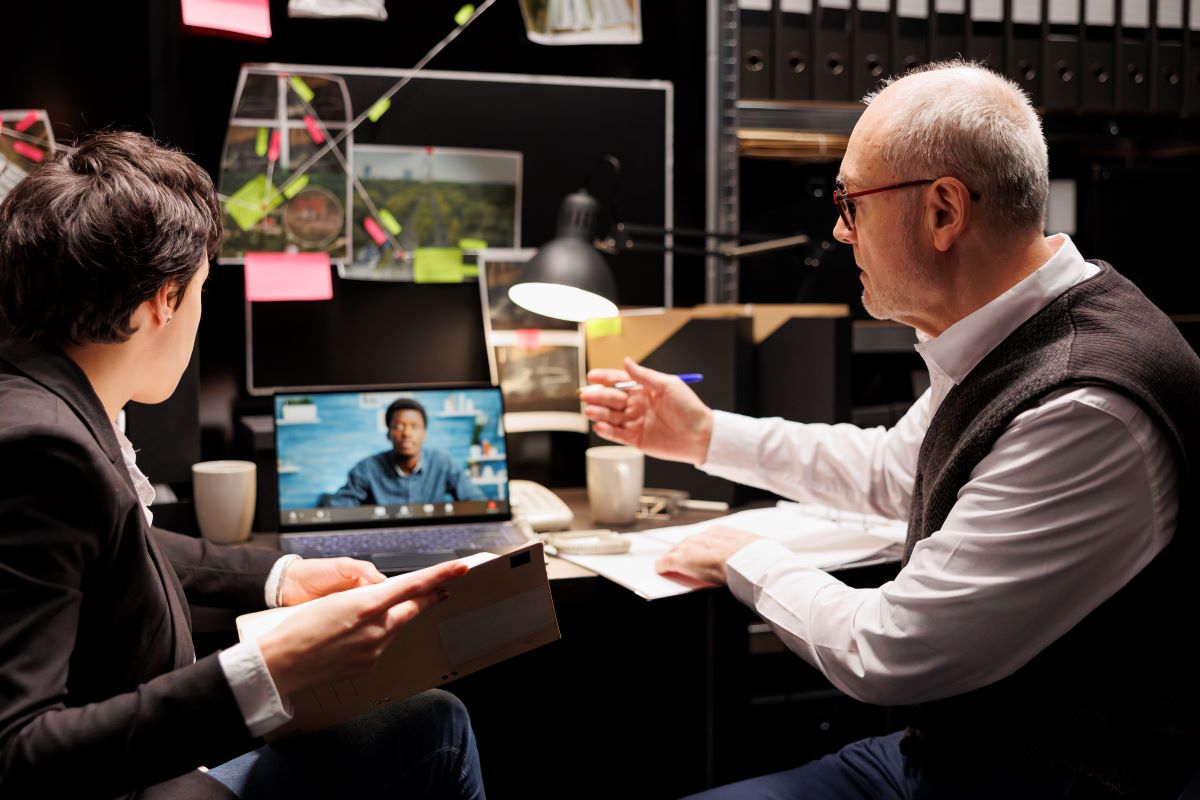
Remote Film Production Teams consist of filmmakers, editors, cinematographers, sound designers, writers, and producers who collaborate from different locations instead of working on a single physical set or studio.
These teams may be partially remote or fully distributed, depending on the project requirements.
Roles Commonly Included in Remote Film Production Teams
-
Directors and producers
-
Screenwriters
-
Editors and colorists
-
Sound designers and composers
-
Visual effects artists
-
Production managers
Why Remote Film Production Teams Are Becoming the Industry Standard
Several factors have contributed to the rapid adoption of Remote Film Production Teams.
Key Drivers of Remote Film Production
-
Global access to specialized talent
-
Reduced travel and accommodation costs
-
Faster production timelines
-
Flexible work schedules
-
Improved work life balance
-
Technological advancements in cloud collaboration
These advantages allow filmmakers to scale projects efficiently without being limited by geography.
Benefits of Managing Remote Film Production Teams
When managed correctly, remote teams can outperform traditional on site crews.
Major Benefits
-
Expanded Talent Pool
Filmmakers can hire the best talent globally rather than locally. -
Cost Efficiency
Reduced expenses related to travel, studio rental, and accommodation. -
Faster Turnaround
Teams in different time zones can work around the clock. -
Creative Diversity
Global perspectives enrich storytelling and creative decisions. -
Scalability
Easily scale teams up or down based on project needs.
Core Challenges of Remote Film Production Teams
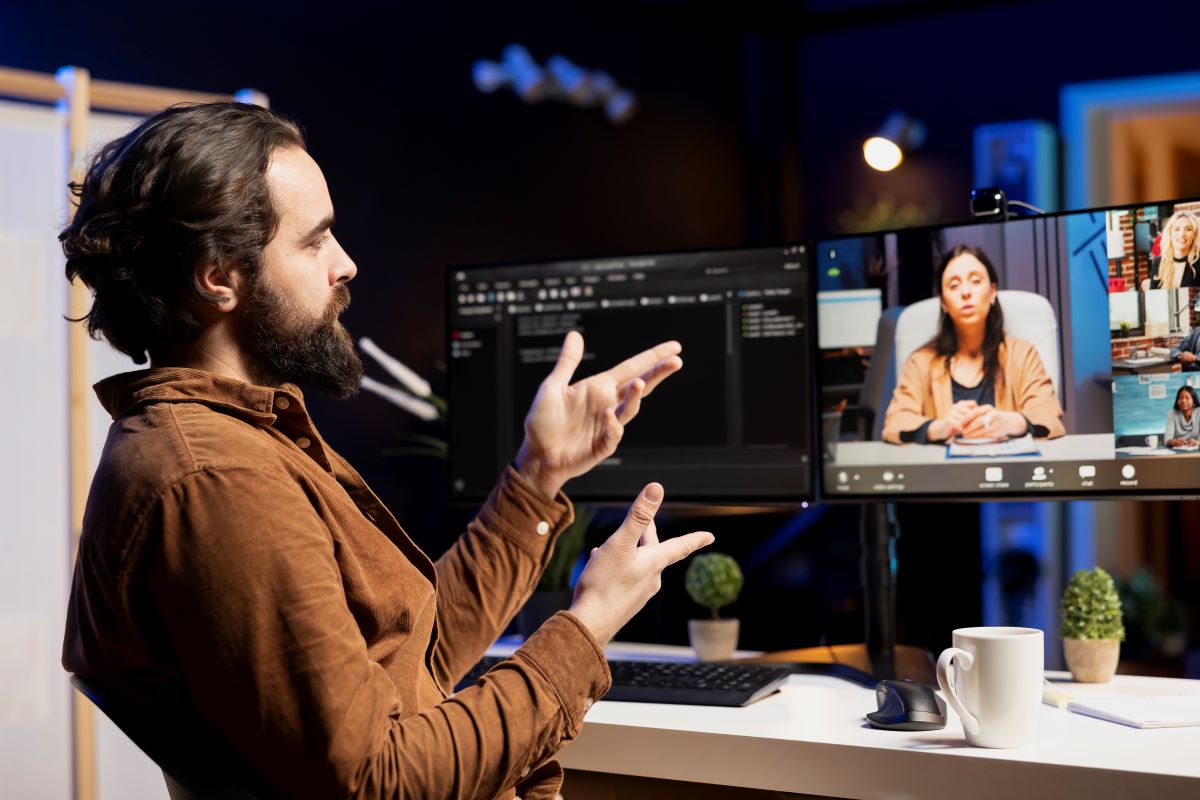
Despite the advantages, managing Remote Film Production Teams presents unique challenges that must be addressed proactively.
Common Challenges
-
Communication gaps
-
Time zone coordination
-
Creative misalignment
-
Data security concerns
-
Workflow inconsistencies
-
Lack of team cohesion
Recognizing these challenges early allows producers to design better systems and workflows.
Essential Skills for Managing Remote Film Production Teams
Successful remote management requires more than technical tools. Leadership skills play a crucial role.
Key Management Skills
-
Clear communication and documentation
-
Strong project planning
-
Empathy and cultural awareness
-
Decision making under uncertainty
-
Conflict resolution
-
Technical literacy
Managers who master these skills can maintain productivity and morale across distributed teams.
Communication Strategies for Remote Film Production Teams
Communication is the backbone of any remote operation.
Best Practices for Communication
-
Schedule regular check ins
-
Use clear written documentation
-
Establish response time expectations
-
Centralize communication channels
-
Encourage feedback and transparency
Using structured communication reduces misunderstandings and keeps everyone aligned.
Table: Communication Tools for Remote Film Production Teams
| Tool Type | Purpose | Examples |
|---|---|---|
| Messaging Platforms | Daily communication | Slack, Microsoft Teams |
| Video Conferencing | Creative discussions | Zoom, Google Meet |
| Project Management | Task tracking | Trello, Asana |
| File Sharing | Media exchange | Google Drive, Dropbox |
| Review Platforms | Feedback and approvals | Frame.io |
Building Trust in Remote Film Production Teams
Trust is harder to build when teams are not physically together, but it is even more important.
Ways to Build Trust
-
Be transparent with expectations
-
Recognize contributions publicly
-
Encourage autonomy
-
Maintain consistency in leadership
-
Foster open dialogue
A culture of trust improves collaboration and reduces micromanagement.

Designing Efficient Workflows for Remote Film Production Teams
A well structured workflow is essential for keeping Remote Film Production Teams aligned, productive, and creative. Without a physical set, clarity replaces proximity.
Key Principles of Remote Production Workflows
-
Centralized file storage and access
-
Clearly defined stages of production
-
Standardized naming conventions
-
Clear approval hierarchies
-
Documented processes
Every team member should understand where their work fits in the larger production pipeline.

Managing Pre Production with Remote Film Production Teams
Pre production sets the foundation for a smooth remote shoot.
Remote Pre Production Tasks
-
Script development and revisions
-
Storyboarding and shot planning
-
Casting via virtual auditions
-
Location scouting using digital references
-
Scheduling and budgeting
Clear documentation during pre production minimizes confusion during production and post production.
Remote Production Management Techniques
Even when filming occurs on location, much of the production oversight can remain remote.
Best Practices During Production
-
Assign local on site coordinators
-
Conduct daily virtual briefings
-
Use live feeds when possible
-
Share footage immediately after shooting
-
Maintain clear reporting structures
Remote producers can monitor progress and provide feedback without being physically present.
Managing Post Production Remotely
Post production is where Remote Film Production Teams truly shine.
Post Production Roles in Remote Teams
-
Video editors
-
Sound designers
-
Color graders
-
Visual effects artists
-
Music composers
Cloud based editing platforms allow real time collaboration, review, and approval.
Remote Post Production Workflow
| Stage | Task | Tools Commonly Used |
|---|---|---|
| Editing | Rough and final cuts | Adobe Premiere Pro, Final Cut Pro |
| Sound | Dialogue and effects | Pro Tools, Audition |
| Color | Color grading | DaVinci Resolve |
| VFX | Visual effects | After Effects, Blender |
| Review | Feedback and approval | Frame.io |
Time Zone Management for Remote Film Production Teams
Time zone differences can be a challenge or a competitive advantage.
Time Zone Strategies
-
Establish overlapping working hours
-
Rotate meeting times fairly
-
Use asynchronous communication
-
Share detailed meeting notes
-
Set realistic deadlines
When managed properly, time zones allow for nearly continuous progress.
Maintaining Creative Alignment Across Remote Film Production Teams
Creative consistency is critical to storytelling.
Methods to Maintain Alignment
-
Creative briefs and style guides
-
Reference films and mood boards
-
Regular creative reviews
-
Clear visual standards
-
Open creative discussions
Alignment ensures that all contributors are working toward the same artistic vision.
Security and Data Protection in Remote Film Production
Protecting intellectual property is a top priority when working remotely.
Security Best Practices
-
Use encrypted file sharing platforms
-
Control access permissions
-
Watermark review footage
-
Require secure passwords
-
Educate team members on security risks
Security protocols safeguard footage and sensitive information.
Budget Management for Remote Film Production Teams
Remote production can reduce costs, but only with careful planning.
Cost Saving Areas
-
Reduced travel expenses
-
Lower studio rental costs
-
Flexible staffing
-
Faster turnaround times
Budget Risks to Monitor
-
Software subscription costs
-
Cloud storage fees
-
Time zone inefficiencies
-
Communication delays

Cost Comparison Between Remote and Traditional Production
| Expense Category | Traditional Production | Remote Film Production Teams |
|---|---|---|
| Travel | High | Minimal |
| Accommodation | High | None |
| Equipment Transport | Significant | Reduced |
| Collaboration Tools | Limited | Moderate |
| Talent Access | Local | Global |
Maintaining Team Morale in Remote Film Production Teams
Remote teams need intentional culture building.
Morale Building Strategies
-
Celebrate milestones virtually
-
Encourage informal conversations
-
Provide clear feedback
-
Respect work life balance
-
Recognize individual contributions
Strong morale leads to better collaboration and creativity.
Final Conclusion: The Future of Remote Film Production Teams
Remote Film Production Teams are no longer an experimental approach. They represent a sustainable, scalable, and innovative way to produce films in a globalized industry. With the right workflows, communication strategies, leadership skills, and tools, remote teams can deliver work that rivals or exceeds traditional productions.
By embracing flexibility, prioritizing clarity, and investing in collaboration infrastructure, filmmakers can unlock new creative possibilities while reducing costs and expanding access to talent worldwide.
FAQs About Remote Film Production Teams
What are Remote Film Production Teams
Remote Film Production Teams are distributed film crews that collaborate from different locations using digital tools and cloud based workflows.
Are Remote Film Production Teams effective for large projects
Yes, with proper management, workflows, and communication systems, Remote Film Production Teams can successfully handle large scale film and media projects.
What tools are essential for Remote Film Production Teams
Essential tools include project management platforms, cloud storage, video conferencing software, and review and approval systems.
How do Remote Film Production Teams handle time zone differences
Teams use overlapping work hours, asynchronous communication, rotating meeting schedules, and detailed documentation to manage time zones.
Is remote film production secure
Remote film production can be secure when using encrypted platforms, access controls, and proper data protection practices.
Where can Remote Film Production Teams find actors online
Remote Film Production Teams can use specialized online casting platforms to audition and hire actors globally without in person meetings. A detailed guide to the best casting platforms can be found here
https://filmfuse.com/best-online-platforms-for-casting-actors-in-indie-films-2025-guide/
Leave a comment