
Introduction
The rapid growth of artificial intelligence has sparked intense debate across creative industries. From writing and video editing to design and publishing, automation tools are becoming faster, cheaper, and more accessible. This shift has raised an important question are Human Editors becoming obsolete in 2026?
Human Editors have traditionally played a critical role in shaping content quality, accuracy, tone, and emotional impact. They refine raw material, ensure clarity, and maintain consistency across platforms. However, modern AI powered editing tools now claim to perform many of these tasks instantly. This creates uncertainty about the future role of Human Editors in publishing, journalism, marketing, and entertainment.
This article explores whether Human Editors are truly being replaced or whether their role is simply evolving. By examining technology trends, industry use cases, limitations of automation, and the unique value of human judgment, we will uncover the real position of Human Editors in 2026 and beyond.
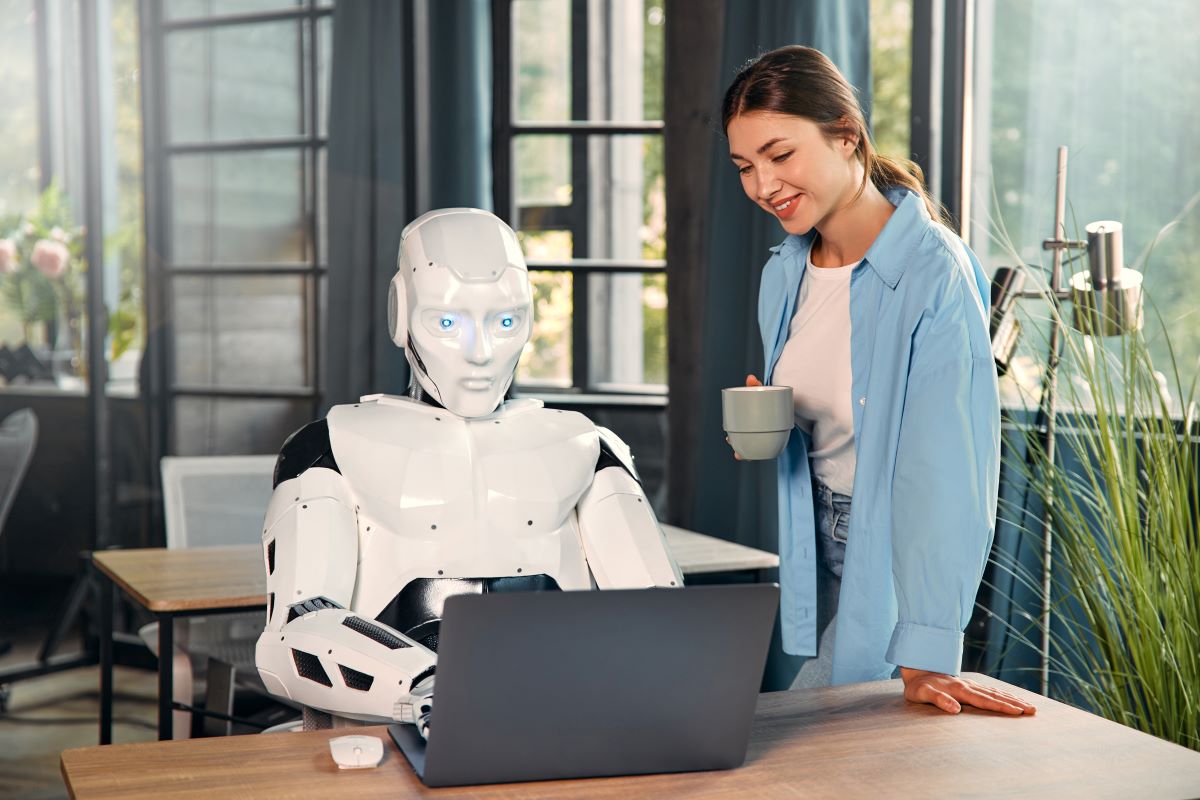
Who Are Human Editors and Why They Matter
Human Editors are professionals who review, refine, and improve content created by writers, filmmakers, journalists, and brands. Their work goes far beyond correcting grammar.
Core Responsibilities of Human Editors
Improving clarity and flow
Ensuring factual accuracy
Maintaining brand voice
Enhancing emotional impact
Checking ethical and cultural sensitivity
Human Editors act as quality gatekeepers, protecting credibility and audience trust.
The Historical Importance of Human Editors
Before digital automation, Human Editors were essential in every form of media.
Traditional Editing Roles
Newspaper editors controlled publication standards
Book editors shaped manuscripts
Film editors structured narratives
Broadcast editors ensured compliance
Without Human Editors, content rarely reached professional standards.
The Rise of AI Editing Tools
Advancements in artificial intelligence have introduced tools capable of editing text, video, and audio automatically.
What AI Editors Can Do
Correct grammar and spelling
Suggest sentence restructuring
Adjust pacing in video edits
Optimize content for SEO
Detect basic inconsistencies
These capabilities have led many to question whether Human Editors are still needed.
Why AI Tools Are Gaining Popularity
AI editing tools are attractive because they are fast and scalable.
Key Reasons for Adoption
Lower cost than hiring Human Editors
Instant feedback
Ability to process large volumes of content
Easy integration with workflows
For businesses producing high volumes of content, automation seems efficient.
Comparing Human Editors and AI Editors
Despite AI progress, significant differences remain.
Core Differences in Editing Approach
Human Editors rely on judgment, experience, and context.
AI editors rely on patterns, data, and probability.
Comparison Table Human Editors vs AI Editors
| Aspect | Human Editors | AI Editors |
|---|---|---|
| Context Understanding | Deep | Limited |
| Emotional Insight | Strong | Minimal |
| Speed | Moderate | Instant |
| Creativity | High | Restricted |
| Ethical Judgment | Human based | Rule based |
The Limitations of AI Editing
While powerful, AI editors have clear weaknesses.
Lack of True Understanding
AI does not understand meaning the way Human Editors do. It predicts patterns rather than comprehending intent.
Cultural and Ethical Blind Spots
Human Editors recognize sensitive topics, bias, and tone shifts that AI often misses.
Creativity Constraints
AI can refine but rarely elevate creative work. Human Editors shape narratives and emotional impact.
Are Human Editors Being Replaced or Repositioned
The evidence suggests transformation rather than elimination.
Changing Role of Human Editors
Overseeing AI outputs
Making final judgment calls
Handling high level editing
Ensuring originality and ethics
Human Editors are moving from mechanical editing to strategic oversight.
Industry Perspectives on Human Editors in 2026
Different industries view the future differently.
Journalism and Publishing
Accuracy and trust remain critical. Human Editors are still essential for fact checking and editorial standards.
Marketing and Branding
Human Editors ensure brand voice consistency and emotional engagement.
Film and Media Production
Editing requires storytelling intuition that automation cannot replace.
 \
\
Productivity Gains Without Obsolescence
AI tools often enhance productivity rather than replace Human Editors.
Human Editors use AI for first pass edits
They focus on refining quality
They reduce turnaround time
This collaboration increases output without sacrificing standards.
Summary of Key Insights So Far
| Area | Outcome |
|---|---|
| Speed | AI advantage |
| Quality | Human Editors lead |
| Judgment | Human Editors essential |
| Scalability | AI supports |
| Creativity | Human Editors dominate |
The Economic Impact on Human Editors in 2026
The rise of automation has undeniably changed the economics of content production. However, this does not automatically mean the disappearance of Human Editors.
Job Market Shifts for Human Editors
Instead of mass replacement, the editing job market is experiencing a shift in expectations.
Entry level editing roles are decreasing
Senior and specialized editor roles are increasing
Hybrid editor and strategist positions are emerging
Human Editors who adapt their skills are finding new opportunities rather than losing relevance.
Freelance and Remote Opportunities
Digital platforms have expanded global access to editing work. Human Editors can now work with international clients, publishers, and creators without geographic limitations.
Skills Human Editors Need to Stay Relevant in 2026
The role of Human Editors is evolving, and so are the required skills.
Essential Skills for Modern Human Editors
Advanced language and storytelling skills
Critical thinking and decision making
Ethical and cultural awareness
AI tool literacy
SEO and content strategy understanding
Human Editors who combine creativity with technical awareness are becoming more valuable, not less.
The Importance of Editorial Judgment
One of the strongest arguments against obsolescence is editorial judgment.
Why Judgment Cannot Be Automated
Understanding nuance and subtext
Recognizing misinformation
Evaluating tone for sensitive audiences
Balancing creativity with responsibility
These decisions require human experience and accountability.
Ethical Risks of Removing Human Editors
Relying solely on automation introduces serious risks.
Content Quality and Trust Issues
AI can unintentionally spread misinformation
Errors can scale quickly
Lack of accountability damages credibility
Human Editors act as ethical safeguards, ensuring content meets professional and moral standards.
Human Editors and Brand Trust
Brands depend on trust to survive.
Why Brands Still Need Human Editors
Consistency in voice and messaging
Protection from reputational harm
Alignment with audience values
Automated tools cannot fully understand brand identity the way Human Editors can.
Collaboration Models Between AI and Human Editors
The future lies in collaboration, not competition.
How Collaboration Works
AI handles repetitive tasks
Human Editors oversee quality
Final approval remains human driven
This model allows faster production without sacrificing standards.
Workflow Table AI and Human Editors
| Stage | AI Role | Human Editors Role |
|---|---|---|
| Draft Review | Grammar checks | Structural edits |
| Optimization | SEO suggestions | Intent alignment |
| Final Review | Error detection | Quality judgment |
Case Studies Where Human Editors Remain Essential
Journalism
Investigative journalism relies heavily on Human Editors for verification and legal responsibility.
Film and Media
Story pacing, emotional arcs, and narrative coherence still require human decision making.
Academic and Medical Publishing
Accuracy and ethical responsibility make Human Editors irreplaceable.
Public Perception of Human Editors
Audiences are becoming more aware of AI generated content.
Many readers value human reviewed content
Transparency builds trust
Human Editors add credibility
This awareness increases demand for human involvement rather than eliminating it.
Are Human Editors Truly Becoming Obsolete
The evidence strongly suggests no.
Human Editors are not disappearing
They are evolving into higher value roles
They are becoming supervisors, strategists, and guardians of quality
Automation changes how Human Editors work, not whether they work.
Future Outlook for Human Editors Beyond 2026
Looking ahead, Human Editors will likely:
Lead AI assisted workflows
Focus on creativity and ethics
Play a central role in content governance
As content volume grows, the need for Human Editors may actually increase.
Final Conclusion Are Human Editors Becoming Obsolete in 2026
Human Editors are not becoming obsolete in 2026. Instead, they are transitioning into more strategic, influential, and essential roles. While AI editing tools offer speed and efficiency, they lack judgment, creativity, emotional intelligence, and ethical responsibility.
Human Editors provide what automation cannot trust, accountability, and meaning. In a world flooded with content, these qualities are more valuable than ever. The future belongs not to machines alone, but to Human Editors who embrace technology while preserving the human standards that define quality communication.
Frequently Asked Questions
Are Human Editors being replaced by AI in 2026
Human Editors are not being replaced by AI in 2026. While automation assists with repetitive tasks, Human Editors remain essential for judgment, creativity, ethical oversight, and maintaining content quality.
What roles will Human Editors have in the future
Human Editors will increasingly work as strategic reviewers, content guardians, and supervisors of AI assisted workflows. Their role will focus on decision making rather than mechanical editing.
Can AI fully replace Human Editors
AI cannot fully replace Human Editors because it lacks emotional intelligence, contextual awareness, and accountability. Human Editors are needed to evaluate meaning, tone, and cultural sensitivity.
How do Human Editors compare to film critics in shaping content
Both Human Editors and Film Critics influence how content is shaped and perceived, but in different ways. While Human Editors ensure quality and accuracy behind the scenes, Film Critics influence audience interpretation after release. A deeper discussion on influence and human judgment can be explored here
https://filmfuse.com/do-film-critics-influence-what-we-watch-more-than-algorithms/
Do companies still hire Human Editors in 2026
Yes many organizations still actively hire Human Editors, particularly in journalism, publishing, marketing, and media where accuracy and trust are critical.
How can Human Editors stay relevant as AI evolves
Human Editors can stay relevant by learning AI tools, improving strategic editing skills, and focusing on creativity, ethics, and high level decision making.
Where can readers learn more about the history and role of Human Editors
Readers seeking an authoritative overview of editing roles and editorial standards can explore this resource
https://en.wikipedia.org/wiki/Editing
Leave a comment