
Introduction
The film industry has always evolved alongside technology, from the introduction of sound to digital cinematography. Today, one of the most powerful forces reshaping filmmaking is Machine Learning. What once required countless hours of manual labor can now be assisted or even automated using intelligent algorithms.
In film editing and visual effects, Machine Learning is transforming workflows, accelerating production, and expanding creative possibilities. Editors and VFX artists no longer rely solely on traditional tools. Instead, they collaborate with systems that analyze data, recognize patterns, and make intelligent suggestions.
This article explores how Machine Learning is changing film editing and VFX, the tools involved, the benefits and challenges, and what the future holds for intelligent filmmaking technologies.
Understanding Machine Learning in Filmmaking
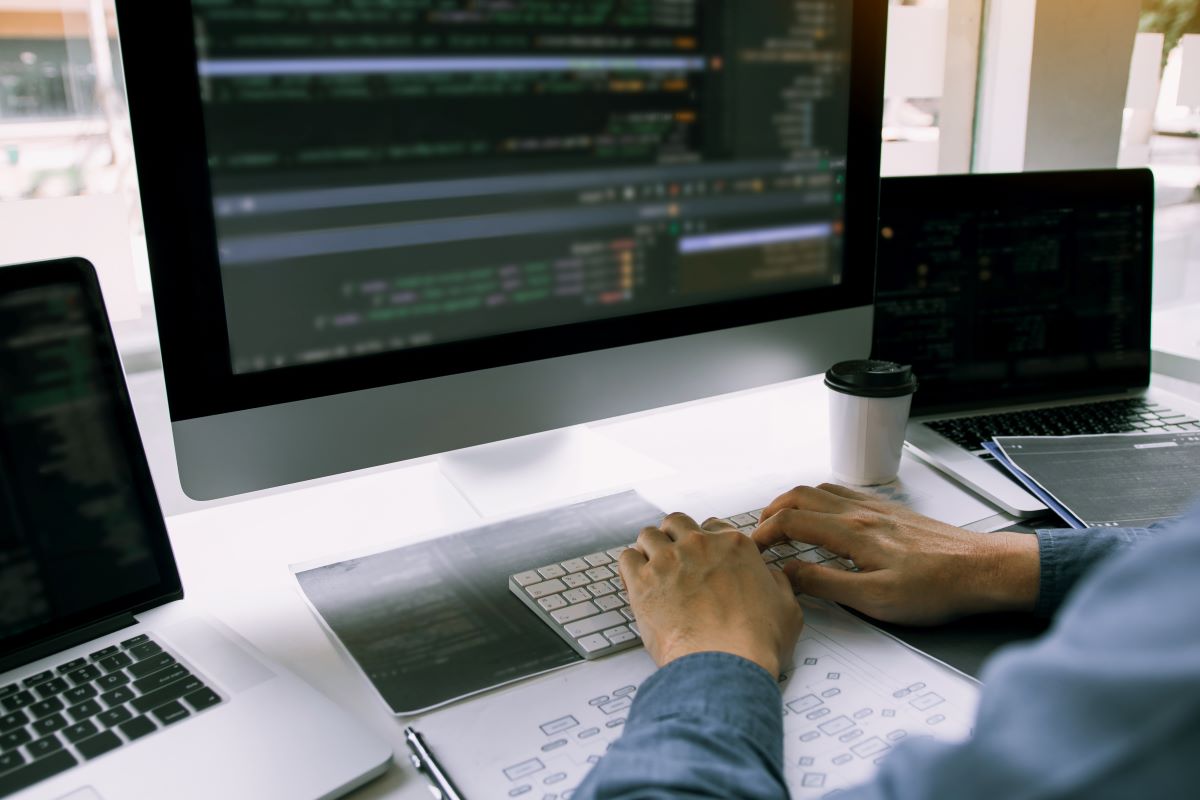
Machine Learning is a branch of artificial intelligence that allows systems to learn from data and improve performance without being explicitly programmed. In filmmaking, Machine Learning models are trained on massive datasets of images, videos, sound, and editing patterns.
These systems can recognize faces, detect objects, analyze motion, enhance visuals, and even predict audience engagement. As a result, Machine Learning has become a valuable assistant rather than a replacement for creative professionals.
How Machine Learning Is Transforming Film Editing
Film editing is a time intensive process that requires precision and storytelling instincts. Machine Learning is reshaping this stage by automating repetitive tasks and enhancing creative decision making.
Automated Footage Sorting and Organization
One of the most practical uses of Machine Learning in editing is footage organization. Intelligent systems can automatically tag clips based on faces, locations, dialogue, or camera movement.
This allows editors to find the right shot instantly, reducing hours spent searching through raw footage.
Smart Scene Detection and Shot Selection
Machine Learning tools can analyze footage and identify the best takes based on focus, exposure, motion stability, and facial expressions. Some systems even suggest scene assemblies based on script analysis.
While final decisions remain with editors, these tools significantly speed up the editing process.
Intelligent Video Editing Assistance
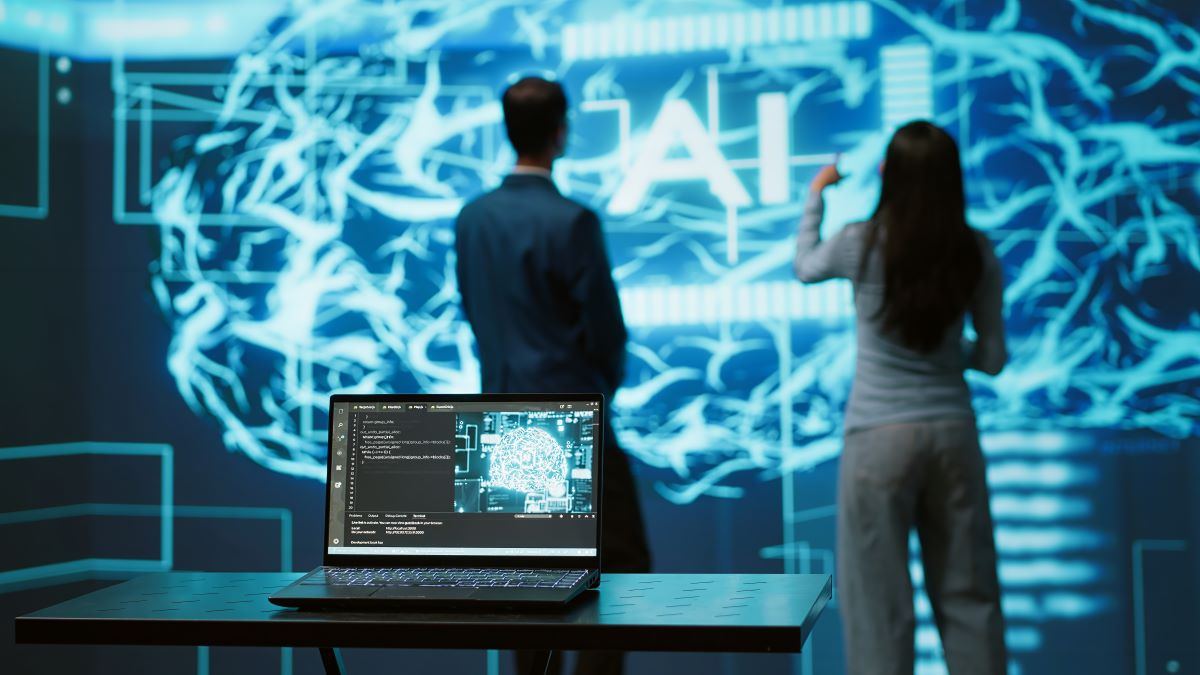
Machine Learning powered editing assistants can recommend cuts, transitions, and pacing adjustments. These systems learn from existing editing styles and adapt suggestions to match genre and tone.
This does not replace human creativity but enhances efficiency and consistency.
Machine Learning in Visual Effects and CGI
Visual effects have benefited enormously from Machine Learning. Tasks that once required large teams and long timelines can now be completed more efficiently.
Automated Rotoscoping and Masking
Rotoscoping traditionally involved manually tracing objects frame by frame. Machine Learning now enables automated masking by recognizing subjects and tracking them accurately across frames.
This innovation alone has saved countless production hours.
AI Driven Image and Video Enhancement
Machine Learning enhances resolution, reduces noise, stabilizes footage, and restores old or damaged film. These tools analyze visual patterns and reconstruct missing details.
This technology is widely used in remastering classic films and improving low quality footage.
Realistic CGI and Character Animation
Machine Learning helps create more realistic CGI characters by analyzing human movement, facial expressions, and lighting behavior. Motion capture combined with Machine Learning produces natural animations that closely resemble real performances.
Popular Tools Using Machine Learning in Editing and VFX
Below is a table highlighting commonly used tools powered by Machine Learning.
| Area | Tools Using Machine Learning |
|---|---|
| Video Editing | Adobe Premiere Pro, DaVinci Resolve |
| VFX and Compositing | After Effects, Nuke |
| Upscaling and Restoration | Topaz Video AI |
| Motion Capture | DeepMotion |
| Audio Enhancement | iZotope RX |
These tools integrate Machine Learning to streamline workflows and improve output quality.
How Machine Learning Is Changing Creative Decision Making
Machine Learning influences how editors and VFX artists approach creativity. By removing repetitive tasks, professionals can focus more on storytelling and experimentation.
Editors spend less time on technical work and more time refining emotion and pacing. VFX artists can test multiple variations quickly, encouraging creative exploration.
However, Machine Learning remains a tool, not a decision maker. Human judgment is still essential for narrative coherence and artistic intent.
Challenges of Using Machine Learning in Film Production
Despite its advantages, Machine Learning introduces new challenges.
Data bias can affect results if training datasets lack diversity. Over reliance on automation may lead to uniform styles. There are also ethical concerns regarding job displacement and creative ownership.
Filmmakers must use Machine Learning responsibly, ensuring it supports creativity rather than limits it.
The Future of Machine Learning in Film Editing and VFX
The role of Machine Learning will continue to expand. Future tools may predict audience reactions, generate visual effects in real time, and assist with story structure analysis.
As technology evolves, collaboration between humans and intelligent systems will define the next era of filmmaking.
Machine Learning will not replace artists but will empower them to work faster, smarter, and more creatively.
Conclusion
Machine Learning is no longer a futuristic concept in filmmaking. It is an active, transformative force that is reshaping how films are edited, enhanced, and brought to life through visual effects. What once required large teams, extended timelines, and repetitive manual effort can now be streamlined with intelligent systems that learn, adapt, and improve over time.
In film editing, Machine Learning has introduced unprecedented efficiency. Automated footage organization, intelligent scene detection, and AI assisted editing tools allow editors to focus less on technical labor and more on storytelling. Instead of spending hours sorting clips or cleaning footage, editors can invest their creative energy in shaping emotion, rhythm, and narrative flow. This shift does not diminish the editor’s role. Instead, it elevates it by removing barriers between creativity and execution.
Visual effects have perhaps seen the most dramatic impact. Machine Learning has revolutionized rotoscoping, compositing, motion capture, and CGI realism. Complex effects that once demanded frame by frame precision can now be achieved faster and with greater accuracy. This has opened the door for smaller studios and independent filmmakers to create high quality visuals that were previously accessible only to large production houses. As a result, Machine Learning is helping democratize visual storytelling.
Beyond efficiency, Machine Learning is changing how creative decisions are approached. By offering data driven insights, predictive analysis, and rapid experimentation, it allows filmmakers to explore multiple creative directions before committing to one. However, these systems do not replace artistic intuition. Human judgment remains essential for meaning, emotion, and cultural relevance. Machine Learning functions best as a creative partner rather than a creative authority.
Despite its advantages, responsible use remains critical. Filmmakers must remain aware of ethical concerns, data bias, and the risk of creative uniformity. Over reliance on automation could lead to formulaic results if not balanced with originality and human perspective. The true value of Machine Learning lies in how it enhances human creativity rather than attempts to replicate it.
Looking ahead, the influence of Machine Learning in film editing and visual effects will only continue to grow. As tools become more intelligent and accessible, collaboration between artists and technology will define the future of cinema. Filmmakers who understand and adapt to these changes will gain a significant creative and competitive advantage.
Ultimately, Machine Learning is not changing the soul of filmmaking. It is changing the tools. And in the hands of skilled storytellers, those tools have the potential to unlock new levels of expression, efficiency, and cinematic innovation.
What is the role of Machine Learning in film editing and VFX?
Machine Learning helps automate repetitive tasks such as footage organization, scene detection, rotoscoping, and video enhancement. It allows editors and VFX artists to focus more on storytelling and creative decisions while improving efficiency and accuracy.
Can Machine Learning replace human editors and VFX artists?
No. Machine Learning acts as an assistant rather than a replacement. Creative judgment, narrative sense, and artistic intuition remain essential. Machine Learning enhances workflows and speeds up processes but cannot replicate human creativity.
How does Machine Learning improve visual effects?
Machine Learning streamlines processes like automated masking, CGI character animation, motion tracking, and image restoration. It allows for higher quality results in less time, making sophisticated VFX more accessible to independent filmmakers and studios.
How does music scoring relate to Machine Learning in post-production?
Music scoring is a critical part of post-production that complements visual storytelling. Machine Learning tools can assist in syncing music to edited footage, analyzing pacing, or even generating reference tracks. For a deeper understanding of how music scoring enhances storytelling, you can visit this authoritative guide:
https://filmfuse.com/music-scoring-in-films-how-soundtracks-enhance-storytelling/
Are there risks of relying too much on Machine Learning in filmmaking?
Yes. Overreliance can lead to uniformity, bias in automated decisions, or neglect of artistic nuance. Filmmakers should balance Machine Learning with creative judgment to ensure originality and emotional impact in their films.
Where can I learn more about modern post-production tools and AI in filmmaking?
For a more detailed look at the intersection of AI, post-production, and creative workflows, this external resource provides comprehensive insights:
https://en.wikipedia.org/wiki/Post-production
Leave a comment