
Introduction
Filmmaking does not end when the cameras stop rolling. In many ways, the real magic begins after production wraps. The Post-Production Workflow is where raw footage is transformed into a polished, emotionally engaging film that audiences can truly experience.
From editing and sound design to color grading and final delivery, the Post-Production Workflow determines the pacing, tone, clarity, and overall quality of a film. Whether it is a short film, feature film, documentary, or streaming project, a well organized workflow saves time, reduces costs, and ensures creative consistency.
This article provides a detailed breakdown of the Post-Production Workflow in filmmaking, covering every stage, the essential tools used, and how modern technology has reshaped post production processes.

What Is Post-Production Workflow in Filmmaking?
The Post-Production Workflow refers to the structured sequence of processes that occur after filming is complete. It involves organizing footage, editing visuals, refining audio, enhancing visuals, and preparing the final version for distribution.
A clear Post-Production Workflow ensures that every department works in sync. Editors, sound designers, colorists, and directors collaborate using shared timelines and project standards.
Without a defined workflow, post production can become chaotic, leading to missed deadlines, technical errors, and creative compromises.
Stages of the Post-Production Workflow
The Post-Production Workflow is typically divided into several key stages. Each stage builds upon the previous one to shape the final film.
Ingesting and Organizing Footage
The first step in the Post-Production Workflow is ingesting raw footage into editing software. Files are backed up, labeled, and organized into folders based on scenes, takes, cameras, and audio sources.
Proper organization at this stage prevents confusion later and speeds up the entire workflow.
Common tools used
Adobe Premiere Pro
Final Cut Pro
Avid Media Composer
Editing and Assembly
Editing is the backbone of the Post-Production Workflow. Editors assemble the footage according to the script and director’s vision, selecting the best takes and shaping the narrative.
This stage includes
Rough cut creation
Scene pacing adjustments
Story structure refinement
Directors and editors collaborate closely during this phase to ensure the emotional flow of the film works effectively.

Sound Editing and Design
Sound plays a critical role in storytelling. In the Post-Production Workflow, sound editing involves cleaning dialogue, adding sound effects, and designing ambient audio.
This stage includes
Dialogue editing
Foley sound creation
Sound effects layering
A strong sound design enhances realism and emotional impact.
Common tools
Pro Tools
Adobe Audition
Logic Pro
Music Composition and Scoring
Music defines mood and emotion. In the Post-Production Workflow, composers create original scores or select licensed tracks that complement the film.
Music is carefully synchronized with scenes to support narrative beats without overpowering dialogue.
Color Correction and Color Grading
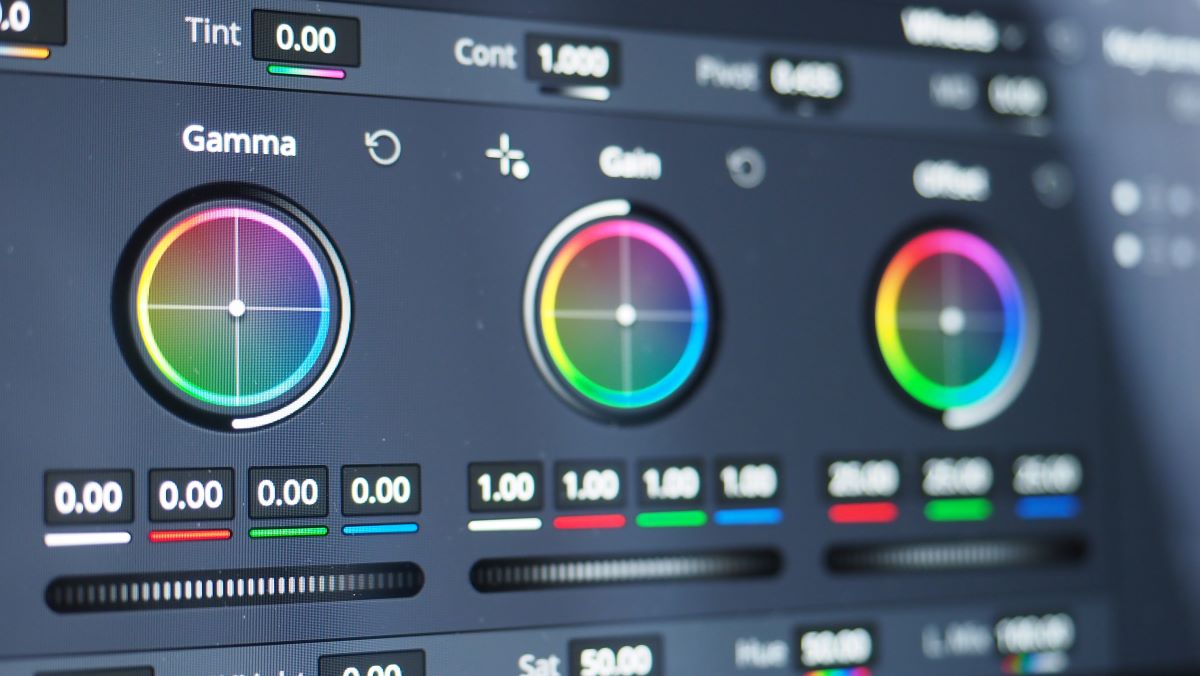
Color grading is where the film gains its visual identity. In the Post-Production Workflow, color correction ensures consistency across shots, while color grading creates mood and style.
This process includes
Balancing exposure and contrast
Matching shots across scenes
Applying cinematic color tones
Common tools
DaVinci Resolve
Adobe Premiere Pro Lumetri
Visual Effects and Motion Graphics
Some films require visual enhancements beyond raw footage. In the Post-Production Workflow, visual effects add elements such as explosions, screen replacements, or subtle enhancements.
Motion graphics are also added for titles, lower thirds, and credits.
Common tools
Adobe After Effects
Blender
Cinema 4D
Final Mixing and Mastering
Final mixing balances dialogue, music, and sound effects. In the Post-Production Workflow, mastering ensures audio levels meet industry standards for theaters, television, or streaming platforms.
This stage prepares the film for its intended distribution format.
Exporting and Delivery
The last stage of the Post-Production Workflow is exporting the final film. Multiple versions may be created for different platforms such as cinema, streaming services, and social media.
Delivery formats vary based on resolution, compression, and platform requirements.
Tools Commonly Used in the Post-Production Workflow
Below is a comparison of widely used post production tools.
| Workflow Stage | Popular Tools |
|---|---|
| Video Editing | Premiere Pro, Final Cut Pro, Avid |
| Sound Editing | Pro Tools, Audition, Logic Pro |
| Color Grading | DaVinci Resolve, Lumetri |
| Visual Effects | After Effects, Blender |
| Project Management | Frame.io, Trello |
These tools help streamline collaboration and maintain efficiency across the Post-Production Workflow.
How Streaming Platforms Have Influenced Post-Production Workflow
Streaming platforms have significantly impacted the Post-Production Workflow. Content is often produced faster, requiring efficient pipelines and strict deadlines.
Editors now optimize content for multiple screen sizes, HDR formats, and platform specific guidelines. Post production teams also rely heavily on cloud based collaboration.
This evolution has made workflow efficiency more important than ever.

Common Challenges in Post-Production Workflow
Despite careful planning, challenges still arise.
Common issues include
Poor footage organization
Audio quality problems
Missed deadlines
Creative disagreements
A clearly defined Post-Production Workflow minimizes these risks and ensures smoother execution.
Conclusion
The Post-Production Workflow is the foundation that turns filmed material into a complete cinematic experience. Every stage, from editing to final delivery, contributes to storytelling, emotional impact, and technical excellence.
Understanding and implementing a strong Post-Production Workflow allows filmmakers to maintain creative control, improve efficiency, and deliver high quality films across platforms.
As filmmaking continues to evolve, mastering post production processes remains essential for success in both independent and professional productions.
Frequently Asked Questions
What is the Post-Production Workflow in filmmaking?
The Post-Production Workflow is the structured process that takes place after filming ends. It includes editing, sound design, music scoring, color grading, visual effects, and final delivery. Each step works together to shape the final cinematic experience.
Why is a well defined Post-Production Workflow important?
A clear Post-Production Workflow helps filmmakers stay organized, reduce production delays, and maintain creative consistency. It also ensures that departments such as editing, sound, and color grading collaborate efficiently throughout the project.
How important is music in the Post-Production Workflow?
Music plays a vital role in the Post-Production Workflow by enhancing emotion, pacing, and storytelling. Film soundtracks guide audience feelings and support narrative moments. You can explore how music scoring enhances storytelling in more detail here:
https://filmfuse.com/music-scoring-in-films-how-soundtracks-enhance-storytelling/
Which tools are commonly used in the Post-Production Workflow?
Common tools used in the Post-Production Workflow include Adobe Premiere Pro and Avid Media Composer for editing, DaVinci Resolve for color grading, Pro Tools for sound design, and After Effects for visual effects.
How long does a typical Post-Production Workflow take?
The duration of a Post-Production Workflow depends on the project’s complexity. Short films may take a few weeks, while feature films and series can require several months of post production work.
Can beginners handle a Post-Production Workflow effectively?
Yes, beginners can manage a Post-Production Workflow by starting with simple tools, organizing footage properly, and learning each stage step by step. Many successful filmmakers began by mastering basic post production processes before advancing to complex workflows.
Where can I learn more about film editing and post production techniques?
For a broader understanding of film editing principles and post production concepts, this external resource offers a detailed overview:
https://en.wikipedia.org/wiki/Post-production
Leave a comment