
Framing and Composition are fundamental elements of visual storytelling in cinema. From the placement of characters within a frame to the way visual elements guide the viewer’s eye, framing and composition shape how audiences interpret emotion, tension, and meaning in every movie scene. Directors and cinematographers rely on these tools to control perspective, emphasize storytelling beats, and create memorable cinematic moments.
Understanding Framing and Composition allows filmmakers to communicate without dialogue, using visual structure to influence mood, pacing, and narrative clarity. In this article, we will explore how framing and composition shape movie scenes, why they matter, and how they are used across different genres and filmmaking styles.

What Is Framing and Composition in Film
Framing and Composition refer to how visual elements are arranged within the boundaries of the camera frame. Framing determines what the audience sees and what remains unseen, while composition organizes subjects, space, movement, and visual balance within that frame.
In filmmaking, framing and composition are deliberate choices that influence storytelling. A tightly framed close up can create intimacy or discomfort, while a wide composition can convey isolation, scale, or freedom.
Core Elements of Framing and Composition
| Element | Description |
|---|---|
| Frame boundaries | What is included or excluded from the shot |
| Subject placement | Positioning of characters or objects |
| Visual balance | Distribution of visual weight |
| Depth | Foreground, middle ground, and background |
| Camera perspective | Angle and distance from subject |
Why Framing and Composition Matter in Storytelling
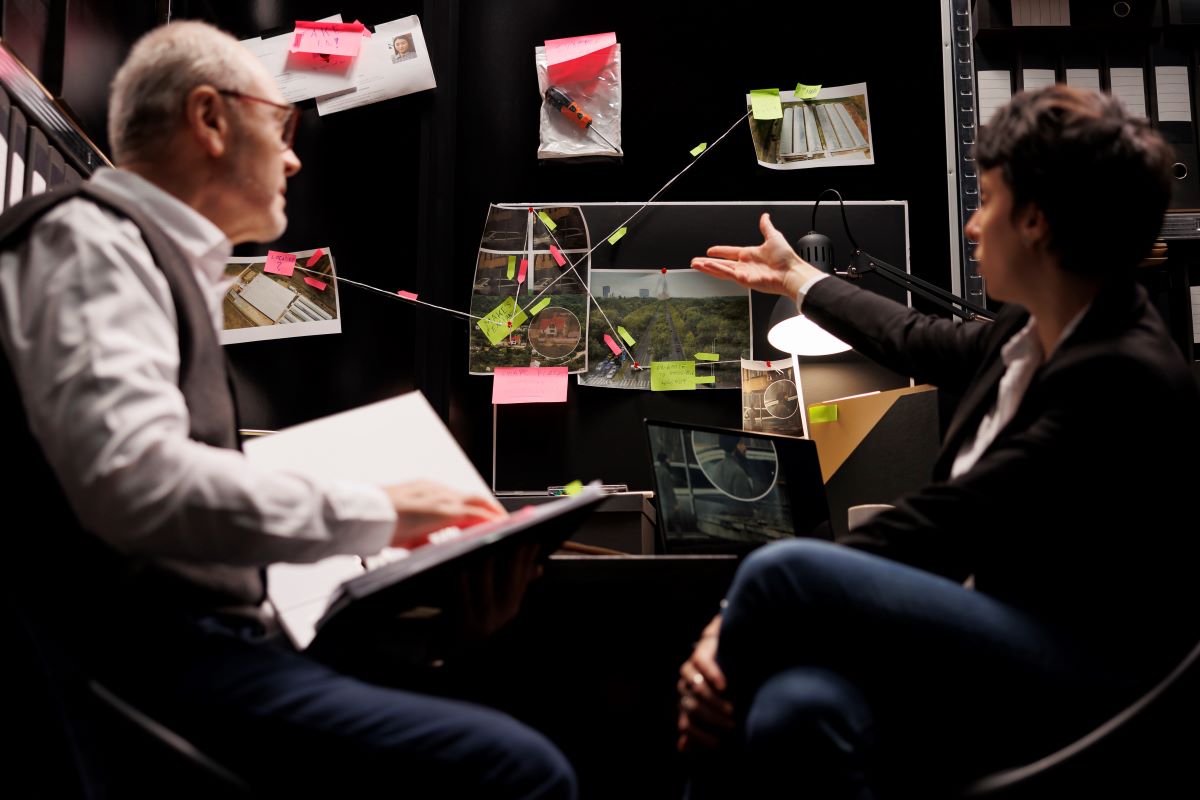
Framing and Composition are storytelling tools that guide audience attention and emotional response. Every decision about where the camera is placed or how a subject is framed contributes to how a scene is perceived.
A well composed scene can communicate power dynamics, emotional distance, vulnerability, or tension without a single line of dialogue. Poor framing, on the other hand, can confuse viewers or weaken narrative impact.
Storytelling Functions of Framing and Composition
-
Directing viewer focus toward important story elements
-
Establishing relationships between characters
-
Creating emotional connection or detachment
-
Reinforcing themes and symbolism
-
Controlling pacing and rhythm of a scene

Types of Framing Used in Movie Scenes
Different framing techniques serve different narrative purposes. Directors choose framing styles based on the emotional and thematic needs of a scene.
Common Framing Types in Film
| Framing Type | Purpose in Storytelling |
|---|---|
| Close up | Emphasizes emotion and detail |
| Medium shot | Balances character and environment |
| Wide shot | Establishes setting and scale |
| Extreme wide shot | Shows isolation or grandeur |
| Over the shoulder | Highlights interaction and perspective |
Each framing choice affects how viewers emotionally engage with the scene. Framing and Composition work together to make these choices visually coherent and narratively meaningful.
Composition Techniques That Shape Visual Meaning
Composition determines how elements interact within the frame. It helps create harmony, tension, or imbalance depending on the story’s needs.
Key Composition Techniques in Film
| Technique | Visual Effect |
|---|---|
| Rule of thirds | Creates balance and visual interest |
| Symmetry | Conveys order, control, or rigidity |
| Asymmetry | Creates tension or unease |
| Leading lines | Guides viewer attention |
| Framing within a frame | Adds depth and focus |
Framing and Composition together ensure that these techniques serve narrative intent rather than appearing random or decorative.
The Emotional Power of Framing and Composition
Emotion in film is not only conveyed through acting and dialogue. Framing and Composition play a crucial role in shaping how audiences feel during a scene.
A character framed alone in a wide shot may appear isolated or vulnerable. The same character framed tightly may feel trapped or emotionally overwhelmed. Composition reinforces these emotional cues by controlling space, proximity, and visual hierarchy.
Emotional Effects Created Through Composition
| Composition Choice | Emotional Impact |
|---|---|
| Tight framing | Intimacy or tension |
| Excess negative space | Loneliness or insignificance |
| Centered composition | Stability or control |
| Off center framing | Discomfort or imbalance |
Framing and Composition Across Film Genres
Different genres use Framing and Composition in unique ways to reinforce tone and expectations.
Genre Based Use of Framing and Composition
| Genre | Typical Composition Style |
|---|---|
| Drama | Intimate framing and subtle balance |
| Horror | Off center framing and tight spaces |
| Action | Dynamic framing with movement |
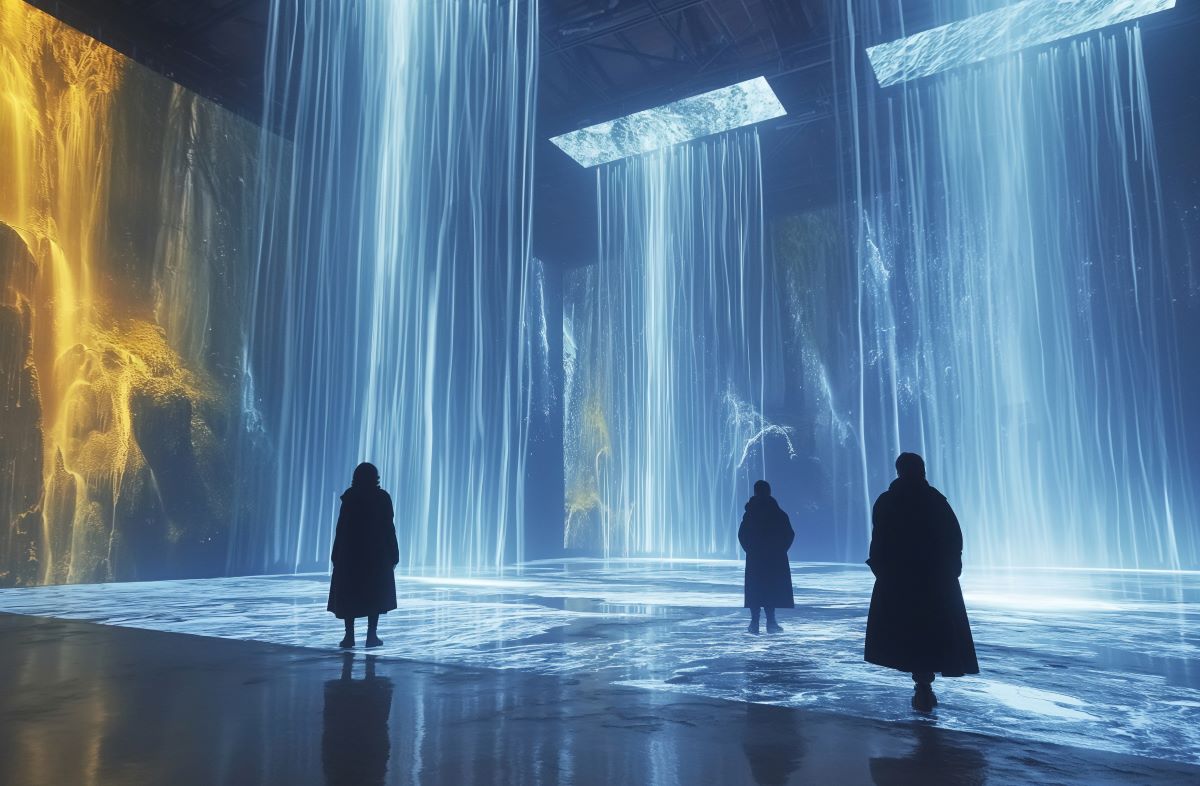
| Sci fi | Wide compositions emphasizing scale |
| Romance | Soft framing and balanced compositions |
These stylistic choices help audiences instantly understand the genre and emotional tone of a scene.
Camera Angles and Their Role in Framing and Composition
Camera angles are a critical extension of Framing and Composition. The angle at which a scene is captured directly influences how viewers perceive characters, power dynamics, and emotional tone.
A slight change in camera angle can completely alter the meaning of a scene. Low angles can make characters appear dominant or threatening, while high angles often convey vulnerability or weakness.
Common Camera Angles in Film Composition
| Camera Angle | Visual Meaning |
|---|---|
| Eye level | Neutral and realistic perspective |
| Low angle | Power, authority, intimidation |
| High angle | Vulnerability, fear, submission |
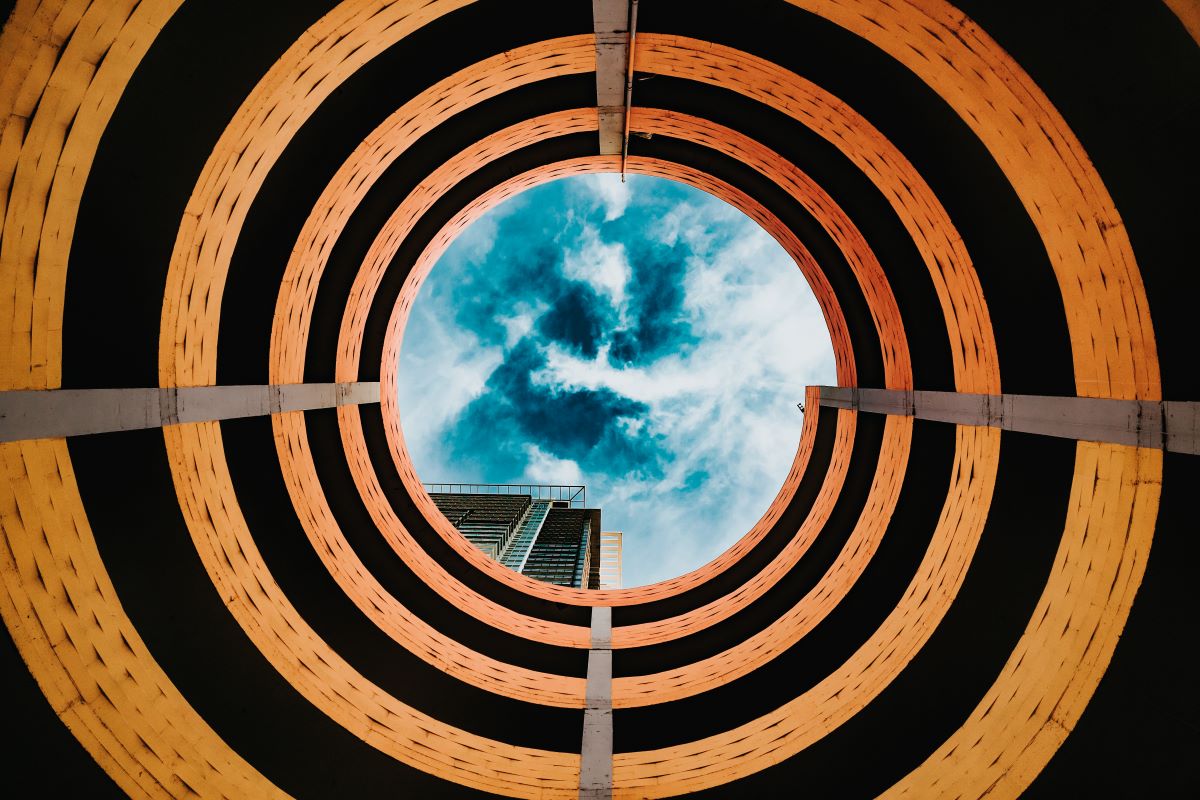
| Bird’s eye view | Detachment, fate, insignificance |
| Dutch angle | Disorientation, tension, chaos |
By combining camera angles with thoughtful Framing and Composition, filmmakers create visual subtext that reinforces the story without relying on dialogue.
Depth of Field and Spatial Storytelling
Depth of field is another essential tool in Framing and Composition. It controls how much of the image is in focus and guides the viewer’s attention within the frame.
Shallow depth of field isolates subjects and emphasizes emotion, while deep focus allows multiple elements to coexist within a scene, often adding narrative complexity.
Depth of Field Choices and Their Effects
| Depth Style | Storytelling Effect |
|---|---|
| Shallow focus | Emotional intimacy and isolation |
| Deep focus | Layered storytelling and realism |
| Selective focus | Directing attention within the frame |
| Soft focus | Dreamlike or romantic mood |
Depth works alongside framing to create a sense of space, hierarchy, and meaning in a movie scene.
Blocking and Movement Within the Frame
Blocking refers to how actors move and are positioned within a scene. Framing and Composition are incomplete without considering how characters interact with the space around them.
Effective blocking ensures that character movement enhances storytelling rather than distracting from it. Directors use blocking to establish relationships, conflict, and emotional shifts within a single shot.
Blocking Techniques Used in Film
| Blocking Style | Narrative Purpose |
|---|---|
| Static blocking | Stability or emotional stillness |
| Dynamic blocking | Conflict or tension |
| Foreground background interaction | Power shifts and relationships |
| Exit and entry movement | Emotional transitions |
Movement within the frame must align with composition to maintain visual clarity and storytelling intent.
Visual Symbolism Through Framing and Composition
Symbolism in film is often conveyed visually through Framing and Composition. Objects, architecture, and spatial relationships can represent themes and character psychology.
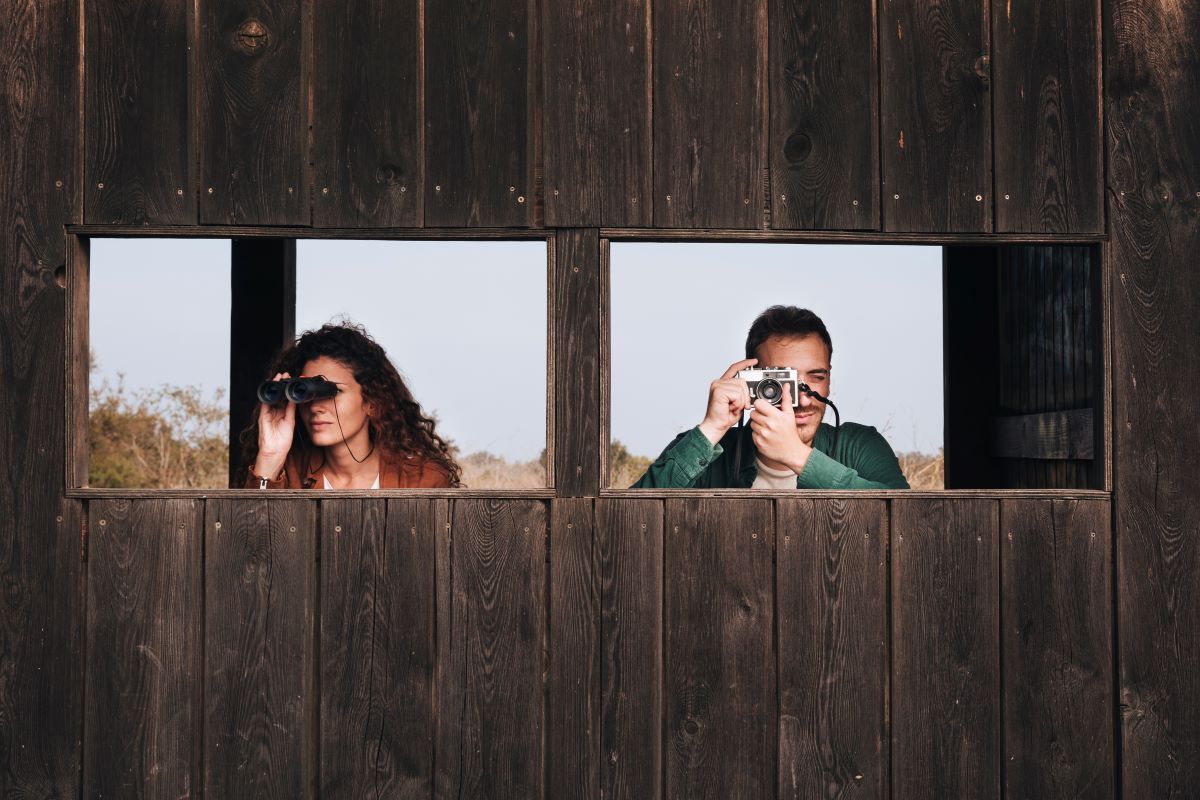
For example, characters framed behind bars, windows, or doorways may symbolize entrapment or emotional distance. Repeating compositions throughout a film can reinforce themes and character arcs.
Common Visual Symbols Created Through Composition
| Visual Element | Symbolic Meaning |
|---|---|
| Frames within frames | Confinement or observation |
| Reflections | Duality or identity conflict |
| Empty space | Loss or emotional absence |
| Obstructed views | Secrets or emotional barriers |
Symbolic composition adds depth and meaning to scenes without explicit explanation.
Balance and Visual Weight in Movie Scenes
Balance refers to how visual elements are distributed within the frame. Framing and Composition rely on balance to maintain viewer comfort or intentionally disrupt it.
Balanced compositions feel stable and harmonious, while unbalanced compositions can evoke anxiety, tension, or anticipation.
Types of Balance in Film Composition
| Balance Type | Effect on Viewer |
|---|---|
| Symmetrical balance | Order, control, formality |
| Asymmetrical balance | Natural movement and realism |
| Radial balance | Focus toward a central point |
| Intentional imbalance | Unease and emotional tension |
Directors use balance strategically to support the emotional goals of each scene.
Framing and Composition in Famous Films
Many iconic films are remembered for their masterful use of Framing and Composition. Directors such as Stanley Kubrick, Alfred Hitchcock, and Denis Villeneuve are known for their precise visual language.
Kubrick’s symmetrical framing creates psychological tension and control. Hitchcock used composition to manipulate suspense and audience focus. Villeneuve emphasizes scale and isolation through wide compositions.
Directors Known for Strong Visual Composition
| Director | Signature Style |
|---|---|
| Stanley Kubrick | Symmetry and central framing |
| Alfred Hitchcock | Suspense driven composition |
| Denis Villeneuve | Scale and atmospheric framing |
| Wes Anderson | Precise symmetry and color |
| Christopher Nolan | Layered visual storytelling |
Studying these filmmakers reveals how Framing and Composition elevate storytelling beyond dialogue and plot.
Framing and Composition in Dialogue Scenes
Dialogue scenes rely heavily on Framing and Composition to maintain visual interest while conveying emotional and narrative information. Without careful composition, dialogue heavy scenes can feel static or dull.
Directors use framing to emphasize reactions, power dynamics, and emotional shifts between characters. Shot size, camera placement, and spatial relationships all contribute to how dialogue is perceived.
Common Dialogue Framing Techniques
| Technique | Narrative Purpose |
|---|---|
| Shot reverse shot | Shows interaction and perspective |
| Over the shoulder framing | Establishes connection and tension |
| Two shot composition | Highlights relationship dynamics |
| Close ups during dialogue | Emphasizes emotional beats |
| Framing characters at different depths | Shows power imbalance |
By adjusting Framing and Composition, a simple conversation can become emotionally compelling and visually dynamic.
How Framing and Composition Affect Pacing and Rhythm
Pacing in film is not controlled only through editing. Framing and Composition play a significant role in how fast or slow a scene feels.
Wide compositions allow the viewer to explore the frame, slowing perception. Tight framing restricts information, creating urgency and tension. The rhythm of a film is shaped by how visual information is revealed within each frame.
Composition and Pacing Relationship
| Composition Choice | Perceived Pace |
|---|---|
| Wide static frames | Slow and contemplative |
| Tight close ups | Intense and fast |
| Balanced compositions | Steady and controlled |
| Rapid reframing | Heightened urgency |
When used intentionally, Framing and Composition enhance pacing without relying on excessive cuts.
Practical Framing and Composition Tips for Filmmakers
Understanding theory is important, but applying Framing and Composition effectively requires practice and intention.
Practical Guidelines
-
Decide the emotional goal of the scene before choosing framing
-
Use composition to guide the viewer’s eye naturally
-
Avoid unnecessary visual clutter within the frame
-
Maintain consistency in visual language throughout the film
-
Let framing evolve as characters change emotionally
Beginner Friendly Composition Checklist
| Question | Purpose |
|---|---|
| What should the viewer notice first | Focus control |
| Does the frame support the emotion | Emotional clarity |
| Is negative space intentional | Visual balance |
| Are characters framed consistently | Story continuity |
Applying these principles strengthens storytelling and improves visual clarity.
Framing and Composition in Modern Cinema
Modern filmmakers continue to evolve Framing and Composition through new technologies and storytelling approaches. Digital cameras, virtual production, and advanced lenses offer greater flexibility while maintaining classical composition principles.
Despite technological advancements, the fundamentals remain unchanged. Strong framing and thoughtful composition still define memorable movie scenes.
Streaming platforms have also influenced composition, with filmmakers considering multiple screen sizes while preserving visual storytelling impact.
Common Framing and Composition Mistakes to Avoid
Even experienced filmmakers can weaken a scene through poor composition choices.
Frequent Mistakes
| Mistake | Impact |
|---|---|
| Overcrowded frames | Visual confusion |
| Inconsistent framing | Breaks immersion |
| Ignoring background elements | Distracting visuals |
| Center framing without purpose | Lack of visual interest |
| Overusing close ups | Emotional fatigue |
Avoiding these mistakes helps maintain strong Framing and Composition throughout a film.
Conclusion: Why Framing and Composition Define Cinematic Language
Framing and Composition are the silent language of cinema. They shape how stories are told, how emotions are felt, and how audiences connect with characters. Every decision about what to show, how to show it, and where to place the camera influences the viewer’s experience.
From intimate close ups to expansive wide shots, framing and composition guide perception, establish mood, and reinforce narrative meaning. They allow filmmakers to communicate complex ideas visually, often without dialogue or exposition.
Great films are remembered not only for their stories but for how those stories are visually expressed. Mastering Framing and Composition empowers filmmakers to transform simple moments into powerful cinematic experiences. Whether used subtly or boldly, these tools remain essential to visual storytelling in every era of filmmaking.
What is Framing and Composition in film
Framing and Composition refer to how visual elements are arranged within a movie frame to guide viewer attention, convey emotion, and support cinematic storytelling.
Why is Framing and Composition important in movies
Framing and Composition are important because they shape how audiences interpret characters, mood, and narrative meaning, often communicating ideas without relying on dialogue.
How does framing affect emotion in a movie scene
Tight framing can create intimacy, tension, or discomfort, while wide framing can convey isolation, freedom, or scale. Framing and Composition directly influence the emotional response of the viewer.
What are common composition techniques used in film
Common composition techniques include the rule of thirds, symmetry, leading lines, framing within a frame, and the intentional use of negative space to guide visual focus.
How can beginners improve Framing and Composition skills
Beginners can improve Framing and Composition by studying film stills, analyzing famous scenes, practicing shot planning, and experimenting with different camera placements during filming.
How does modern technology affect Framing and Composition
Modern filmmaking tools such as virtual production and AI assisted planning influence how scenes are designed and framed. To understand how technology is shaping filmmaking decisions, including visual planning, see this detailed guide on AI in film production:
https://filmfuse.com/ai-in-film-production-use-cases-tools-and-ethical-concerns/
Where can I learn more about cinematic composition techniques
For deeper insights into cinematic composition, visual storytelling, and professional filmmaking techniques, you can explore this authoritative external resource:
https://www.masterclass.com/articles/filmmaking-101-how-to-frame-a-shot
Leave a comment