

What is AI for Filmmakers?
AI for filmmakers refers to the use of artificial intelligence technologies to assist in various stages of filmmaking. In pre-production, AI can analyze scripts, suggest camera angles, generate shot lists, and even create detailed storyboards automatically. In essence, AI acts as a virtual assistant, helping filmmakers plan complex scenes efficiently and creatively.
Key Benefits of AI for Filmmakers
| Benefit | Description | Example |
|---|---|---|
| Time Efficiency | Automates storyboard creation and scene planning | AI generates a 30-scene storyboard in minutes instead of hours |
| Cost Reduction | Minimizes the need for expensive test shoots | Virtual scene previews reduce on-set mistakes |
| Enhanced Creativity | Suggests innovative camera angles, lighting setups, and scene compositions | AI can recommend unconventional but visually compelling shots |
| Collaboration | Allows remote teams to visualize scenes and share feedback instantly | Teams can edit AI-generated storyboards collaboratively online |
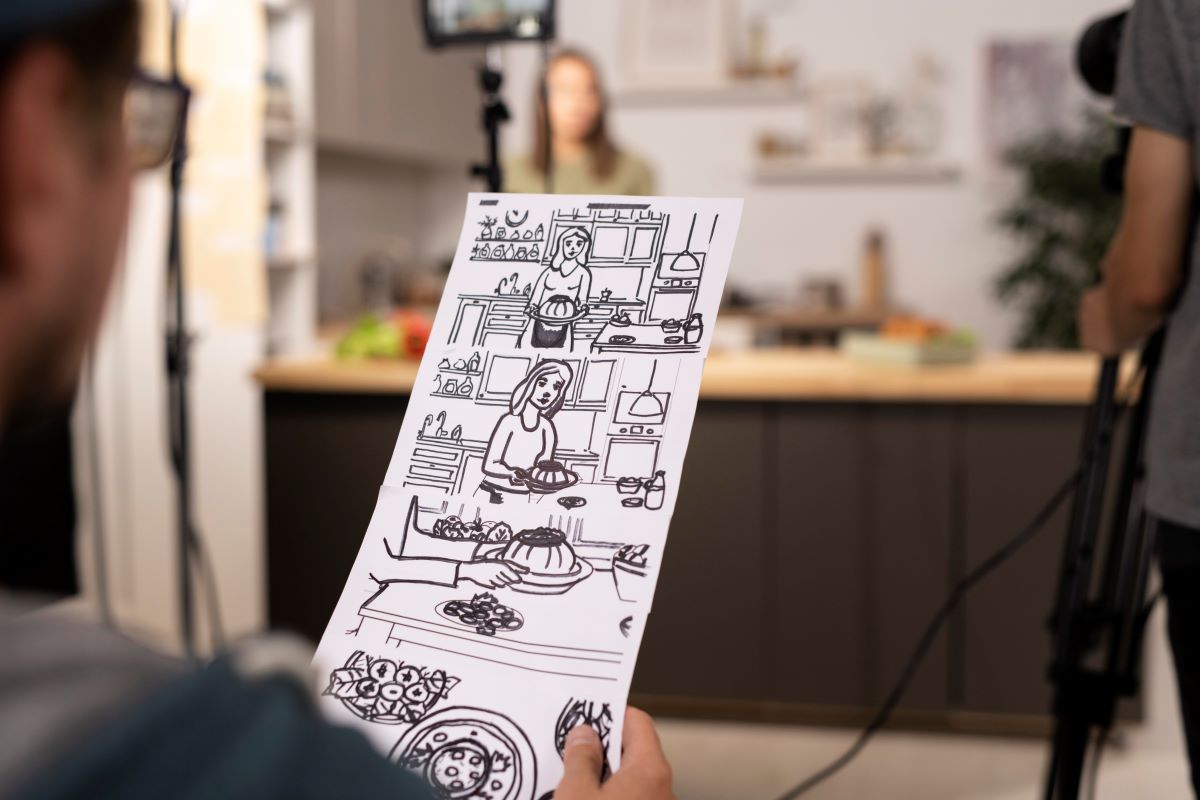
How AI Helps Plan Scenes
Planning scenes is one of the most critical aspects of filmmaking. Traditionally, directors and cinematographers would spend hours visualizing shots, discussing angles, and sketching storyboards manually. AI for filmmakers now automates much of this process.
Script Analysis
AI tools can analyze your screenplay to:
-
Identify key plot points
-
Detect character movements and interactions
-
Suggest optimal shot types (wide, close-up, tracking)
For example, if a script mentions a dramatic confrontation in a hallway, AI can recommend a combination of long shots and close-ups to enhance tension.
Shot Recommendations
AI can suggest camera angles, lens types, and lighting setups based on the scene description. Some advanced tools even generate 3D visualizations of the set so filmmakers can preview how the scene will look before shooting.

Storyboard Generation
Creating storyboards is often time-consuming. AI for filmmakers can now generate storyboard panels automatically from:
-
Written scripts
-
Concept art or reference images
-
Previous scene patterns
This technology allows filmmakers to quickly iterate on ideas, adjust scenes, and experiment with visual storytelling without drawing every frame manually.
Collaboration and Feedback
AI tools enable real-time collaboration among remote teams. Directors, editors, and cinematographers can:
-
Comment directly on AI-generated storyboards
-
Suggest changes to camera angles or lighting
-
Visualize updates instantly
This reduces miscommunication and streamlines the pre-production workflow, especially for global productions.
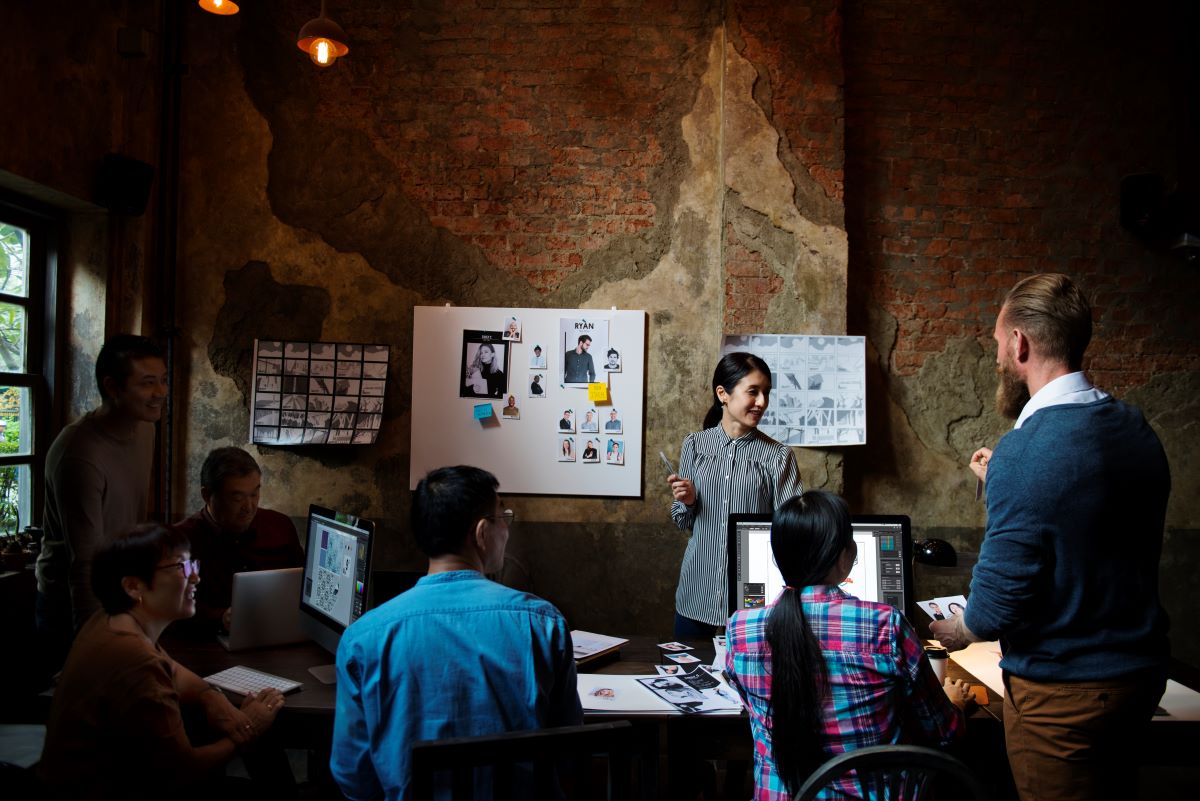
AI has evolved beyond simple automation tools and is now an essential part of modern filmmaking. In this section, we’ll explore the top AI tools for filmmakers, practical case studies, and best practices for integrating AI into scene planning and storyboarding.
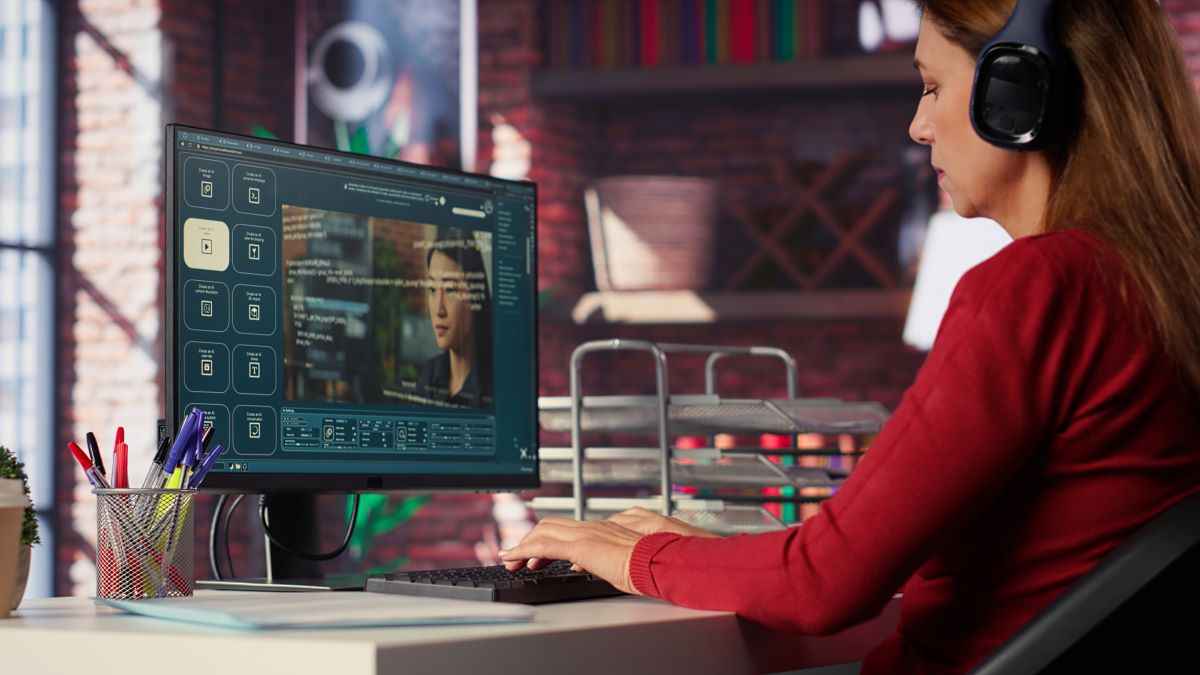
Top AI Tools for Filmmakers in 2026
Several AI-powered platforms are revolutionizing pre-production by helping filmmakers plan scenes and storyboards efficiently. Here’s a comparison of the most popular tools:
| AI Tool | Key Features | Ideal For | Price Range |
|---|---|---|---|
| Runway ML | AI-generated storyboards, script analysis, scene simulations | Independent filmmakers, studios | Subscription-based $15–$50/month |
| Shotdeck AI | Scene inspiration from film database, automatic shot recommendations | Storyboard artists, directors | Free & Paid options |
| Storyboarder AI | Automatic storyboard generation, export to animatics | Pre-visualization, short films | Free & open-source |
| Cinelytic AI | Script breakdown, scheduling, predictive analytics | Feature films, large productions | Custom enterprise pricing |
| Artbreeder + AI | Concept art generation, character visualization | Concept artists, indie filmmakers | Free with paid upgrades |
Case Studies: AI in Action
1. Indie Filmmaker Uses AI for Pre-Production
A 2026 indie short film used Storyboarder AI to generate storyboards directly from the script. The director reported:
-
60% reduction in time spent on manual storyboard drawing
-
Ability to experiment with multiple camera angles without reshooting
-
Easier collaboration with a remote cinematographer team
2. Studio Film Uses AI for Scene Planning
A major studio integrated Runway ML and Cinelytic AI in a sci-fi feature. Benefits included:
-
Predicting the most visually appealing shots based on script analysis
-
Optimizing production schedules to reduce shooting days
-
Providing real-time feedback on lighting setups and visual effects
These case studies demonstrate how AI for filmmakers is not just a novelty but a practical solution for improving efficiency, creativity, and collaboration.
Best Practices for Using AI in Storyboarding
AI is a powerful tool, but filmmakers need strategies to maximize its benefits without losing the creative touch:
-
Start with a Clear Script – AI works best with well-defined actions, locations, and character cues.
-
Use AI for Iteration, Not Final Decisions – Let AI suggest angles and layouts but rely on human creativity for storytelling.
-
Collaborate in Real-Time – Share AI-generated storyboards with your team for immediate feedback and adjustments.
-
Integrate with Existing Tools – Combine AI storyboards with traditional sketches or concept art for richer visuals.
-
Stay Updated – AI technologies evolve rapidly; keep learning about new features, tools, and integrations.
How AI Improves Creative Freedom
Some filmmakers worry that AI might limit creativity, but in reality, AI expands possibilities:
-
Suggests unconventional camera angles that may not have been considered
-
Automates repetitive tasks, allowing directors to focus on storytelling
-
Visualizes complex scenes digitally before committing to expensive setupsHow AI Improves Creative Freedom
Faqs
Q1: What is AI for filmmakers?
AI for filmmakers refers to artificial intelligence tools used in filmmaking, especially in pre-production, to plan scenes, generate storyboards, suggest camera angles, and visualize shots digitally.
Q2: How does AI help with storyboarding?
AI can automatically generate storyboard panels from a script or concept art, suggest camera angles, and create 3D scene previews. For a complete guide on the filmmaking workflow, see The Complete Filmmaking Process Explained from Idea to Final Cut.
Q3: What are the best AI tools for filmmakers in 2026?
Some of the top tools include Runway ML, Storyboarder AI, Shotdeck AI, Cinelytic AI, and Artbreeder. These platforms provide storyboard generation, scene planning, and predictive analytics.
Q4: Can AI replace human creativity in filmmaking?
No, AI is designed to enhance creativity by automating repetitive tasks and offering suggestions. Filmmakers still make final decisions on storytelling, composition, and emotional tone. Learn more about AI’s impact on the creative process in Forbes’ article on AI in media.
Q5: Where can I learn more about AI in filmmaking?
You can explore reputable resources like Filmmaker Magazine for tutorials, case studies, and updates on AI-driven filmmaking tools.
Leave a comment