
Introduction
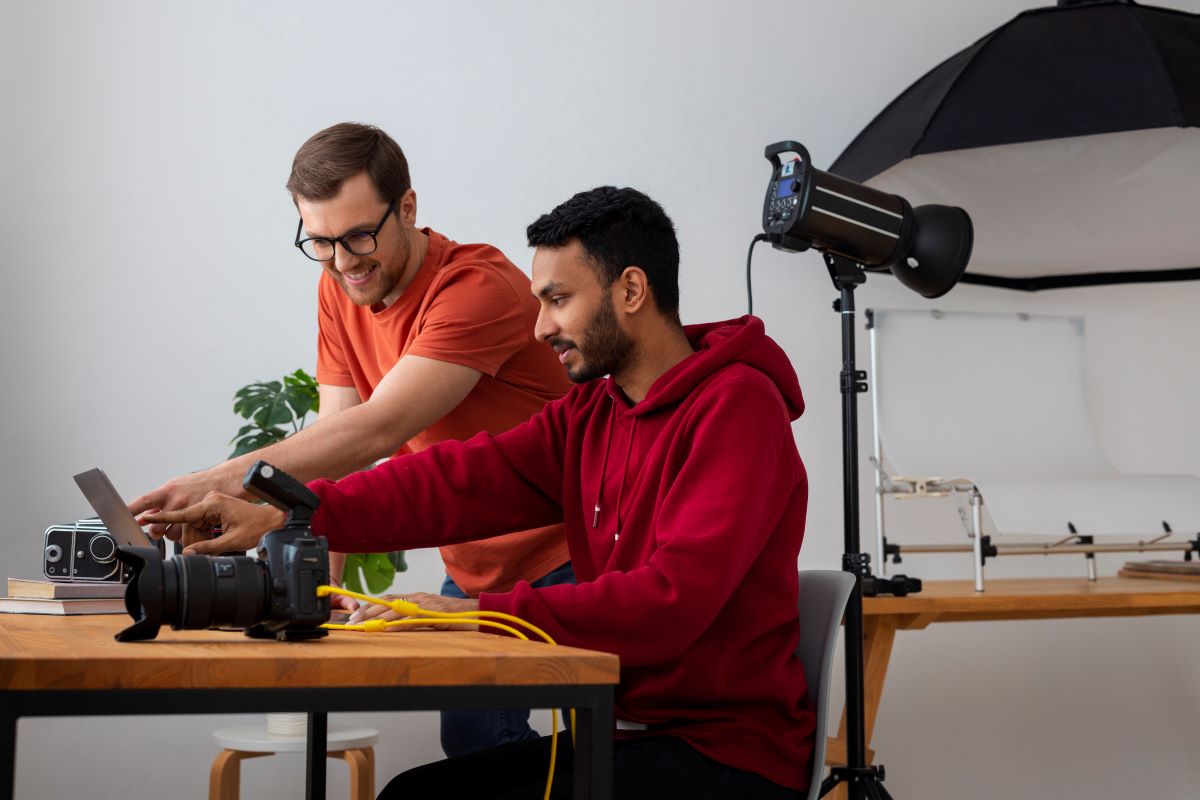
Independent filmmaking is all about passion, creativity, and resourcefulness. But behind every successful indie film lies one essential ingredient — seamless collaboration.
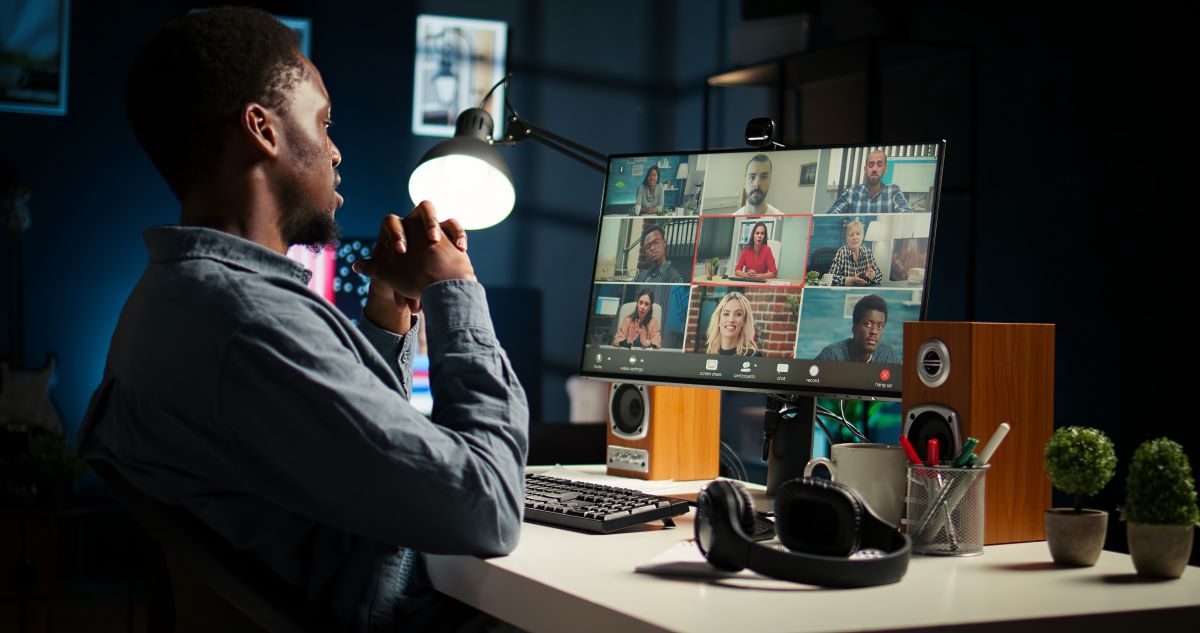
Learning how to Collaborate on Indie projects effectively can make the difference between a chaotic shoot and a masterpiece that moves audiences. In today’s connected world, collaboration has evolved beyond shared studio spaces — it now thrives in digital environments where artists, directors, editors, and producers work together from anywhere in the world.
This guide explores practical strategies, tools, and workflow tips to help indie filmmakers Collaborate on Indie projects efficiently, without compromising creativity or budget.
1. The Essence of Indie Collaboration
Indie filmmaking thrives on creative freedom and community spirit. Since budgets are often tight, filmmakers must rely on smart teamwork and transparent communication rather than expensive production setups.
When you Collaborate on Indie productions, you’re not just sharing tasks — you’re blending unique visions into one cohesive story.
The key lies in aligning your creative goals with the right collaborators and tools. From concept development to post-production, collaboration ensures that everyone stays on the same page, even if they’re miles apart.
2. Why Collaboration Matters in Indie Filmmaking
| Benefit | How It Helps Indie Filmmakers |
|---|---|
| Budget Efficiency | Shared resources and tools minimize costs. |
| Creative Diversity | Different perspectives add depth to storytelling. |
| Skill Sharing | Collaborators bring complementary expertise — from sound design to VFX. |
| Faster Production | Distributed tasks streamline workflow and reduce delays. |
| Stronger Networking | Collaborating builds long-term creative partnerships for future projects. |
In short, to Collaborate on Indie productions effectively is to multiply creativity while cutting unnecessary costs.
3. Finding the Right Collaborators for Your Indie Film
The first step in effective collaboration is finding the right people.
A. Networking Platforms
-
Stage 32 and Mandy Network are hubs where filmmakers, writers, and editors connect globally.
-
Facebook Groups and Reddit Communities for indie filmmakers are excellent for discovering like-minded creators.
-
LinkedIn can help find professionals who specialize in specific areas such as cinematography or post-production.
B. Local Film Communities
Attend workshops, local screenings, or independent film festivals to meet potential collaborators. Building in-person relationships strengthens trust and creative synergy.
C. Online Portfolios
Encourage team members to share previous work samples. Platforms like Vimeo, Behance, or personal websites showcase credibility and artistic style.
4. The Best Tools to Collaborate on Indie Projects
Modern filmmaking depends heavily on digital collaboration tools that simplify remote teamwork.
Here are some of the best tools indie filmmakers can use to Collaborate on Indie productions smoothly:
| Tool | Purpose | Key Features |
|---|---|---|
| Frame.io | Video review and feedback | Timestamped comments, cloud-based storage, Adobe integration |
| Notion | Project organization | Shared pages, production notes, task lists |
| StudioBinder | Production management | Scheduling, call sheets, crew collaboration |
| Slack | Communication | Channel-based messaging, file sharing, notifications |
| Google Drive | File storage and backup | Real-time sharing, large file uploads, collaborative editing |
These tools remove physical barriers, allowing you to collaborate with your team anywhere in the world.
5. Streamlining the Indie Film Workflow
When you Collaborate on Indie projects, organization is everything. A chaotic workflow can waste time and drain energy. Here’s how to keep things structured:
A. Pre-Production
-
Create a shared workspace with detailed shot lists, storyboards, and script drafts.
-
Assign clear responsibilities — one person for lighting, another for location scouting, etc.
B. Production
-
Use shared call sheets and digital checklists via tools like StudioBinder.
-
Keep communication consistent with daily updates through Slack or WhatsApp groups.
C. Post-Production
-
Upload footage to Frame.io or Google Drive for quick review and feedback.
-
Conduct remote editing sessions using DaVinci Resolve or Adobe Premiere’s cloud collaboration.
6. Common Challenges and How to Overcome Them
Even with the right tools, collaboration can present challenges — especially in indie projects where resources are limited.
| Challenge | Solution |
|---|---|
| Miscommunication | Use a single communication platform (like Slack or Discord) to centralize updates. |
| Time Zone Differences | Plan meetings around overlapping hours and use shared calendars. |
| Creative Conflicts | Encourage open discussions and feedback loops to find balance between ideas. |
| Limited Budgets | Utilize free or low-cost collaboration tools instead of premium software. |
| File Management | Adopt cloud-based systems for secure and organized asset storage. |
When handled strategically, these challenges become opportunities for better coordination and innovation.
7. Case Study: A Successful Indie Film Collaboration
In 2023, a small indie production called The Midnight Reel was made by a team of five creators across three continents.
-
Challenge: Limited budget and no physical studio.
-
Solution: The team used Notion for project planning, Frame.io for feedback, and Slack for communication.
-
Result: They completed the entire film remotely in under three months — and the film went on to win awards at two independent film festivals.
This proves that when you Collaborate on Indie projects effectively, even a small team can achieve professional-grade results.
8. Tips to Collaborate on Indie Projects With Ease
-
Define Roles Clearly: Avoid confusion by setting clear expectations for every team member.
-
Set Milestones: Break your project into smaller goals to maintain progress visibility.
-
Embrace Transparency: Regular updates help identify issues early and maintain trust.
-
Use Visual Boards: Platforms like Trello make it easier to track production stages visually.
-
Celebrate Progress: Recognize small wins — it boosts team morale and motivation.
9. Future of Indie Collaboration
The future of indie filmmaking is digital, connected, and highly collaborative. Emerging technologies like AI-powered editing, virtual production tools, and real-time rendering are making it easier to Collaborate on Indie films across borders.
Directors and producers can now visualize shots, test lighting, or review performances instantly — even when they’re not on set. The result is a faster, more flexible, and more inclusive indie film ecosystem.
Conclusion
To Collaborate on Indie films successfully, it’s not just about technology — it’s about people, trust, and creativity.
By combining digital tools with human connection, indie filmmakers can achieve results once reserved for big studios.
The art of collaboration is at the heart of every great indie film. When filmmakers unite under a shared vision, their stories transcend boundaries — and the results speak louder than any budget could.
FAQs About How to Collaborate on Indie Film Projects
Q1. What’s the easiest way to Collaborate on Indie film projects remotely?
Use cloud-based tools like Frame.io, Notion, and Google Drive for real-time sharing and feedback.
For a detailed look at these tools, check out Film Making Tools and Collaboration Platforms You Should Try.
Q2. How can I avoid communication issues during collaboration?
Establish one main communication channel and regular check-ins to keep everyone aligned.
Explore more workflow insights in Combining Blog and Collaboration for Filmmakers: A Smart Strategy.
Q3. Can indie film collaborations lead to professional opportunities?
Absolutely. Many independent collaborations evolve into larger studio partnerships or recurring creative teams.
Learn how SEO and online networking amplify film visibility in SEO for Film Collaboration Platforms: Complete Guide.
Q4. How can I find a trustworthy team to Collaborate on Indie films with?
Start by joining online film communities, local filmmaker networks, or indie production groups on social media. Look for collaborators who share your passion and have a portfolio that reflects commitment and reliability.
Q5. What skills are essential for someone looking to Collaborate on Indie productions?
Strong communication, adaptability, and a collaborative mindset are key. Technical skills like basic editing, cinematography, or scriptwriting also help you contribute more meaningfully to small film teams.
Q6. How do I manage creative differences when I Collaborate on Indie projects?
The best way is to establish open communication from the start. Discuss creative direction, assign clear roles, and be willing to compromise for the greater good of the project’s vision.
Q7. What’s the best workflow to follow when I Collaborate on Indie films remotely?
Start with shared planning tools during pre-production, hold video meetings for updates, use cloud storage for file exchange, and review edits collaboratively using dedicated feedback platforms.
Q8. How can I protect my project files and ideas when collaborating online?
Always use secure, encrypted platforms with permission-based access. Keep backups of all files in multiple locations and ensure that collaborators have limited access based on their roles.
Q9. How long does it usually take to complete an indie film when collaborating remotely?
It depends on scope and team size, but most small indie projects can be completed within three to six months if collaboration is well-structured and consistent.
Q10. Can I Collaborate on Indie projects without formal film school training?
Absolutely. Indie filmmaking is open to anyone with creativity and dedication. Many successful indie creators are self-taught and build experience through online collaborations and short projects.
Q11. What communication habits make collaboration smoother?
Regular updates, transparency about progress or challenges, and maintaining a respectful tone during creative disagreements help keep collaboration smooth and productive.
Q12. How do I balance creativity with deadlines when I Collaborate on Indie projects?
Plan ahead and divide work into clear milestones. Use deadlines as motivation rather than pressure, and maintain flexibility for creative adjustments without disrupting the schedule.
Q13. Should every collaborator be involved in every stage of the film?
Not necessarily. It’s more efficient to involve each team member based on their expertise — for example, writers during script development and editors during post-production.
Q14. How can I stay motivated during long indie film collaborations?
Celebrate small wins, share progress regularly with your team, and remind yourself of the shared goal — creating a story worth telling. Keeping morale high leads to better creative results.
Q15. Are online collaborations as effective as in-person teamwork?
Yes — with the right tools and discipline, online collaboration can be just as effective. Many indie films today are produced remotely with seamless coordination and outstanding results.
Leave a comment